

Immediately After
Some soreness at the lead or needle site for a few days is completely normal. Activity restrictions will be provided based on your specific procedure.
Conditions
Overview
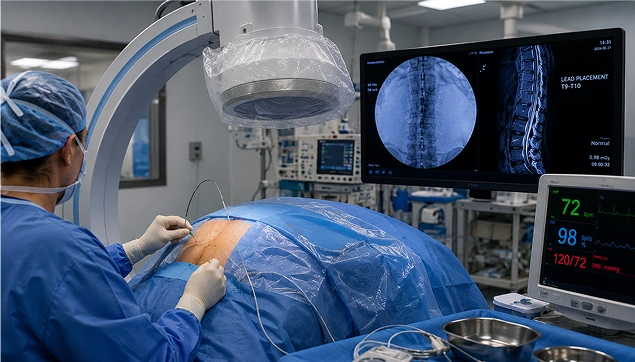
Neuromodulation therapy works by changing the way the nervous system processes pain, giving you meaningful relief when other treatments have fallen short.
About

Electrical stimulation or targeted drug delivery is applied directly to the relevant nerve or spinal cord region
The nerve's pain signalling activity is altered, dampened, or redirected
The brain receives fewer or no pain signals from the affected area
Surrounding healthy tissue and nerves remain unaffected
Significant reduction in pain for appropriately selected patients
A minimally invasive approach with well-established clinical use
Treatments that can be trialled before any permanent device is considered
A rapidly advancing field used by specialist pain centres worldwide
Eligibility
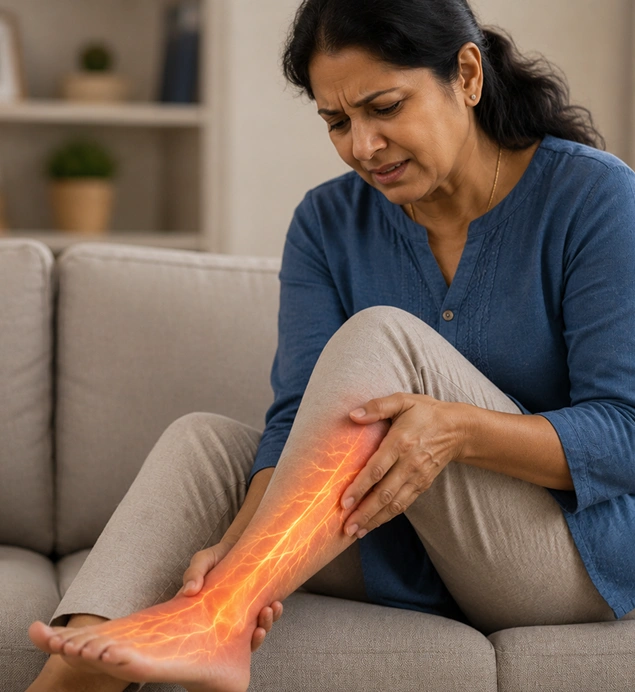
You may be a candidate for neuromodulation for pain if you have been living with persistent pain that has not responded adequately to medication, physiotherapy, or other treatments.
A thorough clinical evaluation is always required to confirm whether neuromodulation is the right option for you.
If you have experienced any of these, a consultation with Painacea is the right place to start.
Procedure
A detailed clinical assessment and diagnostic nerve blocks help confirm whether neuromodulation is the right approach and which nerves are involved.
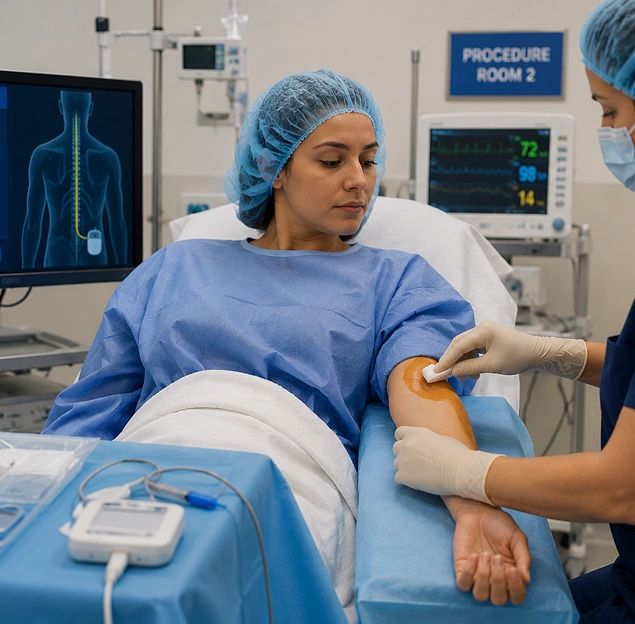
Before any permanent implant is considered, a temporary trial is conducted to assess how well your pain responds to neuromodulation therapy.
The treatment area is numbed with local anaesthesia. Light sedation is available to keep you comfortable throughout.
Using live X-ray guidance, a thin electrode lead is carefully positioned near the target nerve or spinal cord region.
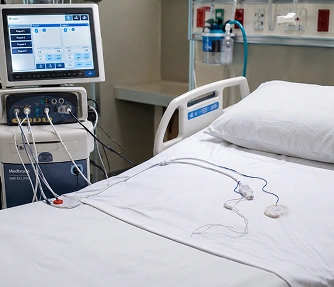
Electrical signals are delivered to the target area, modulating nerve activity and interrupting the pain pathway.
Most patients are monitored briefly and discharged the same day, with clear guidance on the next steps.
Recovery
Why Choose Us
Persistent pain does not always need the same treatment. At Painacea, we first identify the likely source and mechanism of pain, then help you choose the appropriate next step.
Symptoms, examination, function and imaging are correlated before recommending treatment.
The pathway may include medical care, rehabilitation, a targeted MIPSI, surgical evaluation or a coordinated combination.
Image-guided interventions, radiofrequency procedures, neuromodulation and selected minimally invasive spine treatments are considered only when clinically appropriate.
If another specialist or surgery is the appropriate next step, we recommend it rather than delaying necessary treatment.
FAQs
Neuromodulation therapy involves delivering targeted electrical stimulation or pharmacological agents directly to specific nerves to alter pain signalling. It is used when pain has not responded to conventional treatments and offers a minimally invasive alternative to surgery
Sacral neuromodulation targets the sacral nerves at the base of the spine and is used to treat pelvic pain, bladder dysfunction, and certain forms of chronic lower back and pelvic floor pain that have not responded to other management
Neuromodulation procedures are minimally invasive and performed under local anaesthesia with light sedation. While some involve the placement of a small implanted device, they do not involve the tissue damage, muscle cutting, or prolonged recovery associated with open surgery.
This depends on the type of neuromodulation used and your individual response. Implanted devices can provide relief for years and can be adjusted or removed if needed. A trial phase is always conducted first to confirm the benefit before any permanent decision is made.
When performed by a trained specialist, neuromodulation has a well-established safety profile. The ability to trial the treatment before committing to a permanent device makes it one of the more reversible options in pain management.
A consultation can help determine appropriate next steps based on your condition.
125, B wing, First floor, Shrikant Chambers, Next to RK Studios, Chembur, Mumbai, Maharashtra 400071


