

Conditions

Trigeminal Neuralgia

Specialist-Led Pain Evaluation and Care

Overview

Specialist-Led Pain Evaluation and Care

Precision in diagnosis. Clarity in treatment.

Trigeminal neuralgia is one of the most severe pain conditions known in medicine. The episodes are sudden, electric shock-like, and can be triggered by the most ordinary activities such as eating, speaking, or a light touch to the face.

At Painacea, trigeminal neuralgia treatment is built around identifying the exact source of nerve pain and treating it with targeted, minimally invasive solutions designed for long-term control, not temporary relief.

Painacea is defined by:

  • Precision-led, minimally invasive approach
  • Specialist diagnosis, not symptom-based treatment
  • Focus on long-term control and functional recovery
Book a Specialist Consultation

About

What Is Trigeminal Neuralgia?

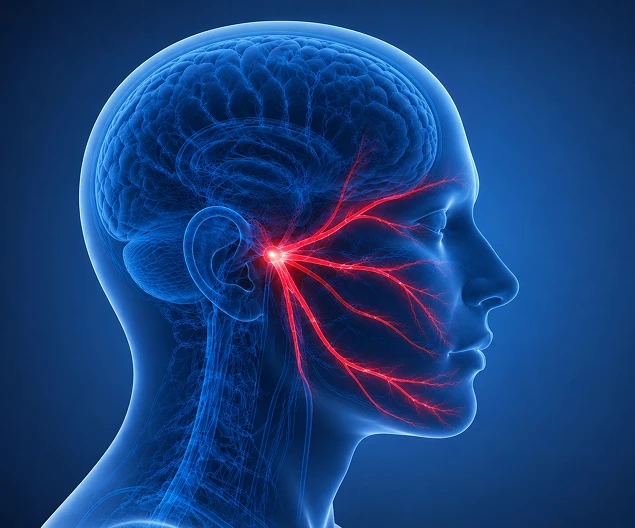
Trigeminal neuralgia is a chronic pain condition affecting the trigeminal nerve, which carries sensation from the face to the brain. When this nerve is compressed, damaged, or irritated, it produces sudden and intense episodes of facial pain that are often described as electric shocks or stabbing sensations lasting from a few seconds to several minutes.
What Is Trigeminal Neuralgia?

Most cases of trigeminal neuralgia involve:

  • Compression of the trigeminal nerve, most often by a nearby blood vessel

  • Damage to the myelin sheath surrounding the nerve

  • Nerve changes associated with multiple sclerosis

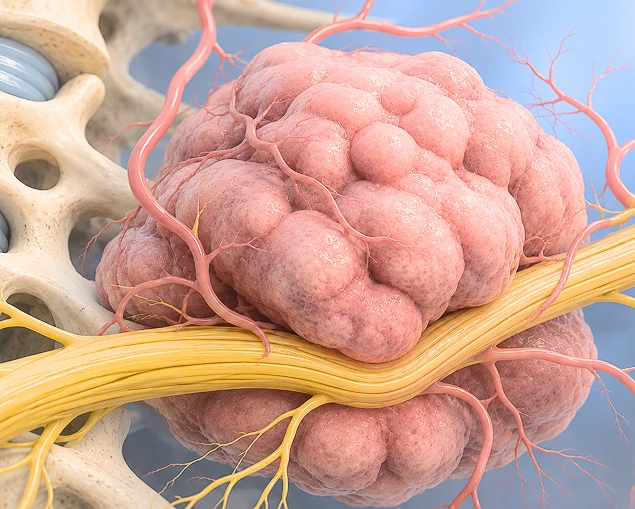
  • Pressure from a tumour or cyst in rare cases

  • Idiopathic causes where no structural abnormality is identified

The pattern often tells you more than the intensity:

  • Sudden, electric shock-like pain on one side of the face: characteristic of a classic migraine attack

  • Constant burning or aching alongside sharp episodes: seen in atypical or mixed presentations

  • Pain triggered by touch, chewing, or speaking: points directly to trigeminal nerve involvement

  • Pain in the cheek, jaw, teeth, gums, or lips: reflects the specific branch of the nerve affected

Causes

What Are the Causes of Trigeminal Neuralgia?

Trigeminal neuralgia causes are most commonly structural, though neurological and secondary factors can also be responsible. When the underlying cause goes unaddressed, episodes tend to become more frequent and longer over time.

Common causes and triggers include:

  • Blood vessel compression pressing against the trigeminal nerve root, the most frequent cause
  • Demyelination of the trigeminal nerve associated with multiple sclerosis
  • Tumours or abnormal growths exerting pressure on the nerve
  • Arteriovenous malformations near the nerve
  • Previous facial trauma or surgical injury to the nerve
  • Age-related changes in nerve and vascular structure
  • In some cases, no identifiable structural cause is found
What Are the Causes of Trigeminal Neuralgia?
What Are the Symptoms of Trigeminal Neuralgia?

Symptoms

What Are the Symptoms of Trigeminal Neuralgia?

Trigeminal neuralgia symptoms are distinct and recognisable once the pattern is understood. Identifying that pattern is the first step towards accurate diagnosis and effective treatment.

Common symptoms include:

  • Sudden, severe, electric shock-like or stabbing facial pain lasting seconds to a few minutes
  • Pain confined to one side of the face, typically along the cheek, jaw, teeth, gums, or lips
  • Episodes triggered by everyday activities such as eating, drinking, brushing teeth, or talking
  • Brief pain-free intervals between attacks that may shorten over time
  • In some cases, a constant dull ache or burning sensation between acute episodes
  • Avoidance of eating, speaking, or facial contact due to fear of triggering an attack

Pain that is consistently triggered by light touch or routine facial movements and does not respond to standard pain relief warrants specialist evaluation.

Treatment

What Are the Treatment Options for Trigeminal Neuralgia?

Treatment at Painacea is guided by cause, not symptoms. The approach is non-surgical first, with interventions selected based on what is actually driving the nerve pain.

Medication and Conservative Management

For initial and ongoing pain control:

  • Anticonvulsant medications such as carbamazepine, the established first-line treatment
  • Adjunct agents including gabapentin, oxcarbazepine, and baclofen for cases where first-line medication is insufficient or poorly tolerated
  • Medication review and optimisation for patients who have not responded adequately to prior treatment

Precision-Guided Interventions

For cases where medication alone does not provide adequate relief:

  • Image-guided nerve blocks for diagnostic confirmation and short-term pain control
  • Radiofrequency ablation targeting the trigeminal nerve for longer-lasting relief with a minimally invasive approach
  • Cryoablation in select cases where targeted nerve interruption is appropriate
  • Glycerol rhizolysis and balloon microcompression as percutaneous options for eligible patients

Surgical Options

For cases that do not respond to medication or minimally invasive procedures:

  • Microvascular decompression, which relieves the blood vessel compressing the trigeminal nerve, offers the highest long-term success rate for classical trigeminal neuralgia
  • Surgery is recommended only after thorough imaging, specialist assessment, and failure of conservative options
  • Procedure-specific costs and expected outcomes are discussed in full during the consultation

Long-Term Pain Control

Across all presentations and severities, the goal is:

  • Reducing the frequency and intensity of pain episodes
  • Minimising long-term dependence on medication
  • Giving patients clarity on what is driving their pain and what the most appropriate treatment pathway looks like

Medication and Conservative Management

For initial and ongoing pain control:

  • Anticonvulsant medications such as carbamazepine, the established first-line treatment
  • Adjunct agents including gabapentin, oxcarbazepine, and baclofen for cases where first-line medication is insufficient or poorly tolerated
  • Medication review and optimisation for patients who have not responded adequately to prior treatment

Precision-Guided Interventions

For cases where medication alone does not provide adequate relief:

  • Image-guided nerve blocks for diagnostic confirmation and short-term pain control
  • Radiofrequency ablation targeting the trigeminal nerve for longer-lasting relief with a minimally invasive approach
  • Cryoablation in select cases where targeted nerve interruption is appropriate
  • Glycerol rhizolysis and balloon microcompression as percutaneous options for eligible patients

Surgical Options

For cases that do not respond to medication or minimally invasive procedures:

  • Microvascular decompression, which relieves the blood vessel compressing the trigeminal nerve, offers the highest long-term success rate for classical trigeminal neuralgia
  • Surgery is recommended only after thorough imaging, specialist assessment, and failure of conservative options
  • Procedure-specific costs and expected outcomes are discussed in full during the consultation

Long-Term Pain Control

Across all presentations and severities, the goal is:

  • Reducing the frequency and intensity of pain episodes
  • Minimising long-term dependence on medication
  • Giving patients clarity on what is driving their pain and what the most appropriate treatment pathway looks like
Painacea

Why Choose Us

Why Choose Painacea?

Care is centred on identifying the source of pain and delivering targeted, effective solutions.

  • list icon

    17+ years of experience in pain medicine and anesthesiology

  • list icon

    Specialist in minimally invasive, image-guided interventions

  • list icon

    Strong focus on precise diagnosis before treatment

  • list icon

    Expertise in managing complex spine, nerve, and pain conditions

  • list icon

    International training across USA, Europe, and South Korea

  • list icon

    Academic leadership as Professor and Fellowship Mentor

Book a Specialist Consultation

FAQs

Frequently Asked Questions

A chronic neurological condition causing sudden, severe, electric shock-like facial pain on one side of the face, triggered by everyday activities such as eating or light touch. It is considered one of the most painful conditions in medicine.

The most common cause is blood vessel compression of the trigeminal nerve near the brain stem. Other causes include multiple sclerosis, tumours, and nerve injury. In some cases no structural cause is found.

Treatment begins with anticonvulsant medication. When medication is insufficient, nerve blocks, radiofrequency ablation, and other minimally invasive procedures are considered. Surgery, particularly microvascular decompression, is an option for suitable candidates.

No. Many patients achieve adequate relief through medication or minimally invasive procedures. Surgery is considered when other treatments have failed or imaging confirms a structural cause unlikely to respond to non-surgical options.

Through clinical history, neurological assessment, and imaging. A specialist evaluation is essential as the condition is frequently confused with dental or jaw pain in the early stages.

Contact

Considering Further Evaluation for Persistent Pain?

A consultation can help determine appropriate next steps based on your condition.

hello@painacea.in +91 94192 00497

First Floor, Shrikant Chambers - c, 125, B Wing, next to RK Studios, Chembur, Mumbai - 400071

    Get a Precise Diagnosis