Conditions

Patellofemoral Pain Syndrome

Specialist-Led Pain Evaluation and Care

Overview

Specialist-Led Pain Evaluation and Care

Precision in diagnosis. Clarity in treatment.

Patellofemoral pain syndrome is one of the most common causes of kneecap pain, frequently dismissed as runner’s knee, yet driven by specific structural and biomechanical factors that worsen without targeted intervention.

At Painacea, patellofemoral pain syndrome care is built around identifying the exact source of knee pain and treating it with targeted, minimally invasive solutions designed for long-term control, not temporary relief.

Painacea is defined by:

  • Precision-led, minimally invasive approach
  • Specialist diagnosis, not symptom-based treatment
  • Focus on long-term control and functional recovery
Book a Specialist Consultation

About

What Is Patellofemoral Pain Syndrome?

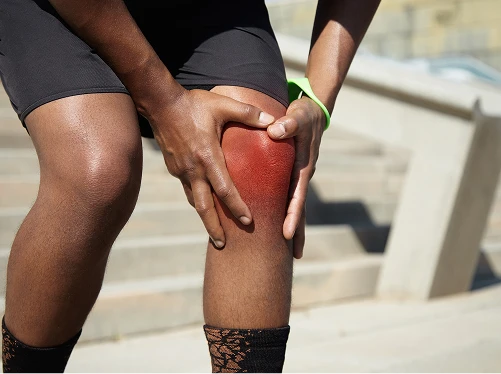
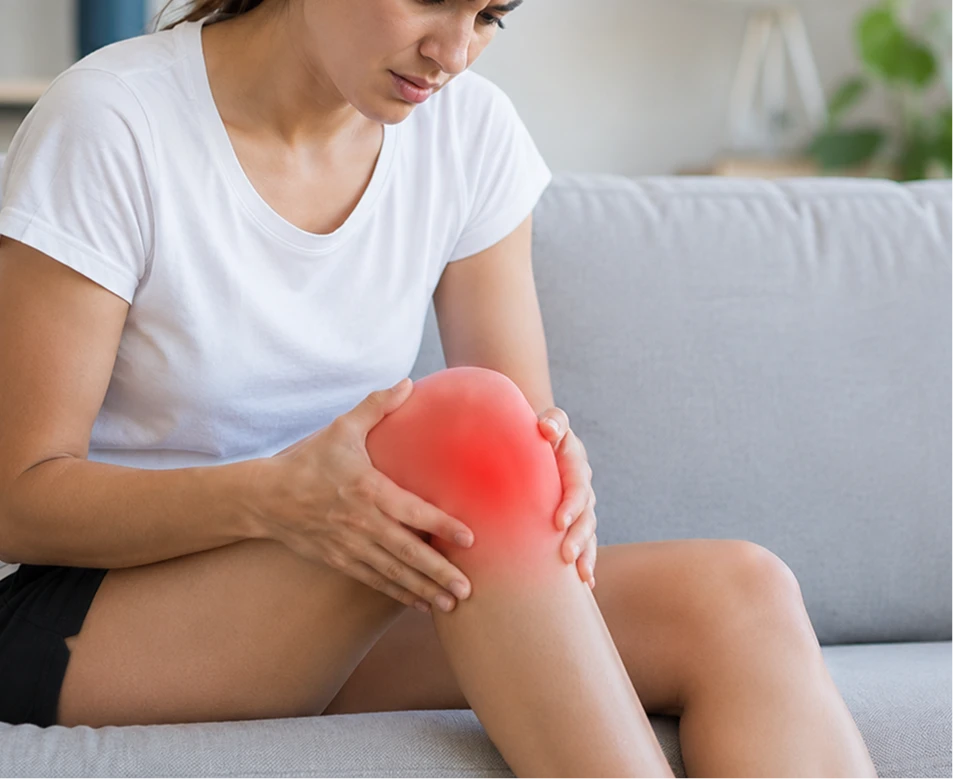
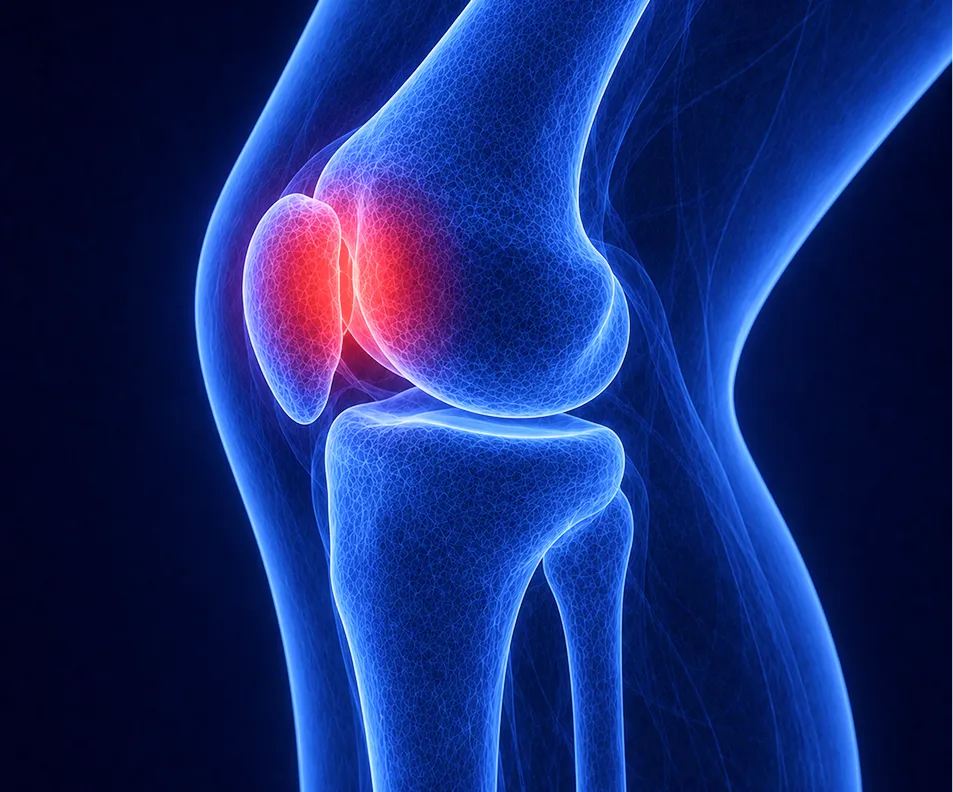
Patellofemoral pain syndrome, commonly referred to as runner's knee, is a condition characterised by pain at the front of the knee around and behind the patella bone, where it articulates with the femur.
What Is Patellofemoral Pain Syndrome?

Key characteristics include:

  • Pain at the front of the knee around or behind the kneecap

  • Aggravated by activities that load the patellofemoral joint such as running, squatting, and stair climbing

  • Associated with chondromalacia patella, the softening and breakdown of cartilage on the underside of the patella

  • Can progress to patellofemoral osteoarthritis if left unmanaged

  • Affects both active individuals and those with sedentary lifestyles

  • Bilateral presentation is possible, though one knee is more commonly affected

Causes

What Are The Causes of Patellofemoral Pain Syndrome?

Patellofemoral pain syndrome causes are typically mechanical, biomechanical, or structural in nature. When the underlying cause goes unaddressed, symptoms tend to worsen progressively over time.

Common causes and risk factors include:

  • Abnormal patellar tracking due to muscle imbalance or patellofemoral ligament dysfunction
  • Weakness in the quadriceps, particularly the vastus medialis oblique muscle
  • Hip abductor and external rotator weakness altering knee alignment
  • Overuse from repetitive high-impact activities such as running or cycling
  • Sudden increase in training volume or intensity
  • Poor foot biomechanics including overpronation
  • Structural factors such as a shallow trochlear groove or high-riding patella
  • Previous knee injury or surgery altering joint mechanics
  • Excess body weight increasing patellofemoral joint load
What Are The Causes of Patellofemoral Pain Syndrome?
What Are The Symptoms of Patellofemoral Pain Syndrome?

Symptoms

What Are The Symptoms of Patellofemoral Pain Syndrome?

Runner’s knee symptoms vary depending on the degree of cartilage involvement and the duration of the condition. Recognising the pattern is the first step toward accurate diagnosis.

Common symptoms include:

  • Dull, aching pain at the front of the knee around or behind the kneecap
  • Pain that worsens with prolonged sitting, known as the theatre sign
  • Increased pain when walking downstairs or downhill
  • Kneecap pain during squatting, running, or jumping
  • A grinding, clicking, or catching sensation around the patella
  • Swelling around the front of the knee in more advanced cases
  • Pain that eases with rest but returns promptly with activity
  • Stiffness after prolonged inactivity
  • In advanced cases, symptoms consistent with chondromalacia patella including persistent aching at rest

Pain that consistently worsens with loading and is located in the groin or front of the hip following a change in activity level requires prompt specialist assessment.

Treatment

What Are The Treatment Options for Patellofemoral Pain Syndrome?

Treatment at Painacea is guided by the underlying biomechanical and structural cause, not symptoms alone. The approach is non-surgical first, with interventions selected based on what is driving patellar dysfunction.

Precision-Guided Interventions

For pain and inflammation within the patellofemoral joint, targeted options include:

  • Image-guided corticosteroid injections
  • Radiofrequency ablation for chronic kneecap pain
  • Cryoablation for targeted disruption of pain-transmitting nerves

Pain Management

For patients with chondromalacia patella or early patellofemoral osteoarthritis where cartilage preservation is a priority:

  • Platelet-rich plasma therapy to support cartilage repair and reduce joint inflammation
  • Hyaluronic acid injections to restore joint lubrication and reduce mechanical friction
  • Biologic treatments targeting cartilage degeneration rather than pain signals alone

Physiotherapy and Movement Correction

For patellofemoral pain syndrome treatment, this targets the biomechanical contributors driving abnormal patellar tracking:

  • Quadriceps strengthening with emphasis on vastus medialis oblique activation
  • Hip abductor and external rotator rehabilitation
  • Gait retraining, foot orthotic support, and activity modification

Long-Term Pain Control

Across all presentations of patellofemoral pain syndrome, the goal is predictable, sustained relief by:

  • Reducing recurrence through biomechanical correction and strengthening
  • Minimising dependence on pain medication and anti-inflammatories
  • Gait retraining, foot orthotic support, and activity modification

Precision-Guided Interventions

For pain and inflammation within the patellofemoral joint, targeted options include:

  • Image-guided corticosteroid injections
  • Radiofrequency ablation for chronic kneecap pain
  • Cryoablation for targeted disruption of pain-transmitting nerves

Pain Management

For patients with chondromalacia patella or early patellofemoral osteoarthritis where cartilage preservation is a priority:

  • Platelet-rich plasma therapy to support cartilage repair and reduce joint inflammation
  • Hyaluronic acid injections to restore joint lubrication and reduce mechanical friction
  • Biologic treatments targeting cartilage degeneration rather than pain signals alone

Physiotherapy and Movement Correction

For patellofemoral pain syndrome treatment, this targets the biomechanical contributors driving abnormal patellar tracking:

  • Quadriceps strengthening with emphasis on vastus medialis oblique activation
  • Hip abductor and external rotator rehabilitation
  • Gait retraining, foot orthotic support, and activity modification

Long-Term Pain Control

Across all presentations of patellofemoral pain syndrome, the goal is predictable, sustained relief by:

  • Reducing recurrence through biomechanical correction and strengthening
  • Minimising dependence on pain medication and anti-inflammatories
  • Gait retraining, foot orthotic support, and activity modification
Painacea

Why Choose Us

Why Choose Painacea?

Care is centred on identifying the source of pain and delivering targeted, effective solutions.

  • list icon

    17+ years of experience in pain medicine and anesthesiology

  • list icon

    Specialist in minimally invasive, image-guided interventions

  • list icon

    Strong focus on precise diagnosis before treatment

  • list icon

    Expertise in managing complex spine, nerve, and pain conditions

  • list icon

    International training across USA, Europe, and South Korea

  • list icon

    Academic leadership as Professor and Fellowship Mentor

Book a Specialist Consultation

FAQs

Frequently Asked Questions

Quadriceps and hip strengthening, activity modification, and guided injections or regenerative therapies. Advanced cases may require specialist pain procedures.

Abnormal patellar tracking from muscle imbalance, overuse, poor foot biomechanics, or structural factors such as a shallow trochlear groove.

Yes, in most cases with appropriate treatment. Without intervention, symptoms tend to persist and cartilage deterioration can progress.

  • What to avoid with patellofemoral syndrome?
  • Deep squatting and lunging
  • Running on hard surfaces
  • Stair climbing during flare-ups
  • Sudden increases in training load

Gentle flat surface walking is well tolerated. Avoid inclines and prolonged walks during acute flare-ups. Tolerance improves as strength and patellar tracking are corrected.

Contact

Considering Further Evaluation for Persistent Pain?

A consultation can help determine appropriate next steps based on your condition.

hello@painacea.in +91 94192 00497

First Floor, Shrikant Chambers - c, 125, B Wing, next to RK Studios, Chembur, Mumbai - 400071

    Get a Precise Diagnosis