
Conditions

Meniscus Injury

Specialist-Led Pain Evaluation and Care

Overview

Specialist-Led Pain Evaluation and Care

Precision in diagnosis. Clarity in treatment.

A meniscus injury is one of the most common causes of knee pain and dysfunction, yet accurate diagnosis of the type and extent of damage is essential before any treatment decision is made.

At Painacea, meniscus injury care is built around identifying the exact nature of cartilage damage and treating it with targeted, minimally invasive solutions designed for full functional recovery.

Painacea is defined by:

  • Precision-led, minimally invasive approach
  • Specialist diagnosis, not symptom-based treatment
  • Focus on long-term control and functional recovery
Book a Specialist Consultation

About

What Is a Meniscus Injury?

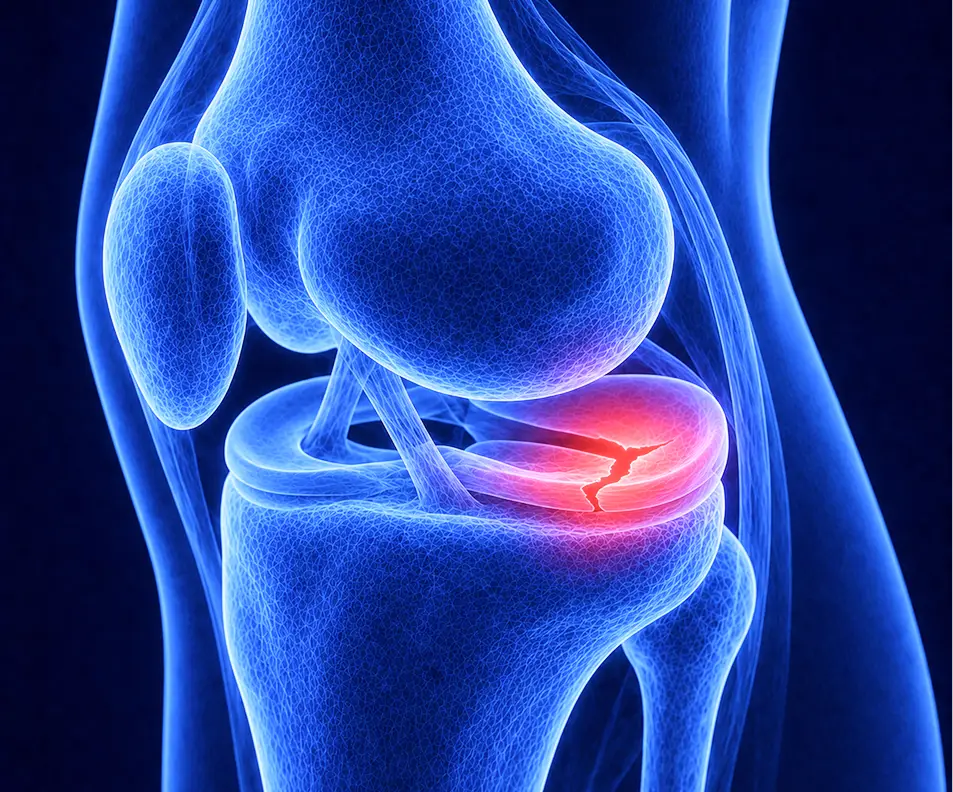
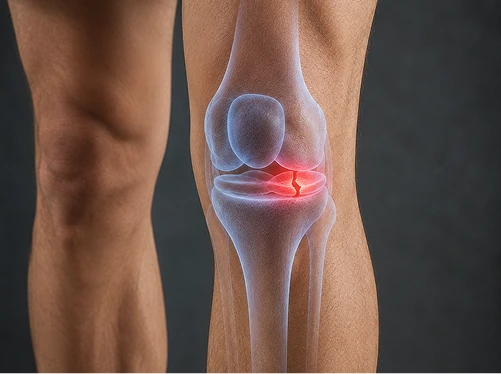
The menisci are two C-shaped cartilage structures, the medial and lateral meniscus, sitting between the femur and tibia within the knee joint. They act as shock absorbers, distribute load across the joint, and provide stability during movement.
What Is a Meniscus Injury?

Key characteristics include:

  • Meniscus injuries are among the most frequently occurring knee injuries in both active and sedentary individuals

  • Types of meniscus injuries include radial tears, horizontal tears, bucket handle tears, flap tears, and degenerative tears

  • Injuries are classified as acute, from sudden trauma, or degenerative, from age-related cartilage breakdown

  • The medial meniscus is more commonly injured than the lateral

  • Meniscus injuries frequently occur alongside ACL or MCL ligament damage

  • Without appropriate treatment, progressive cartilage loss and early onset knee osteoarthritis can develop

Causes

What Are The Causes of Meniscus Injury?

Meniscus injuries develop from either acute mechanical stress or cumulative degeneration.

Common causes include:

  • Sudden twisting or rotating of the knee with the foot planted
  • Deep squatting or heavy lifting placing excessive compressive load on the joint
  • Direct impact to the knee during contact sport
  • Awkward landing from a jump
  • Rapid deceleration and change of direction during physical activity
  • Age-related degenerative thinning and weakening of meniscal cartilage
  • Repetitive kneeling or squatting occupationally over time
  • Obesity increasing chronic compressive load on the knee joint
  • Previous knee injury altering joint mechanics and load distribution
  • Muscle weakness reducing the protective function around the knee
What Are The Causes of Meniscus Injury?
What Are The Symptoms of Meniscus Injury?

Symptoms

What Are The Symptoms of Meniscus Injury?

Knee meniscus injury symptoms vary depending on the type, location, and severity of the tear. Recognising the pattern is the first step toward accurate diagnosis.

Common symptoms include:

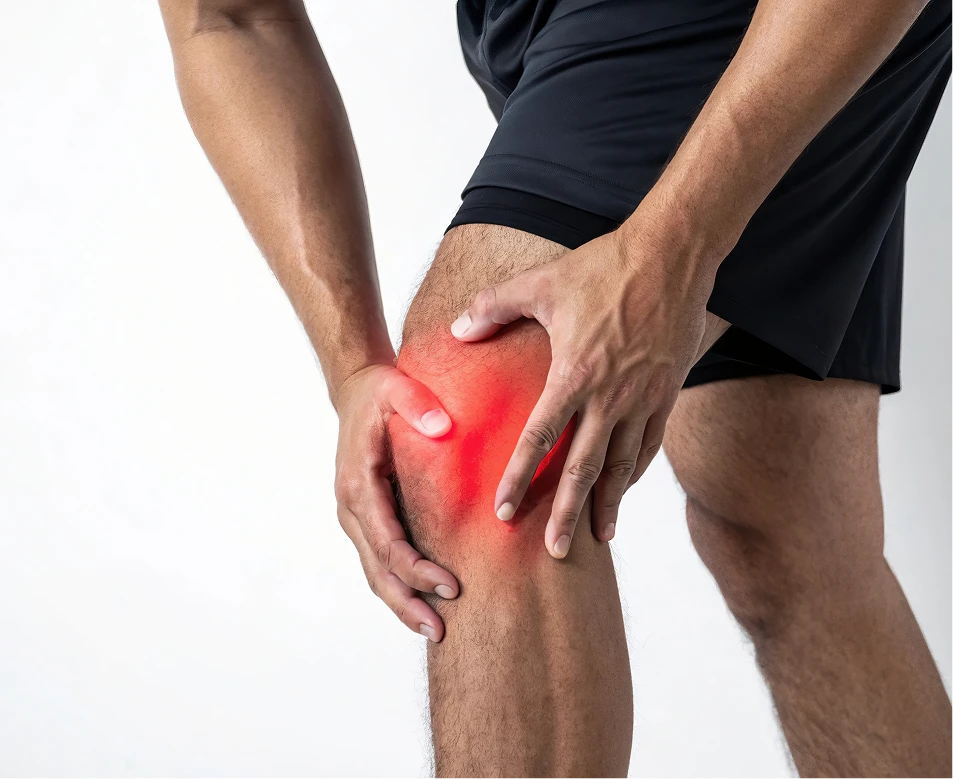
  • Pain along the joint line on the inner or outer side of the knee
  • Swelling that develops gradually over twenty-four to forty-eight hours following injury
  • Stiffness and restricted range of knee movement
  • A clicking, locking, or catching sensation within the knee joint
  • Inability to fully straighten or bend the knee
  • Feeling of the knee giving way under load
  • Pain that worsens with twisting, squatting, or pivoting movements
  • Tenderness on direct pressure over the meniscus
  • In degenerative tears, gradual onset of persistent knee aching without a specific injury event

Signs of meniscus injury that include locking or significant instability indicate structural displacement requiring urgent specialist assessment.

Treatment

What Are The Treatment Options for Meniscus Injury?

Treatment at Painacea is guided by the type of meniscus injury, the patient's age, activity level, and the presence of associated joint damage. The approach prioritises the least invasive intervention that restores full knee function.

Precision-Guided Interventions

For pain and inflammation management in acute and chronic knee meniscus injury:

  • Image-guided corticosteroid injections to reduce joint inflammation and provide targeted relief
  • Radiofrequency ablation for chronic knee pain persisting after meniscus injury where nerve modulation is clinically appropriate
  • Cryoablation for targeted disruption of pain-transmitting nerves around the knee in refractory pain presentations
Regenerative Therapies

For partial meniscus tears and degenerative injuries where biological repair and cartilage preservation are the priority:

  • Platelet-rich plasma therapy to support meniscal tissue healing and reduce joint inflammation
  • Biologic treatments targeting cartilage degeneration and tissue repair rather than symptom management alone
  • Particularly effective in degenerative meniscus tears in conjunction with structured rehabilitation

Meniscus Injury Surgery and Minimally Invasive Procedures

For bucket handle tears, displaced fragments, or cases where conservative management has not restored adequate function:

  • Arthroscopic meniscus repair or meniscectomy performed with minimally invasive technique to reduce tissue disruption
  • Preserving as much meniscal tissue as possible to protect long-term joint health
  • Post-surgical pain management using image-guided techniques to optimise meniscus knee injury recovery time

Physiotherapy and Rehabilitation

Structured rehabilitation is essential at every stage of knee meniscus injury treatment:

  • Progressive quadriceps and hamstring strengthening to restore knee stability and reduce meniscal load
  • Proprioceptive retraining to recover joint position sense and prevent re-injury
  • Activity modification and return-to-function protocols tailored to injury type and recovery milestones

Precision-Guided Interventions

For pain and inflammation management in acute and chronic knee meniscus injury:

  • Image-guided corticosteroid injections to reduce joint inflammation and provide targeted relief
  • Radiofrequency ablation for chronic knee pain persisting after meniscus injury where nerve modulation is clinically appropriate
  • Cryoablation for targeted disruption of pain-transmitting nerves around the knee in refractory pain presentations

Regenerative Therapies

For partial meniscus tears and degenerative injuries where biological repair and cartilage preservation are the priority:

  • Platelet-rich plasma therapy to support meniscal tissue healing and reduce joint inflammation
  • Biologic treatments targeting cartilage degeneration and tissue repair rather than symptom management alone
  • Particularly effective in degenerative meniscus tears in conjunction with structured rehabilitation

Meniscus Injury Surgery and Minimally Invasive Procedures

For bucket handle tears, displaced fragments, or cases where conservative management has not restored adequate function:

  • Arthroscopic meniscus repair or meniscectomy performed with minimally invasive technique to reduce tissue disruption
  • Preserving as much meniscal tissue as possible to protect long-term joint health
  • Post-surgical pain management using image-guided techniques to optimise meniscus knee injury recovery time

Physiotherapy and Rehabilitation

Structured rehabilitation is essential at every stage of knee meniscus injury treatment:

  • Progressive quadriceps and hamstring strengthening to restore knee stability and reduce meniscal load
  • Proprioceptive retraining to recover joint position sense and prevent re-injury
  • Activity modification and return-to-function protocols tailored to injury type and recovery milestones
Painacea

Why Choose Us

Why Choose Painacea?

Care is centred on identifying the source of pain and delivering targeted, effective solutions.

  • list icon

    17+ years of experience in pain medicine and anesthesiology

  • list icon

    Specialist in minimally invasive, image-guided interventions

  • list icon

    Strong focus on precise diagnosis before treatment

  • list icon

    Expertise in managing complex spine, nerve, and pain conditions

  • list icon

    International training across USA, Europe, and South Korea

  • list icon

    Academic leadership as Professor and Fellowship Mentor

Book a Specialist Consultation

FAQs

Frequently Asked Questions

Mild to moderate cases respond well to guided injections, regenerative therapies, and physiotherapy. Displaced or bucket handle tears typically require arthroscopic surgery followed by structured rehabilitation.

Yes, in many cases. Small peripheral tears with good blood supply can heal with regenerative therapy and rehabilitation. Large or displaced tears generally require surgical intervention.

Peripheral tears in the vascular outer zone have some capacity to heal. Central tears in the avascular inner zone have very limited healing ability and typically require treatment to achieve recovery.

Joint line tenderness, swelling over twenty-four to forty-eight hours, and a clicking, locking, or catching sensation in the knee.

Yes. Many meniscus tears, particularly partial or degenerative ones, allow walking with discomfort. Complete tears or bucket handle tears causing locking may significantly limit weight bearing and require prompt assessment.

Contact

Considering Further Evaluation for Persistent Pain?

A consultation can help determine appropriate next steps based on your condition.

hello@painacea.in +91 94192 00497

First Floor, Shrikant Chambers - c, 125, B Wing, next to RK Studios, Chembur, Mumbai - 400071

    Get a Precise Diagnosis