

Immediately After
Mild soreness at the injection site for a day or two is completely normal and is part of the healing process being activated.
Conditions
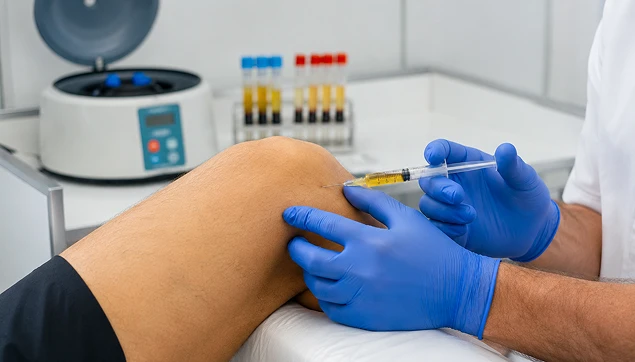
Overview
Regenerative therapy works with your body’s own healing mechanisms to repair damaged tissue, reduce inflammation, and address the source of your pain, rather than simply masking it.
About

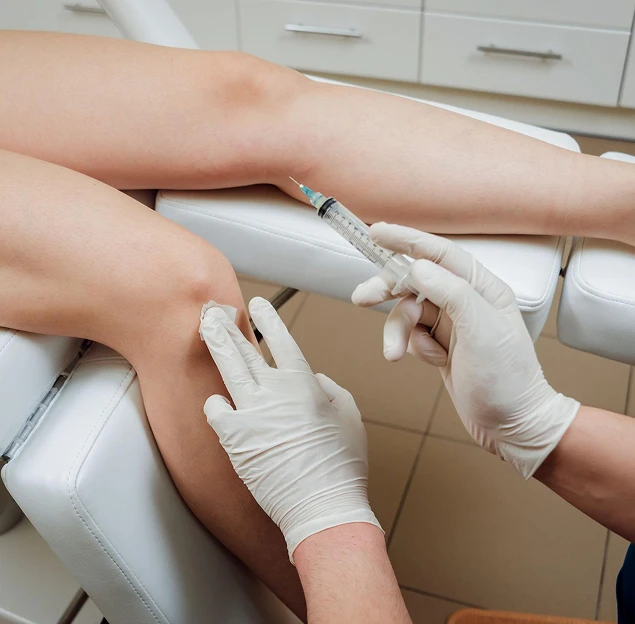
Biological agents are precisely injected into the affected joint, tendon, or tissue
The treatment triggers the body's own repair processes at a cellular level
Damaged or degenerated tissue is supported in healing from within
Surrounding healthy structures remain completely undisturbed
Meaningful reduction in pain and improvement in function for most patients
A minimally invasive approach performed under image guidance
Treatments tailored to the specific source and nature of your pain
A well-established field of medicine used by specialist pain and orthopaedic centres worldwide
Eligibility
You may be a candidate for regenerative therapy if you have been living with persistent joint, tendon, or spine pain that has not improved sufficiently with medication, physiotherapy, or other conservative treatments.
A thorough clinical evaluation is always required to confirm whether regenerative therapy is the right option for you.
If you have experienced any of these, a consultation with Painacea is the right place to start.

Procedure
Clinical assessment and imaging are used to precisely identify the damaged tissue or joint driving your pain.
The most appropriate regenerative approach, whether PRP, prolotherapy, or viscosupplementation, is chosen based on your diagnosis and goals.
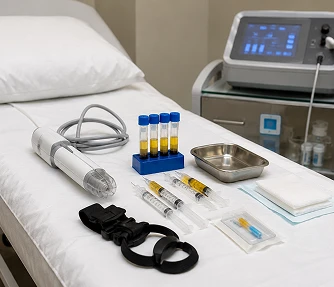
The treatment area is cleaned and numbed. Some procedures may involve a brief blood draw or preparation of the biological agent beforehand.
Using ultrasound or live X-ray guidance, the treatment is delivered directly to the target tissue with accuracy.
The biological agent begins working at the site of damage, stimulating repair, reducing inflammation, and supporting tissue recovery.
Most patients are monitored briefly and discharged the same day, returning home with clear aftercare instructions.
Recovery
Why Choose Us
Persistent pain does not always need the same treatment. At Painacea, we first identify the likely source and mechanism of pain, then help you choose the appropriate next step.
Symptoms, examination, function and imaging are correlated before recommending treatment.
The pathway may include medical care, rehabilitation, a targeted MIPSI, surgical evaluation or a coordinated combination.
Image-guided interventions, radiofrequency procedures, neuromodulation and selected minimally invasive spine treatments are considered only when clinically appropriate.
If another specialist or surgery is the appropriate next step, we recommend it rather than delaying necessary treatment.
FAQs
Regenerative therapy uses biologically active substances, such as platelet-rich plasma, prolotherapy, or hyaluronic acid, to stimulate the body’s natural repair processes and reduce pain at its source, rather than simply masking symptoms.
Regenerative therapy for arthritis is one of its most common applications. Treatments such as PRP and viscosupplementation have been studied extensively for osteoarthritis of the knee and other joints, with evidence supporting improvements in pain and function.
Regenerative cell therapy cost and broader regenerative injection therapy cost vary depending on the type of treatment, the joint or area being treated, and the number of sessions required. Full pricing clarity will be provided during your consultation.
This depends on the treatment type and your individual response. Some patients benefit from a single session, while others may require a short course of treatment. Your specialist will advise based on your assessment.
When performed by a trained specialist under image guidance, regenerative therapy has a well-established safety profile. The most common side effects are mild soreness or swelling at the injection site, which typically settles within a few days.
A consultation can help determine appropriate next steps based on your condition.
125, B wing, First floor, Shrikant Chambers, Next to RK Studios, Chembur, Mumbai, Maharashtra 400071


