

Conditions

Osteoarthritis

Specialist-Led Pain Evaluation and Care

Overview

Specialist-Led Pain Evaluation and Care

Precision in diagnosis. Clarity in treatment.

Osteoarthritis of the wrist is a progressive condition, but persistent pain and loss of function are not inevitable. With the right diagnosis and a targeted treatment plan, most people can regain meaningful control of their wrist and their daily life.

At Painacea, osteoarthritis of the wrist care is built around identifying exactly which structures are affected and treating them with precise, minimally invasive solutions designed for long-term relief, not short-term masking.

Painacea is defined by:

  • Precision-led, minimally invasive approach
  • Specialist diagnosis, not symptom-based treatment
  • Focus on long-term control and functional recovery
Book a Specialist Consultation

About

What Is Osteoarthritis of The Wrist?

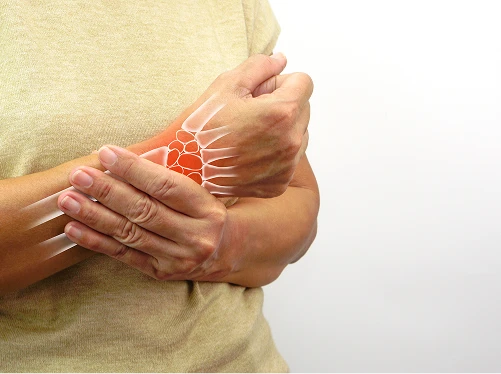
Osteoarthritis of the wrist is a chronic, progressive condition in which the cartilage that cushions the wrist joint gradually wears away. As this protective layer deteriorates, bones begin to move against each other with less cushioning, causing pain, swelling, stiffness, and a progressive loss of movement and grip strength.
What Is Osteoarthritis of The Wrist?

Wrist osteoarthritis most commonly involves:

  • The radiocarpal joint, where the forearm bones meet the carpal bones, affecting wrist rotation and flexion

  • The midcarpal joint, between the rows of small carpal bones, limiting overall hand movement

  • The distal radioulnar joint at the base of the wrist, affecting the ability to turn the palm upward

Causes

What Are the Causes of Osteoarthritis of The Wrist?

Wrist osteoarthritis develops when cartilage in the joint is gradually eroded, either through normal wear and tear over time or as a result of prior injury or occupational stress.

Common causes include:

  • Age-related cartilage degeneration, the most common driver of wrist osteoarthritis
  • Previous wrist fractures or ligament injuries leading to post-traumatic arthritis
  • Repetitive occupational use placing sustained stress on the wrist joint over many years
  • Activities or professions requiring frequent, forceful grip or wrist loading
  • Family history of osteoarthritis increasing individual susceptibility
  • Prior inflammatory joint conditions accelerating cartilage breakdown
What Are the Causes of Osteoarthritis of The Wrist?
What Are the Symptoms of Osteoarthritis of The Wrist?

Symptoms

What Are the Symptoms of Osteoarthritis of The Wrist?

Osteoarthritis symptoms in the wrist typically develop gradually and become more pronounced with use. Recognising the pattern early makes diagnosis more accurate and treatment more effective.

Common symptoms include:

  • Persistent dull aching or burning pain in the wrist, often worse with activity
  • Morning stiffness that may ease as the joint warms up through the day
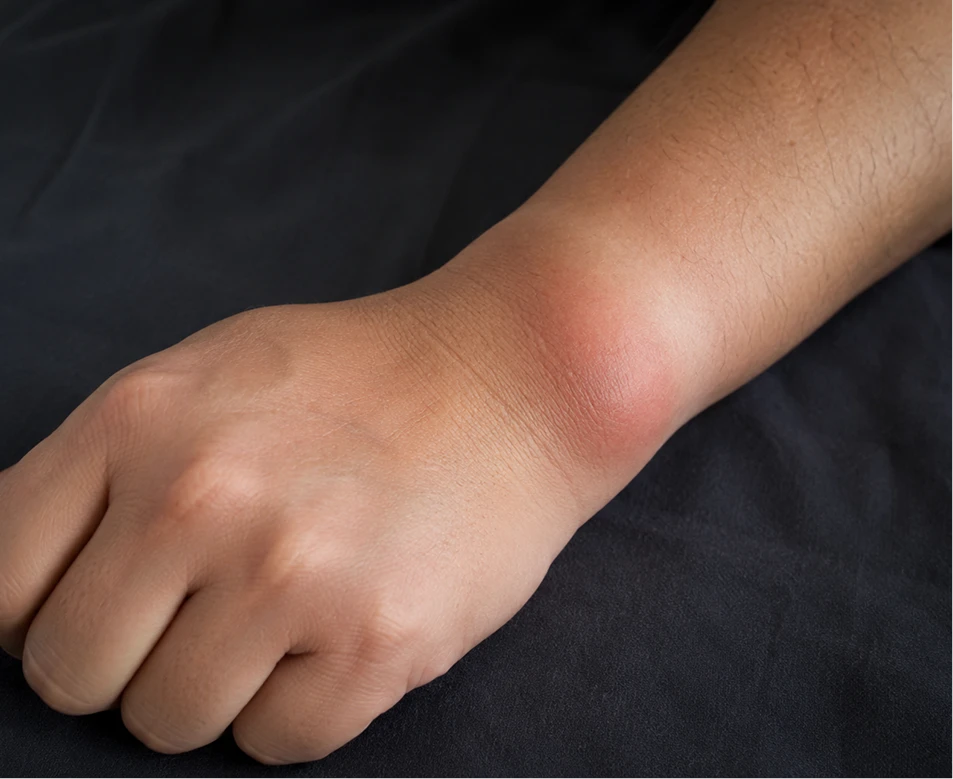
  • Swelling or tenderness around the wrist joint
  • Reduced range of motion, particularly difficulty rotating or flexing the wrist fully
  • Weakness in grip and hand strength
  • Clicking, grinding, or crackling sensations during wrist movement
  • Pain with everyday tasks such as opening jars, turning keys, or typing
  • In more advanced cases, visible changes in joint shape or alignment

Treatment

What Are the Treatment Options for Osteoarthritis of The Wrist?

Osteoarthritis treatment at Painacea is guided by the stage of the condition and the specific joints involved. The approach is non-surgical first, with targeted interventions selected based on what is actually driving the pain and loss of function.

Precision-Guided Interventions

For joint and nerve-related wrist pain, options include:

  • Radiofrequency ablation targeting the specific sensory nerves supplying the affected wrist joint, providing sustained pain relief without affecting joint structure
  • Regenerative therapies including platelet-rich plasma injections to reduce inflammation, support cartilage health, and improve joint function
  • Image-guided joint injections to reduce acute inflammation and restore comfort during flare-up periods

Physiotherapy and Movement Correction

To address the mechanical contributors to ongoing wrist pain:

  • Targeted hand and wrist rehabilitation exercises to maintain range of motion and rebuild grip strength
  • Postural and activity modification guidance to reduce mechanical stress on the joint
  • Splinting and load management strategies during higher-demand periods

Long-Term Pain Control

Across all stages of wrist osteoarthritis, the goal is:

  • Slowing the progression of joint deterioration where possible
  • Reducing dependence on oral anti-inflammatory medication
  • Preserving function and quality of life for as long as possible without surgery

Precision-Guided Interventions

For joint and nerve-related wrist pain, options include:

  • Radiofrequency ablation targeting the specific sensory nerves supplying the affected wrist joint, providing sustained pain relief without affecting joint structure
  • Regenerative therapies including platelet-rich plasma injections to reduce inflammation, support cartilage health, and improve joint function
  • Image-guided joint injections to reduce acute inflammation and restore comfort during flare-up periods

Physiotherapy and Movement Correction

To address the mechanical contributors to ongoing wrist pain:

  • Targeted hand and wrist rehabilitation exercises to maintain range of motion and rebuild grip strength
  • Postural and activity modification guidance to reduce mechanical stress on the joint
  • Splinting and load management strategies during higher-demand periods

Long-Term Pain Control

Across all stages of wrist osteoarthritis, the goal is:

  • Slowing the progression of joint deterioration where possible
  • Reducing dependence on oral anti-inflammatory medication
  • Preserving function and quality of life for as long as possible without surgery
Painacea

Why Choose Us

Why Choose Painacea?

Care is centred on identifying the source of pain and delivering targeted, effective solutions.

  • list icon

    17+ years of experience in pain medicine and anesthesiology

  • list icon

    Specialist in minimally invasive, image-guided interventions

  • list icon

    Strong focus on precise diagnosis before treatment

  • list icon

    Expertise in managing complex spine, nerve, and pain conditions

  • list icon

    International training across USA, Europe, and South Korea

  • list icon

    Academic leadership as Professor and Fellowship Mentor

Book a Specialist Consultation

FAQs

Frequently Asked Questions

Dull wrist pain that worsens with use, morning stiffness, reduced grip strength, and clicking or grinding sensations during movement.

Targeted injections, regenerative therapies, physiotherapy, and activity modification. Radiofrequency ablation is effective for sustained relief when the joint is the primary pain source.

Cartilage loss cannot be reversed, but progression can be slowed and symptoms significantly reduced. Early intervention produces the best long-term outcomes.

Most people do not. Surgery is considered only when pain is severe and function is significantly impaired despite other treatments.

Repetitive gripping, heavy wrist loading, prolonged activity without rest, and delayed treatment.

Contact

Considering Further Evaluation for Persistent Pain?

A consultation can help determine appropriate next steps based on your condition.

hello@painacea.in +91 94192 00497

First Floor, Shrikant Chambers - c, 125, B Wing, next to RK Studios, Chembur, Mumbai - 400071

    Get a Precise Diagnosis