Conditions

Non Cardiac Chest Pain

Specialist-Led Pain Evaluation and Care

Overview

Specialist-Led Pain Evaluation and Care

Precision in diagnosis. Clarity in treatment.

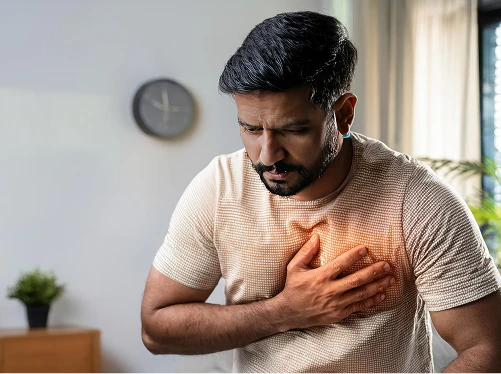
Chest pain immediately raises concern about the heart, but not all chest pain is cardiac. In many patients, the source lies in the muscles, nerves, joints, spine, digestive system, or stress-related mechanisms that can produce symptoms remarkably similar to heart-related pain.

At Painacea, non-cardiac chest pain treatment is built around identifying the exact source of discomfort and ruling out serious underlying conditions before delivering targeted, minimally invasive solutions designed for long-term relief and functional confidence.

Painacea is defined by:

  • Precision-led, minimally invasive approach
  • Specialist diagnosis, not symptom-based treatment
  • Focus on long-term control and functional recovery
Book a Specialist Consultation

About

What Is Non-Cardiac Chest Pain?

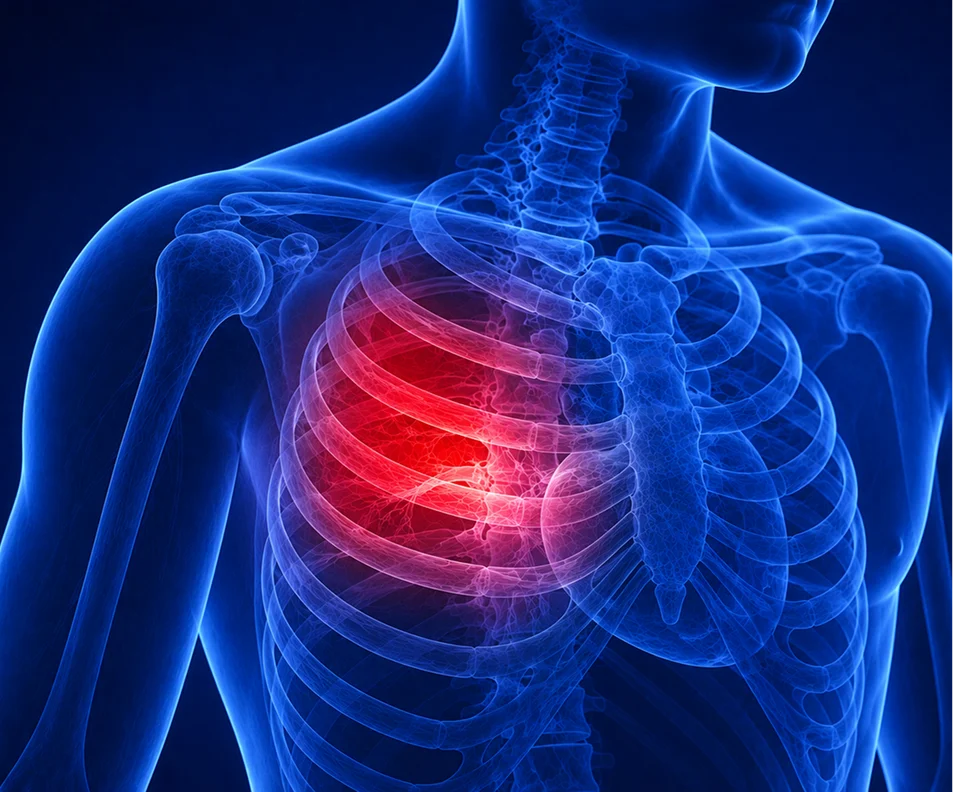
Non-cardiac chest pain refers to chest discomfort that is not caused by heart disease or reduced blood flow to the heart muscle. While heart-related chest pain requires urgent evaluation, many patients experience symptoms arising from the chest wall, muscles, nerves, ribs, spine, digestive tract, or stress-related conditions.
What Is Non-Cardiac Chest Pain?

Most cases of non-cardiac chest pain involve:

  • Muscular strain affecting the chest wall

  • Costochondritis or inflammation of the rib joints

  • Nerve irritation or compression

  • Cervical or thoracic spine dysfunction

  • Acid reflux and oesophageal irritation

  • Stress and anxiety-related physical symptoms

The pattern often tells you more than the intensity:

  • Pain that changes with movement or posture: commonly indicates a musculoskeletal cause

  • Pain reproduced by touch or pressure: often reflects chest wall involvement

  • Burning discomfort behind the breastbone: may suggest reflux-related irritation

  • Chest tightness associated with stress or anxiety: often points to stress-related mechanisms rather than heart disease

Causes

What Are the Causes of Non-Cardiac Chest Pain?

Non-cardiac chest pain causes are often a combination of physical, mechanical, and lifestyle factors. When the underlying contributors go unaddressed, symptoms can become persistent and lead to ongoing anxiety and activity limitation.

Common causes include:

  • Muscle strain from physical activity or overuse
  • Poor posture and prolonged sitting
  • Costochondritis and rib joint inflammation
  • Nerve compression or irritation
  • Cervical and thoracic spine disorders
  • Acid reflux and oesophageal conditions
  • Stress, anxiety, and heightened pain sensitivity
  • Occupational or lifestyle factors contributing to muscular tension
What Are the Causes of Non-Cardiac Chest Pain?
What Are the Symptoms of Non-Cardiac Chest Pain?

Symptoms

What Are the Symptoms of Non-Cardiac Chest Pain?

Symptoms vary depending on the underlying cause and affected structures. Recognising the pattern is the first step towards accurate diagnosis and effective treatment.

Common symptoms include:

  • Pain on the left, right, or centre of the chest
  • Sharp, stabbing, aching, or pressure-like discomfort
  • Chest tightness or heaviness
  • Pain that changes with movement, posture, or breathing
  • Localised tenderness over the chest wall or ribs
  • Pain radiating into the shoulder, back, or upper abdomen
  • Symptoms triggered or worsened by stress and anxiety

Any new, severe, unexplained, or persistent chest pain should always be medically evaluated to exclude potentially serious causes.

Treatment

What Are the Treatment Options for Non-Cardiac Chest Pain?

Treatment at Painacea is guided by the underlying cause rather than symptom suppression alone. The approach is non-surgical first, with interventions selected according to the structures actually responsible for the pain.

Precision-Guided Interventions 

For persistent chest wall, nerve, or musculoskeletal pain:

  • Image-guided injections for targeted pain relief
  • Interventions for rib joint inflammation and costochondritis
  • Diagnostic nerve blocks to identify and treat pain generators
  • Minimally invasive procedures in selected chronic cases

Physiotherapy and Movement Correction

For addressing mechanical contributors and restoring function:

  • Postural correction and spinal alignment strategies
  • Improvement of chest wall mobility and movement mechanics
  • Stretching and strengthening programmes
  • Breathing pattern optimisation to reduce muscular tension

Conservative and Supportive Management

For ongoing symptom control alongside targeted interventions:

  • Anti-inflammatory medications where clinically appropriate
  • Management of reflux-related contributors when present
  • Stress reduction and lifestyle modification strategies
  • Patient education on posture, movement, and symptom management

Specialist Referral and Collaborative Care

For cases requiring multidisciplinary input:

  • Gastroenterology evaluation when digestive causes are suspected
  • Cardiology review where further cardiac assessment is required
  • Psychological support for significant stress-related symptoms
  • Collaborative management tailored to the underlying diagnosis

Precision-Guided Interventions 

For persistent chest wall, nerve, or musculoskeletal pain:

  • Image-guided injections for targeted pain relief
  • Interventions for rib joint inflammation and costochondritis
  • Diagnostic nerve blocks to identify and treat pain generators
  • Minimally invasive procedures in selected chronic cases

Physiotherapy and Movement Correction

For addressing mechanical contributors and restoring function:

  • Postural correction and spinal alignment strategies
  • Improvement of chest wall mobility and movement mechanics
  • Stretching and strengthening programmes
  • Breathing pattern optimisation to reduce muscular tension

Conservative and Supportive Management

For ongoing symptom control alongside targeted interventions:

  • Anti-inflammatory medications where clinically appropriate
  • Management of reflux-related contributors when present
  • Stress reduction and lifestyle modification strategies
  • Patient education on posture, movement, and symptom management

Specialist Referral and Collaborative Care

For cases requiring multidisciplinary input:

  • Gastroenterology evaluation when digestive causes are suspected
  • Cardiology review where further cardiac assessment is required
  • Psychological support for significant stress-related symptoms
  • Collaborative management tailored to the underlying diagnosis
Painacea

Why Choose Us

Why Choose Painacea?

Care is centred on identifying the source of pain and delivering targeted, effective solutions.

  • list icon

    17+ years of experience in pain medicine and anesthesiology

  • list icon

    Specialist in minimally invasive, image-guided interventions

  • list icon

    Strong focus on precise diagnosis before treatment

  • list icon

    Expertise in managing complex spine, nerve, and pain conditions

  • list icon

    International training across USA, Europe, and South Korea

  • list icon

    Academic leadership as Professor and Fellowship Mentor

Book a Specialist Consultation

FAQs

Frequently Asked Questions

Non-cardiac chest pain refers to chest discomfort that is not caused by heart disease. Common causes include muscle strain, rib joint inflammation, nerve irritation, acid reflux, and stress-related conditions.

Left-sided chest pain can occur due to chest wall muscle strain, nerve irritation, costochondritis, reflux, or stress-related conditions. However, cardiac causes should always be excluded first.

While non-cardiac pain often changes with movement, posture, breathing, or touch, heart-related pain may not. Because symptoms can overlap, proper medical evaluation is essential.

Yes. Stress and anxiety can produce chest tightness, pressure, discomfort, and breathing changes that closely resemble other causes of chest pain.

If chest pain is persistent, recurrent, unexplained, or continues despite normal cardiac investigations, specialist evaluation can help identify the true source and guide appropriate treatment.

Contact

Considering Further Evaluation for Persistent Pain?

A consultation can help determine appropriate next steps based on your condition.

hello@painacea.in +91 94192 00497

First Floor, Shrikant Chambers - c, 125, B Wing, next to RK Studios, Chembur, Mumbai - 400071

    Get a Precise Diagnosis