
Conditions

Tendonitis

Specialist-Led Pain Evaluation and Care

Overview

Specialist-Led Pain Evaluation and Care

Precision in diagnosis. Clarity in treatment.

Tendonitis of the shoulder does not develop without reason. It is almost always the result of identifiable stress on the rotator cuff or bicep tendons, whether from repetitive overhead load, poor movement mechanics, or underlying structural imbalance.

At Painacea, the focus is on tracing tendon stress to its root cause and delivering targeted, minimally invasive tendonitis treatment aimed at sustained recovery, not a temporary fix.

Painacea is defined by:

Precision-led, minimally invasive approach

Specialist diagnosis, not symptom-based treatment

Focus on long-term control and functional recovery

Book a Specialist Consultation

About

What Is Tendonitis? 

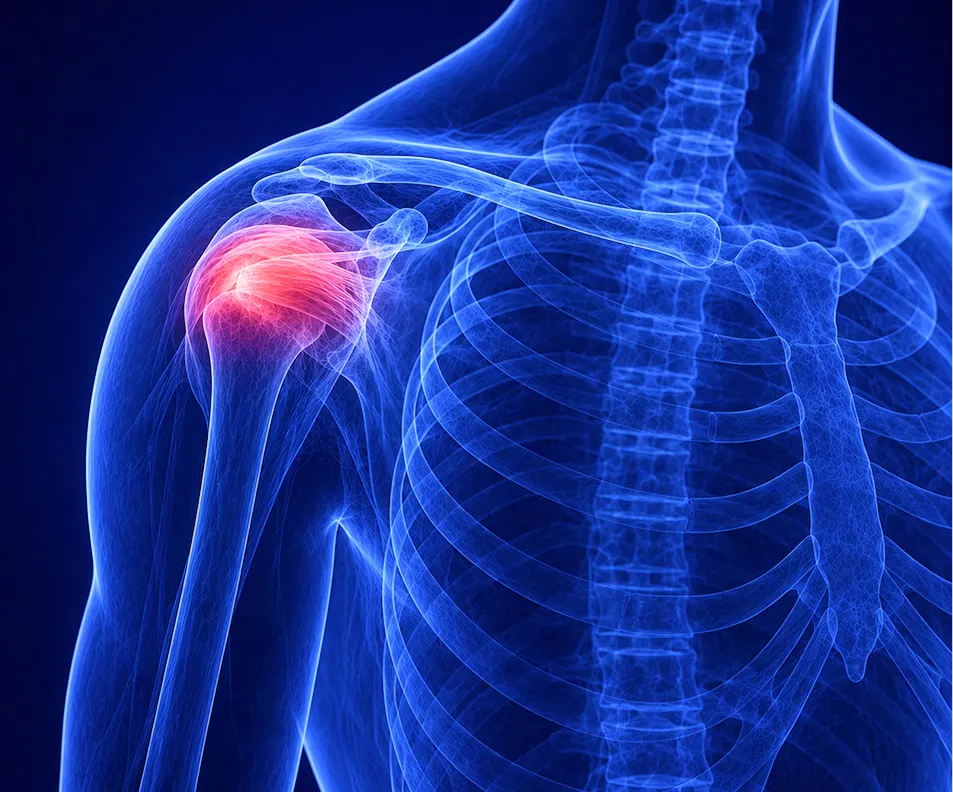
Shoulder tendonitis is not simply inflammation of a tendon. It is usually a sign that the rotator cuff or bicep tendon is being loaded beyond what it can currently tolerate. Because contributing factors frequently overlap, treating tendonitis based on pain location alone tends to produce temporary relief at best.
What Is Tendonitis? 

Most cases of shoulder tendonitis originate from:

  • Repetitive overhead mechanical overload

  • Poor shoulder mechanics or rotator cuff muscle imbalance

  • Inadequate tendon conditioning or recovery

  • Age-related tendon degeneration

  • Systemic conditions affecting tissue health

The affected tendon often tells you more than the pain intensity alone:

  • Rotator cuff tendons: overhead loading, impingement, or repetitive reaching movements

  • Bicep tendon: repetitive lifting, pulling, or forearm rotation, placing stress at the shoulder attachment

  • Supraspinatus tendon: most commonly involved, typically linked to overhead activity or impingement

  • Long head of biceps: often associated with bicep tendonitis treatment needs arising from repetitive arm use

  • Shoulder and neck junction: referred pain patterns that can mimic cervical spine involvement

Causes

What Are The Causes of Tendonitis?

Shoulder tendonitis is usually the result of a combination of mechanical, biological, and lifestyle factors. When the underlying cause goes unaddressed, the tendon’s capacity to heal diminishes, and tendonitis symptoms tend to worsen or become chronic over time.

Common reasons for shoulder tendonitis include:

  • Repetitive overhead movements or sudden increases in training load
  • Rotator cuff weakness or imbalance
  • Poor shoulder mechanics or faulty lifting and reaching technique
  • Age-related decline in tendon elasticity
  • Inflammatory conditions
  • Inadequate recovery time between periods of physical activity
  • Occupational or postural demands
  • Equipment or workstation factors
What Are The Causes of Tendonitis?
What Are the Symptoms of Tendonitis?

Symptoms

What Are the Symptoms of Tendonitis?

Shoulder tendonitis symptoms vary based on which tendon is affected and how far the condition has progressed. Recognising the pattern is the first step to accurate diagnosis.

Common tendonitis symptoms include:

  • Localised pain or tenderness
  • A dull ache that worsens with overhead activity and eases with rest
  • Stiffness around the shoulder joint
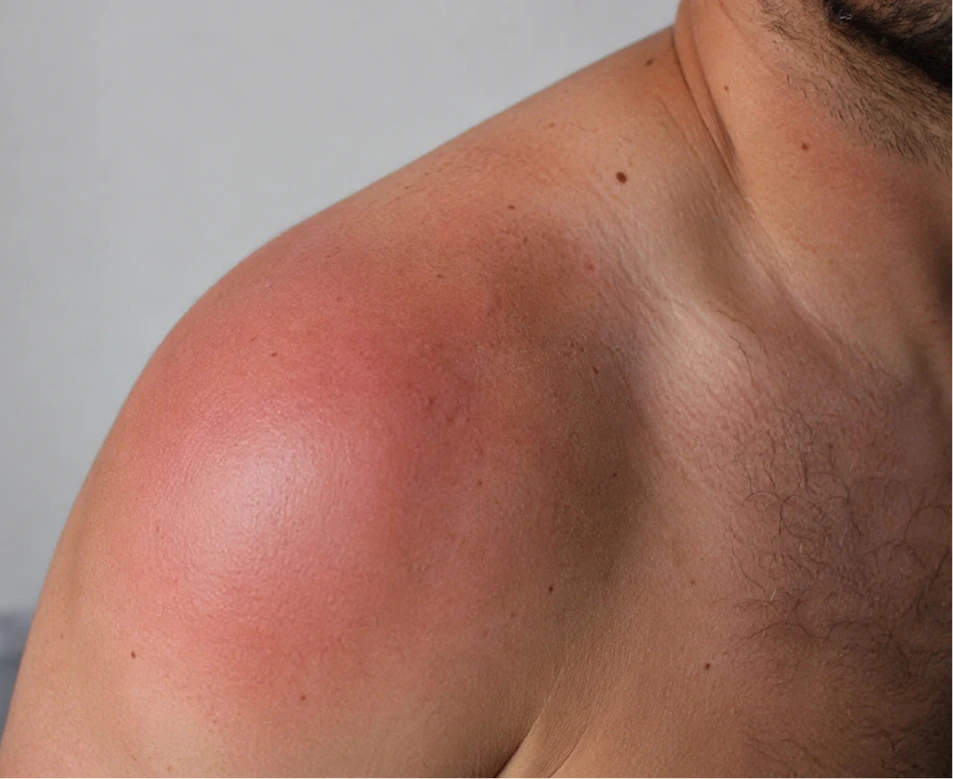
  • Swelling or warmth in the surrounding tissue
  • A gradual onset of pain that intensifies with continued load
  • Weakness or reduced range of motion when lifting or rotating the arm
  • Pain that returns consistently

Unlike patellar tendonitis or elbow tendonitis symptoms, shoulder tendonitis often presents with a wider arc of referred pain and night discomfort due to the complexity of the joint.

Treatment

What Are the Treatment Options for Tendonitis?

Tendonitis treatment at Painacea is guided by cause, not symptoms. The approach is non-surgical first, with interventions selected based on what is actually driving the tendon stress and pain.

Regenerative Injections & Therapy 

For tendon repair and tissue recovery, including bicep tendonitis treatment and rotator cuff tendonitis, options include:

  • Platelet-rich plasma (PRP) injections
  • Prolotherapy to promote collagen repair and structural restoration
  • Targeted to address degenerative changes before they progress further

Nerve Ablation for Pain Reduction 

For chronic or persistent shoulder tendon pain, this targets:

  • Long-standing tendon pain unresponsive to conservative treatment
  • Disrupting pain signals from the nerves supplying the affected shoulder tendon
  • Reducing localised pain

Precision-Guided Interventions 

For select cases involving nerve-driven shoulder tendon pain:

  • Precisely targeting nerves
  • Providing longer-lasting relief

Nerve Stimulation 

For cases where pain sensitisation is a significant factor, the focus is on:

  • Modulating pain signals at the nerve level
  • Reducing central and peripheral sensitisation
  • Improving functional capacity and pain control

Regenerative Injections & Therapy 

For tendon repair and tissue recovery, including bicep tendonitis treatment and rotator cuff tendonitis, options include:

  • Platelet-rich plasma (PRP) injections
  • Prolotherapy to promote collagen repair and structural restoration
  • Targeted to address degenerative changes before they progress further
Nerve Ablation for Pain Reduction 

For chronic or persistent shoulder tendon pain, this targets:

  • Long-standing tendon pain unresponsive to conservative treatment
  • Disrupting pain signals from the nerves supplying the affected shoulder tendon
  • Reducing localised pain

Precision-Guided Interventions 

For select cases involving nerve-driven shoulder tendon pain:

  • Precisely targeting nerves
  • Providing longer-lasting relief

Nerve Stimulation 

For cases where pain sensitisation is a significant factor, the focus is on:

  • Modulating pain signals at the nerve level
  • Reducing central and peripheral sensitisation
  • Improving functional capacity and pain control
Painacea

Why Choose Us

Why Choose Painacea?

Care is centred on identifying the source of pain and delivering targeted, effective solutions.

  • list icon

    17+ years of experience in pain medicine and anesthesiology

  • list icon

    Specialist in minimally invasive, image-guided interventions

  • list icon

    Strong focus on precise diagnosis before treatment

  • list icon

    Expertise in managing complex spine, nerve, and pain conditions

  • list icon

    International training across USA, Europe, and South Korea

  • list icon

    Academic leadership as Professor and Fellowship Mentor

Book a Specialist Consultation

FAQs

Frequently Asked Questions

Recovery varies. Mild cases of shoulder tendonitis resolve within a few weeks with appropriate rest and load management. Chronic tendonitis can take several months, particularly where degenerative changes are present. Targeted tendonitis treatment significantly shortens recovery compared to rest alone.

Shoulder tendonitis is most commonly caused by repetitive overhead load, sudden spikes in activity, or poor rotator cuff mechanics. Muscle weakness, age-related tendon changes, and systemic conditions such as diabetes or inflammatory arthritis also increase the risk.

Stretching alone is rarely sufficient and can aggravate tendonitis symptoms if applied incorrectly. Controlled, structured loading under specialist guidance is generally far more effective than passive stretching.

Tendonitis treatment is guided by cause, not symptoms. Options range from load management and movement correction in early stages to regenerative therapies, radiofrequency ablation, or neuromodulation for persistent or chronic cases.

The fastest route to recovery is an accurate diagnosis followed by targeted treatment aimed at the root cause. Symptom-based management alone rarely resolves shoulder pain and often delays meaningful recovery.

Contact

Considering Further Evaluation for Persistent Pain?

A consultation can help determine appropriate next steps based on your condition.

hello@painacea.in +91 94192 00497

First Floor, Shrikant Chambers - c, 125, B Wing, next to RK Studios, Chembur, Mumbai - 400071

    Get a Precise Diagnosis