Conditions

ACL (Anterior Cruciate Injury)

Specialist-Led Pain Evaluation and Care

Overview

Specialist-Led Pain Evaluation and Care

Precision in diagnosis. Clarity in treatment.

An ACL injury is one of the most significant knee injuries a person can sustain, yet with accurate diagnosis and targeted management, full functional recovery is achievable in the majority of cases.

At Painacea, ACL injury care is built around identifying the exact extent of ligament damage and treating it with targeted, minimally invasive solutions designed for long-term stability and functional recovery.

Painacea is defined by:

  • Precision-led, minimally invasive approach
  • Specialist diagnosis, not symptom-based treatment
  • Focus on long-term control and functional recovery
Book a Specialist Consultation

About

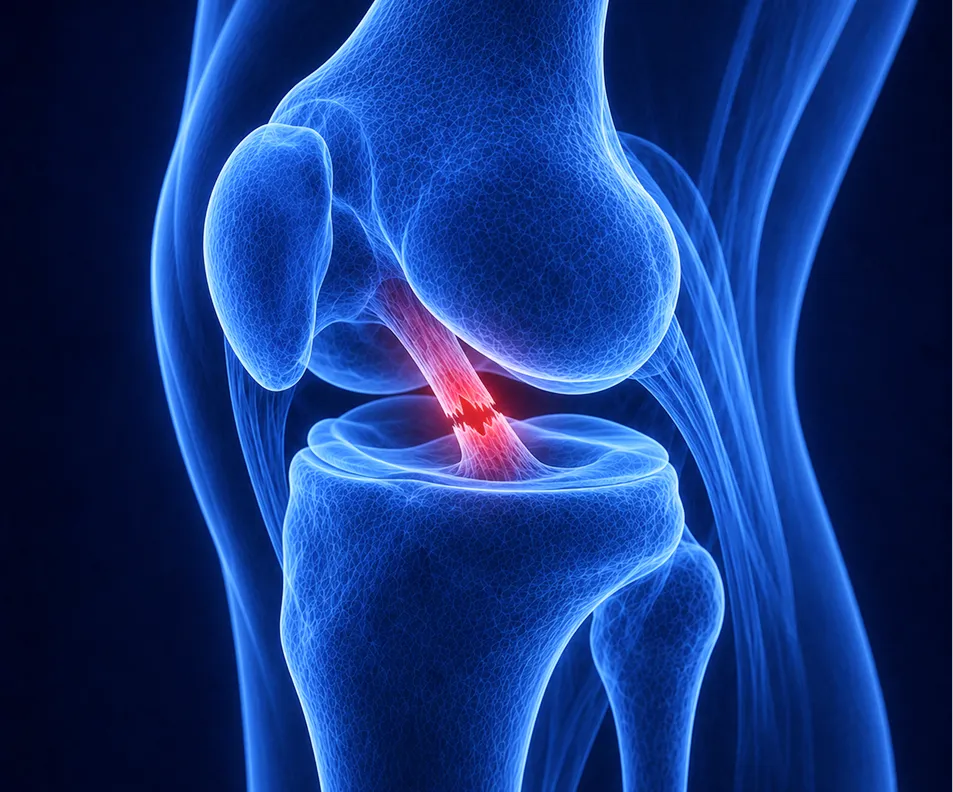
What Is an ACL Injury?

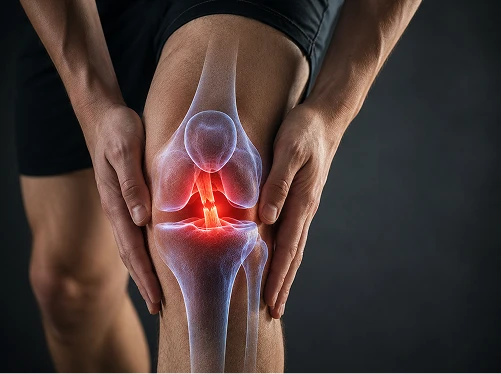
The anterior cruciate ligament, commonly known as the ACL, is one of the four major ligaments of the knee. It connects the femur to the tibia and provides rotational stability and control of forward tibial movement.
What Is an ACL Injury?

Key characteristics include:

  • The ACL is the most frequently injured knee ligament in active individuals

  • Injuries are classified as grade 1 partial sprain, grade 2 partial tear, or grade 3 complete rupture

  • Complete rupture results in significant knee instability

  • ACL injuries frequently occur alongside damage to the meniscus, cartilage, or other knee ligaments

  • Both surgical and non-surgical pathways are available depending on grade, lifestyle, and activity demands

  • Without appropriate management, chronic knee instability and early onset osteoarthritis can develop

Causes

What Are The Causes of ACL Injury?

ACL injuries are caused by sudden mechanical stress that exceeds the tensile strength of the ligament. Common causes include:

Common causes and risk factors include:

  • Sudden deceleration followed by a change of direction, common in football, basketball, and tennis
  • Direct impact or collision to the knee
  • Awkward landing from a jump with the knee in a vulnerable position
  • Pivoting or twisting with the foot planted firmly on the ground
  • Hyperextension of the knee joint
  • Female athletes are at higher risk due to anatomical and hormonal differences affecting ligament laxity
  • Previous ACL injury significantly increases re-injury risk
  • Poor neuromuscular control and muscle imbalance around the knee
  • Playing on artificial turf or wearing inappropriate footwear
What Are The Causes of ACL Injury?
What Are The Symptoms of ACL Injury?

Symptoms

What Are The Symptoms of ACL Injury?

ACL injury symptoms vary depending on the grade of injury and the structures involved. Recognising the pattern early is essential for accurate diagnosis and timely management.

Common symptoms include:

  • A loud pop or snapping sensation at the moment of injury
  • Immediate and severe knee pain
  • Rapid onset swelling within the first few hours of injury
  • Feeling of instability or the knee giving way
  • Inability to bear weight on the affected leg
  • Restricted range of knee movement
  • Tenderness along the joint line
  • In partial ACL knee ligament injury symptoms may be subtler with intermittent instability rather than complete joint failure
  • Persistent swelling and pain with activity following incomplete recovery

ACL knee injury symptoms that involve instability during daily activities, not just sport, indicate a degree of injury that warrants specialist evaluation without delay.

Treatment

What Are The Treatment Options for ACL Injury?

Treatment at Painacea is guided by the grade of injury, the patient's activity demands, and the presence of associated structural damage. The approach prioritises restoring stability and function with the least invasive intervention appropriate to the clinical picture.

Precision-Guided Interventions

For pain management and inflammation control in the acute and subacute phases of ACL injury:

  • Image-guided corticosteroid injections
  • Radiofrequency ablation for chronic knee pain persisting after ACL injury
  • Cryoablation for targeted disruption of pain-transmitting nerves

Regenerative Therapies

For partial ACL tears and associated cartilage or meniscal involvement where biological repair is a viable goal:

  • Platelet-rich plasma therapy to support ligament healing
  • Biologic treatments targeting tissue repair at the injury site
  • Particularly effective when combined with structured rehabilitation

ACL Injury Surgery and Minimally Invasive Procedures

For complete ACL ruptures or cases where conservative management has not restored adequate stability:

  • ACL injury surgery performed arthroscopically using graft reconstruction
  • Minimally invasive approach significantly reduces tissue disruption
  • image-guided techniques to optimise rehabilitation progress

Physiotherapy and Rehabilitation

Structured rehabilitation is essential at every stage of ACL injury treatment, whether surgical or non-surgical:

  • Progressive neuromuscular and strength training
  • Proprioceptive retraining to recover joint position sense lost following ligament damage
  • Return-to-sport protocols tailored to the patient’s activity

Precision-Guided Interventions

For pain management and inflammation control in the acute and subacute phases of ACL injury:

  • Image-guided corticosteroid injections
  • Radiofrequency ablation for chronic knee pain persisting after ACL injury
  • Cryoablation for targeted disruption of pain-transmitting nerves

Regenerative Therapies

For partial ACL tears and associated cartilage or meniscal involvement where biological repair is a viable goal:

  • Platelet-rich plasma therapy to support ligament healing
  • Biologic treatments targeting tissue repair at the injury site
  • Particularly effective when combined with structured rehabilitation

ACL Injury Surgery and Minimally Invasive Procedures

For complete ACL ruptures or cases where conservative management has not restored adequate stability:

  • ACL injury surgery performed arthroscopically using graft reconstruction
  • Minimally invasive approach significantly reduces tissue disruption
  • image-guided techniques to optimise rehabilitation progress

Physiotherapy and Rehabilitation

Structured rehabilitation is essential at every stage of ACL injury treatment, whether surgical or non-surgical:

  • Progressive neuromuscular and strength training
  • Proprioceptive retraining to recover joint position sense lost following ligament damage
  • Return-to-sport protocols tailored to the patient’s activity
Painacea

Why Choose Us

Why Choose Painacea?

Care is centred on identifying the source of pain and delivering targeted, effective solutions.

  • list icon

    17+ years of experience in pain medicine and anesthesiology

  • list icon

    Specialist in minimally invasive, image-guided interventions

  • list icon

    Strong focus on precise diagnosis before treatment

  • list icon

    Expertise in managing complex spine, nerve, and pain conditions

  • list icon

    International training across USA, Europe, and South Korea

  • list icon

    Academic leadership as Professor and Fellowship Mentor

Book a Specialist Consultation

FAQs

Frequently Asked Questions

Immediate sharp pain at the time of injury, followed by swelling, instability, and a persistent aching in the knee. Many patients describe a feeling of the knee giving way.

es. A complete rupture causes significant knee instability and without proper management leads to long-term cartilage damage and early onset osteoarthritis.

Partial tears can heal with regenerative therapy and structured rehabilitation. Complete ruptures generally do not heal on their own and typically require surgical reconstruction in active individuals.

Partial tears take three to six months. Full ACL reconstruction surgery followed by rehabilitation typically requires nine to twelve months before return to sport.

Most patients achieve full functional recovery with appropriate treatment and rehabilitation. Return to pre-injury activity levels is achievable in the majority of cases when recovery protocols are followed consistently.

Contact

Considering Further Evaluation for Persistent Pain?

A consultation can help determine appropriate next steps based on your condition.

hello@painacea.in +91 94192 00497

First Floor, Shrikant Chambers - c, 125, B Wing, next to RK Studios, Chembur, Mumbai - 400071

    Get a Precise Diagnosis