
Conditions

Headache

Specialist-Led Pain Evaluation and Care

Overview

Specialist-Led Pain Evaluation and Care

Precision in diagnosis. Clarity in treatment.

Recurring headaches are rarely random. In most cases, they are driven by specific triggers involving the neck, nerves, posture, or lifestyle.

Painacea is defined by:

  • Precision-led, minimally invasive approach
  • Specialist diagnosis, not symptom-based treatment
  • Focus on long-term control and functional recovery
Book a Specialist Consultation

About

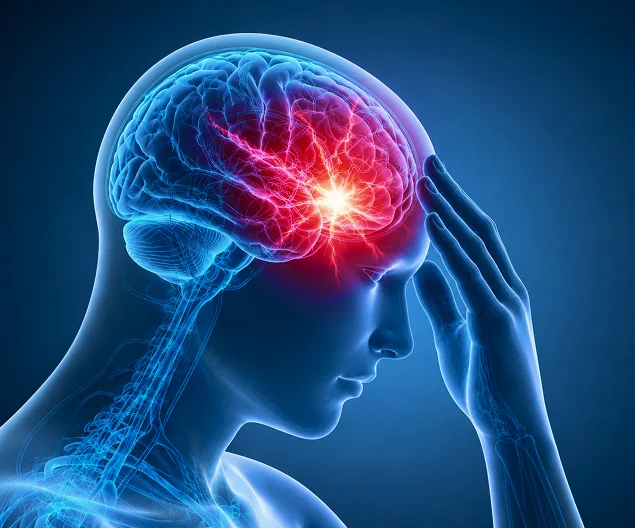
What Is a Headache?

A headache is not simply pain in the head. It is usually a signal that something in the surrounding structures is not functioning as it should. Because causes often overlap, treating a headache based only on how it feels tends to produce temporary relief at best.
What Is a Headache?

Most headaches originate from:

  • Muscle tension in the neck and shoulders

  • Cervical spine dysfunction

  • Nerve irritation

  • Sinus inflammation

  • Jaw alignment issues

The location often tells you more than the intensity:

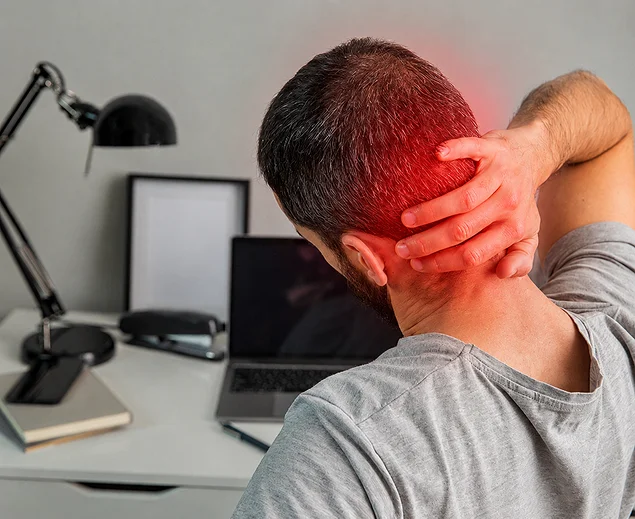
  • Back of the head: Cervical spine strain or nerve irritation

  • One-sided pain: Common in migraine patterns

  • Forehead and eyes: Typically sinus-related

  • Band-like pressure: Characteristic of tension headaches

  • Headaches linked with jaw pain

Causes

What Are The Causes of Headaches?

Headaches are usually caused by a combination of mechanical, neurological, and lifestyle factors. When the underlying cause goes unaddressed, headaches tend to become more frequent and complex over time.

Common reasons for headaches include:

  • Poor posture and prolonged screen exposure
  • Muscle tension in the neck and shoulders
  • Cervical spine dysfunction (pain at the back of the head)
  • Nerve irritation or sensitivity
  • Sinus infections or allergies
  • Headache linked to jaw dysfunction
  • Stress, sleep disturbances, and hormonal fluctuations
  • Dehydration or irregular meals
What Are The Causes of Headaches?
What Are The Symptoms of Headache?

Symptoms

What Are The Symptoms of Headache?

Headaches present differently depending on their cause. Recognising the pattern is the first step towards accurate diagnosis.

Common symptoms include:

  • Dull, aching, or throbbing pain
  • Pressure around the forehead, temples, or eyes
  • Back of the head pain with neck stiffness
  • Tight, band-like sensation across the head
  • Jaw pain associated with headaches
  • Sensitivity to light, sound, or smell
  • Nausea or dizziness in more intense episodes

Pain consistently triggered by posture, screen use, or stress usually points to a specific, identifiable cause.

Treatment

What Are The Treatment Options for Headache?

Treatment for headache at Painacea is guided by cause, not symptoms. The approach is non-surgical first, with interventions selected based on what is actually driving the pain.

Precision-Guided Interventions

For nerve and spine-related headaches, options include:

  • Image-guided nerve blocks for targeted, longer-lasting relief
  • Radiofrequency ablation for cervicogenic headaches and spine-related pain patterns
  • Cryoablation in select cases involving occipital nerve-related pain

Physiotherapy and Movement Correction

For tension headache treatment, this targets:

  • Posture and spinal alignment
  • Muscle imbalance and neck tension
  • Mechanical contributors to recurrence

Sinus and Trigger Management

For sinus headache treatment, the focus is on:

  • Managing underlying inflammation
  • Identifying environmental or dietary triggers
  • Addressing sleep, hydration, and stress

Long-Term Pain Control

Across all types of headaches and causes, the goal is predictable, long-term control by:

  • Reducing recurrence
  • Minimising dependence on medication
  • Giving patients clarity on what drives their pain and how to manage it

Precision-Guided Interventions

For nerve and spine-related headaches, options include:

  • Image-guided nerve blocks for targeted, longer-lasting relief
  • Radiofrequency ablation for cervicogenic headaches and spine-related pain patterns
  • Cryoablation in select cases involving occipital nerve-related pain
Physiotherapy and Movement Correction

For tension headache treatment, this targets:

  • Posture and spinal alignment
  • Muscle imbalance and neck tension
  • Mechanical contributors to recurrence

Sinus and Trigger Management

For sinus headache treatment, the focus is on:

  • Managing underlying inflammation
  • Identifying environmental or dietary triggers
  • Addressing sleep, hydration, and stress

Long-Term Pain Control

Across all types of headaches and causes, the goal is predictable, long-term control by:

  • Reducing recurrence
  • Minimising dependence on medication
  • Giving patients clarity on what drives their pain and how to manage it
Painacea

Why Choose Us

Why Choose Painacea?

Care is centred on identifying the source of pain and delivering targeted, effective solutions.

  • list icon

    17+ years of experience in pain medicine and anesthesiology

  • list icon

    Specialist in minimally invasive, image-guided interventions

  • list icon

    Strong focus on precise diagnosis before treatment

  • list icon

    Expertise in managing complex spine, nerve, and pain conditions

  • list icon

    International training across USA, Europe, and South Korea

  • list icon

    Academic leadership as Professor and Fellowship Mentor

Book a Specialist Consultation

FAQs

Frequently Asked Questions

Relief depends on the cause. Hydration, rest, and over-the-counter medication can help occasional headaches. For recurring ones, targeted treatments such as nerve blocks, physiotherapy, or trigger management provide more lasting control than pain relief alone.

Relief depends on the cause. Hydration, rest, and over-the-counter medication can help occasional headaches. For recurring ones, targeted treatments such as nerve blocks, physiotherapy, or trigger management provide more lasting control than pain relief alone.

Relief depends on the cause. Hydration, rest, and over-the-counter medication can help occasional headaches. For recurring ones, targeted treatments such as nerve blocks, physiotherapy, or trigger management provide more lasting control than pain relief alone.

Relief depends on the cause. Hydration, rest, and over-the-counter medication can help occasional headaches. For recurring ones, targeted treatments such as nerve blocks, physiotherapy, or trigger management provide more lasting control than pain relief alone.

Relief depends on the cause. Hydration, rest, and over-the-counter medication can help occasional headaches. For recurring ones, targeted treatments such as nerve blocks, physiotherapy, or trigger management provide more lasting control than pain relief alone.

Contact

Considering Further Evaluation for Persistent Pain?

A consultation can help determine appropriate next steps based on your condition.

hello@painacea.in +91 94192 00497

First Floor, Shrikant Chambers - c, 125, B Wing, next to RK Studios, Chembur, Mumbai - 400071

    Get a Precise Diagnosis