
Conditions

Face Joint Athropathy

Specialist-Led Pain Evaluation and Care

Overview

Specialist-Led Pain Evaluation and Care

Precision in diagnosis. Clarity in treatment.

Facet joint arthropathy is one of the most underdiagnosed causes of chronic spinal pain. In most cases, it is driven by specific structural changes in the spine that worsen progressively without targeted intervention.

At Painacea, facet joint arthropathy care is built around identifying the exact source of pain and treating it with targeted, minimally invasive solutions designed for long-term control, not temporary relief.

Painacea is defined by:

  • Precision-led, minimally invasive approach
  • Specialist diagnosis, not symptom-based treatment
  • Focus on long-term control and functional recovery
Book a Specialist Consultation

About

What Is Facet Joint Arthropathy?

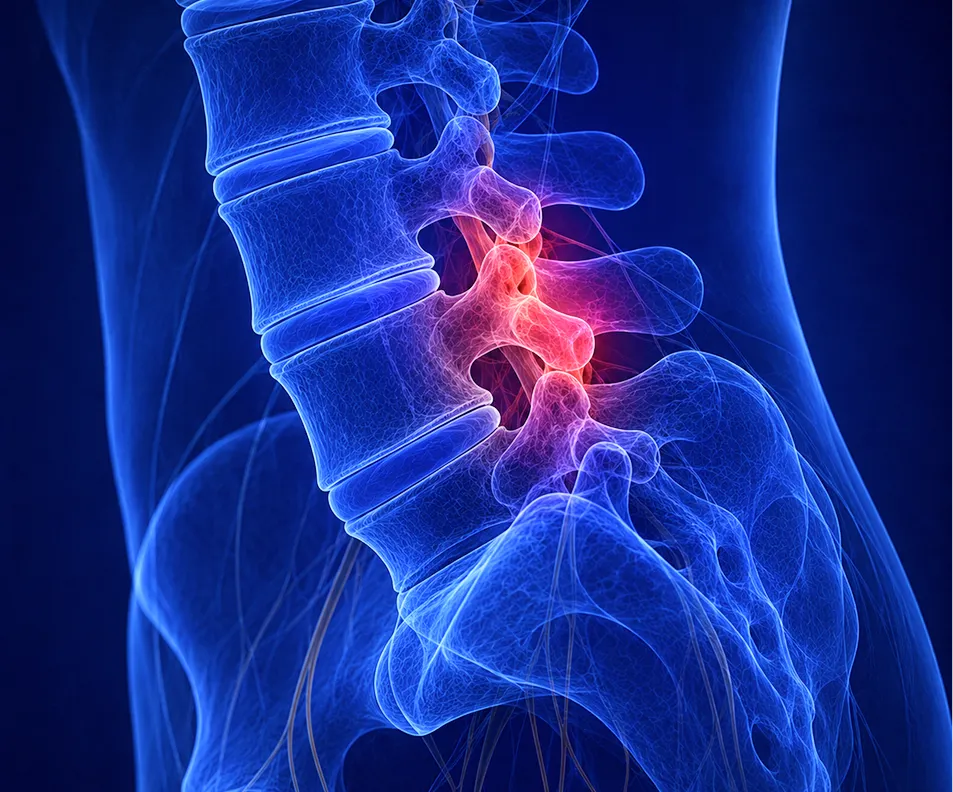
Facet joint arthropathy, also referred to as facet joint syndrome, is a degenerative condition affecting the small synovial joints at the back of the spine. These joints connect adjacent vertebrae and enable controlled spinal movement.
What Is Facet Joint Arthropathy?

As they degenerate, cartilage breaks down, leading to:

  • Bone-on-bone friction and joint inflammation

  • Development of bony growths called osteophytes

  • Localised pain, stiffness, and restricted movement

  • Nerve compression in more advanced cases

Regions Affected:

  • Cervical: Neck, causing headaches, shoulder pain, and restricted movement

  • Thoracic: Mid-back, the least common presentation

  • Lumbar: Lower back, the most frequently diagnosed form

Causes

What Are The Causes of Facet Joint Arthropathy?

Facet joint arthropathy develops when cumulative stress on the spinal joints exceeds the body’s ability to repair and maintain cartilage integrity.

Contributing factors include:

  • Age-related degeneration of spinal cartilage
  • Repetitive mechanical stress on the spine from occupation or physical activity
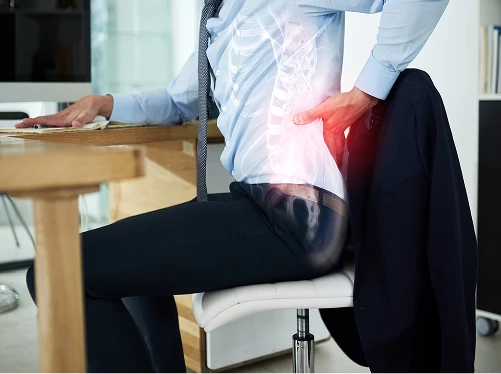
  • Poor posture sustained over prolonged periods
  • Previous spinal injury or trauma
  • Excess body weight increasing load on the lumbar facet joints
  • Intervertebral disc degeneration, which transfers abnormal forces onto the facet joints
  • Inflammatory conditions such as osteoarthritis or rheumatoid arthritis
  • Genetic predisposition to accelerated cartilage breakdown
What Are The Causes of Facet Joint Arthropathy?
What Are The Symptoms of Facet Joint Arthropathy?

Symptoms

What Are The Symptoms of Facet Joint Arthropathy?

Facet joint arthropathy symptoms vary depending on the spinal region affected and the stage of degeneration. Recognising the pattern is the first step toward accurate diagnosis.

Common symptoms include:

  • Localised aching or stiffness at the back of the neck or along the spine
  • Pain that worsens with spinal extension, such as bending backward or standing for prolonged periods
  • Pain that eases with forward flexion or sitting
  • Morning stiffness that improves with movement
  • Referred pain into the shoulders, arms, buttocks, or thighs depending on the level affected
  • Restricted range of spinal movement
  • Tenderness on direct pressure over the affected facet joints
  • In advanced cases, radiating nerve pain if osteophytes compress adjacent nerve roots

Facet joint arthropathy symptoms are often aggravated by prolonged standing, twisting movements, and transitions from sitting to standing. They are frequently misattributed to muscular pain or disc-related conditions, which is why specialist diagnosis is essential before treatment begins.

Treatment

What Are The Treatment Options for Facet Joint Arthropathy?

Treatment at Painacea is guided by the stage and severity of the condition, not symptoms alone. The approach is non-surgical first, with interventions selected based on what is structurally driving the pain.

Precision-Guided Interventions

For nerve and spine-related facet joint pain, targeted options include:

  • Radiofrequency ablation to disrupt the pain signal at the medial branch nerves
  • Cryoablation using precisely targeted extreme cold as a clinically effective
  • Image-guided nerve blocks for targeted, immediate pain relief in acute presentations

Minimally Invasive Spine Procedures

For advanced facet joint arthropathy involving nerve compression or structural complications:

  • For direct visualisation and treatment of the pain source
  • Significantly reduced recovery time compared to conventional surgical approaches
  • Targeted access to the affected spinal level with minimal disruption to surrounding tissue

Regenerative Therapy 

For earlier stage facet joint arthropathy where structural preservation remains possible:

  • Platelet-rich plasma therapy to support cartilage repair and reduce joint inflammation
  • Biologic treatments targeting the underlying degeneration
  • Particularly effective in slowing disease progression in appropriate candidates

Long-Term Pain Control

Across all stages, the goal is sustained, predictable relief:

  • Reducing recurrence and minimising dependence on pain medication
  • Restoring functional spinal movement and quality of life
  • Giving patients a clear, structured plan for managing their condition long term

Precision-Guided Interventions

For nerve and spine-related facet joint pain, targeted options include:

  • Radiofrequency ablation to disrupt the pain signal at the medial branch nerves
  • Cryoablation using precisely targeted extreme cold as a clinically effective
  • Image-guided nerve blocks for targeted, immediate pain relief in acute presentations

Minimally Invasive Spine Procedures

For advanced facet joint arthropathy involving nerve compression or structural complications:

  • For direct visualisation and treatment of the pain source
  • Significantly reduced recovery time compared to conventional surgical approaches
  • Targeted access to the affected spinal level with minimal disruption to surrounding tissue

Regenerative Therapy 

For earlier stage facet joint arthropathy where structural preservation remains possible:

  • Platelet-rich plasma therapy to support cartilage repair and reduce joint inflammation
  • Biologic treatments targeting the underlying degeneration
  • Particularly effective in slowing disease progression in appropriate candidates

Long-Term Pain Control

Across all stages, the goal is sustained, predictable relief:

  • Reducing recurrence and minimising dependence on pain medication
  • Restoring functional spinal movement and quality of life
  • Giving patients a clear, structured plan for managing their condition long term
Painacea

Why Choose Us

Why Choose Painacea?

Care is centred on identifying the source of pain and delivering targeted, effective solutions.

  • list icon

    17+ years of experience in pain medicine and anesthesiology

  • list icon

    Specialist in minimally invasive, image-guided interventions

  • list icon

    Strong focus on precise diagnosis before treatment

  • list icon

    Expertise in managing complex spine, nerve, and pain conditions

  • list icon

    International training across USA, Europe, and South Korea

  • list icon

    Academic leadership as Professor and Fellowship Mentor

Book a Specialist Consultation

FAQs

Frequently Asked Questions

Treatment depends on the stage and severity. Options range from radiofrequency ablation and cryoablation for nerve-related pain, to regenerative therapies like platelet-rich plasma for earlier stage degeneration, and minimally invasive endoscopic procedures for advanced cases with nerve compression.

It is a progressive condition that worsens without targeted intervention. While it is not life-threatening, advanced stages can significantly impact mobility, quality of life, and in some cases compress spinal nerves, making early diagnosis and management important.

Full reversal is not possible as cartilage loss is permanent. However, progression can be slowed, symptoms can be significantly reduced, and function can be restored with the right combination of regenerative and interventional treatments.

Arthropathy is a broad term for any joint disease or dysfunction. Arthritis is a specific type of arthropathy characterised by joint inflammation. Facet joint arthropathy refers to degenerative change in the spinal facet joints, which may or may not involve active inflammation.

A pain medicine specialist or interventional pain physician is best placed to diagnose and treat facet joint arthropathy, particularly one with expertise in image-guided spinal procedures and minimally invasive pain management.

Contact

Considering Further Evaluation for Persistent Pain?

A consultation can help determine appropriate next steps based on your condition.

hello@painacea.in +91 94192 00497

First Floor, Shrikant Chambers - c, 125, B Wing, next to RK Studios, Chembur, Mumbai - 400071

    Get a Precise Diagnosis