Conditions

Sciatica

Specialist-Led Pain Evaluation and Care

Overview

Specialist-Led Pain Evaluation and Care

Precision in diagnosis. Clarity in treatment.

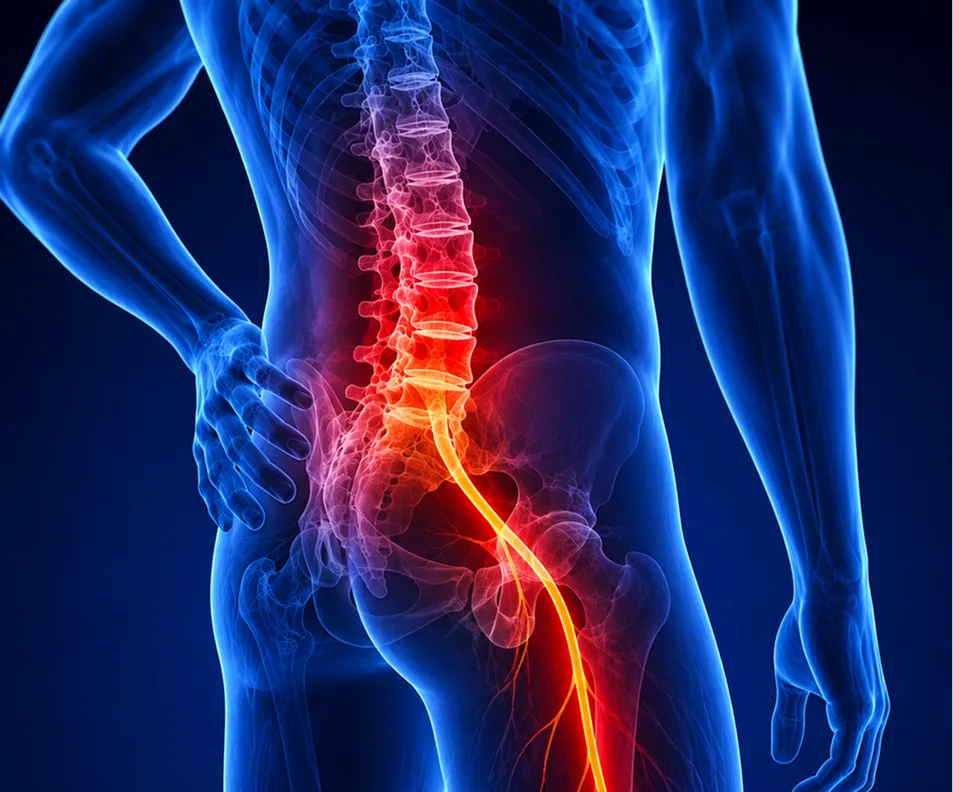
Sciatica pain is not just back pain. It is a nerve-related condition that often begins in the lower spine and travels through the buttock into the leg.

At Painacea, sciatica care is centred on identifying the exact cause of sciatic nerve pain, whether it is a disc issue, nerve compression, or piriformis syndrome, and treating it with targeted, minimally invasive solutions focused on long-term relief, not repeated flare-ups.

Painacea is defined by:

  • Precision-led, minimally invasive approach
  • Specialist diagnosis, not symptom-based treatment
  • Focus on long-term control and functional recovery
Book a Specialist Consultation

About

What Is Sciatica?

Sciatica refers to pain caused by irritation or compression of the sciatic nerve, the largest nerve in the body. It usually originates in the lower spine and travels through the buttock into the leg.
What Is Sciatica?

Common conditions associated with sciatica include:

  • Disc herniation or bulge

  • Spinal canal narrowing

  • Piriformis syndrome

  • Nerve root compression

  • Degenerative spine conditions

Causes

What Are the causes of Sciatica?

Sciatica pain causes are usually mechanical and nerve-related.

Common Causes:

  • Slipped or herniated disc
  • Spinal degeneration with age
  • Prolonged sitting or poor posture
  • Muscle imbalance or tightness
  • Piriformis muscle compression
  • Injury or strain to the lower back
  • Reasons for sciatic nerve pain linked to lifestyle and activity patterns
What Are the causes of Sciatica?
What Are the Common Symptoms of Sciatica?

Symptoms

What Are the Common Symptoms of Sciatica?

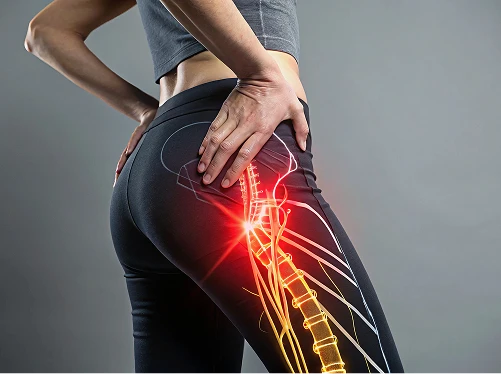
Sciatica symptoms typically follow a nerve distribution pattern rather than staying localised.

Common symptoms include:

  • Sharp or burning sciatica pain radiating down the leg
  • Pain in back of leg extending from lower back or buttock
  • Buttock pain that worsens with sitting
  • Tingling, numbness, or nerve pulling in leg
  • Weakness in the affected leg or foot
  • Pain that worsens with bending, coughing, or prolonged sitting
  • Sciatic nerve pain symptoms affecting one side more commonly
  • Pain travelling through typical sciatica pain areas

Early symptoms may be intermittent but often progress if untreated.

Treatment

What Are the Treatment Options for Sciatica?

Sciatica Treatment (Non-Surgical First Approach) Sciatica treatments are guided by cause, severity, and functional limitation.

Precision-Guided Interventions 

  • Injection for sciatica targeting inflamed nerve roots
  • Sciatica epidural steroid injection in selected cases
  • Image-guided procedures for persistent nerve pain

Physiotherapy and Sciatica Therapy

  • Exercises for sciatica pain focused on nerve mobility
  • Strengthening and flexibility training
  • Piriformis syndrome exercises when indicated
  • Posture and movement correction

Medication Support When Needed

  • Short-term use of sciatica medication for pain and inflammation
  • Used as part of a structured treatment plan

Lifestyle and Activity Modification

  • Reducing strain on the lower spine
  • Improving sitting and movement habits
  • Preventing recurrence

Surgical Referral When Required

  • Sciatica surgery considered in severe or non-responsive cases
  • Only when conservative and interventional care fails

Precision-Guided Interventions 

  • Injection for sciatica targeting inflamed nerve roots
  • Sciatica epidural steroid injection in selected cases
  • Image-guided procedures for persistent nerve pain

Physiotherapy and Sciatica Therapy

  • Exercises for sciatica pain focused on nerve mobility
  • Strengthening and flexibility training
  • Piriformis syndrome exercises when indicated
  • Posture and movement correction

Medication Support When Needed

  • Short-term use of sciatica medication for pain and inflammation
  • Used as part of a structured treatment plan

Lifestyle and Activity Modification

  • Reducing strain on the lower spine
  • Improving sitting and movement habits
  • Preventing recurrence

Surgical Referral When Required

  • Sciatica surgery considered in severe or non-responsive cases
  • Only when conservative and interventional care fails
Painacea

Why Choose Us

Why Choose Painacea?

Care is centred on identifying the source of pain and delivering targeted, effective solutions.

  • list icon

    17+ years of experience in pain medicine and anesthesiology

  • list icon

    Specialist in minimally invasive, image-guided interventions

  • list icon

    Strong focus on precise diagnosis before treatment

  • list icon

    Expertise in managing complex spine, nerve, and pain conditions

  • list icon

    International training across USA, Europe, and South Korea

  • list icon

    Academic leadership as Professor and Fellowship Mentor

Book a Specialist Consultation

FAQs

Frequently Asked Questions

Pain radiating from the lower back to the leg, numbness, tingling, and weakness are typical.

Common causes include disc herniation, nerve compression, and muscle-related conditions like piriformis syndrome.

The best treatment depends on the cause and may include physiotherapy, injections, and lifestyle changes.

Yes, targeted exercises for sciatica pain help improve mobility and reduce nerve compression.

Sciatica surgery is considered in severe cases or when other treatments fail.

If pain persists, worsens, or affects movement and daily life, specialist evaluation is recommended.

Contact

Considering Further Evaluation for Persistent Pain?

A consultation can help determine appropriate next steps based on your condition.

hello@painacea.in +91 94192 00497

First Floor, Shrikant Chambers - c, 125, B Wing, next to RK Studios, Chembur, Mumbai - 400071

    Get a Precise Diagnosis