

Conditions

Rotator Cuff Tear

Specialist-Led Pain Evaluation and Care

Overview

Specialist-Led Pain Evaluation and Care

Precision in diagnosis. Clarity in treatment.

Shoulder pain is rarely just wear and tear. In many cases, it is driven by dysfunction or injury within the rotator cuff muscles and tendons, affecting shoulder stability, strength, and movement.

At Painacea, rotator cuff tear treatment is focused on identifying the exact source of pain, whether it is a supraspinatus tendon tear, rotator cuff tendinitis, or shoulder impingement, and treating it with targeted, minimally invasive solutions designed for long-term recovery, not temporary relief.

Painacea is defined by:

  • Precision-led, minimally invasive approach
  • Specialist diagnosis, not symptom-based treatment
  • Focus on long-term control and functional recovery

About

What Is a Rotator Cuff Tear?

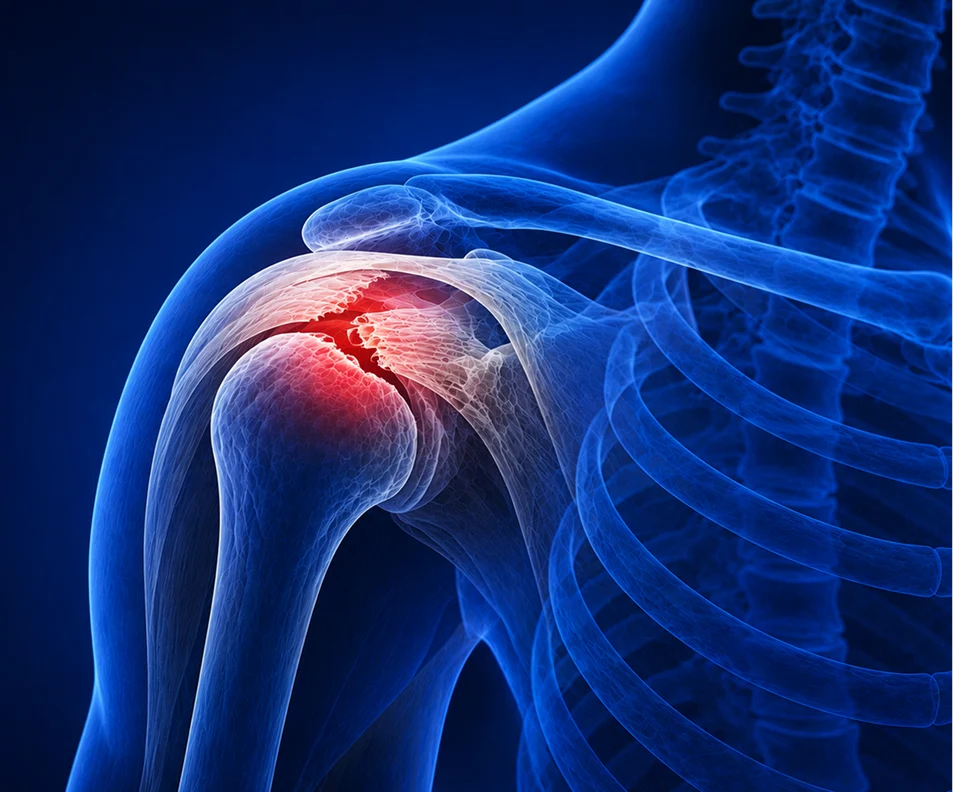
The rotator cuff is a group of muscles and tendons that stabilise the shoulder joint and enable smooth arm movement. A rotator cuff tear occurs when one or more of these tendons become damaged or torn, either partially or completely, affecting strength, mobility, and overall shoulder function.
What Is a Rotator Cuff Tear?

Most cases of rotator cuff injury involve:

  • Partial or complete tearing of the rotator cuff tendons

  • Degenerative changes within the tendon over time

  • Repetitive strain from overhead activities

  • Inflammation associated with rotator cuff tendinitis

  • Mechanical compression of tendons in cases of shoulder impingement

The pattern often tells you more than the intensity:

  • Pain at the top or outer part of the shoulder: commonly linked to rotator cuff tendon involvement

  • Pain during overhead movement: often suggests impingement or tendon dysfunction

  • Weakness while lifting or rotating the arm: indicates more significant tendon injury

  • Persistent night pain: may suggest a larger tear or ongoing inflammation requiring assessment

Causes

What Are the Causes of a Rotator Cuff Tear?

Rotator cuff tears typically develop due to a combination of mechanical stress, degeneration, and lifestyle factors. When the underlying contributors go unaddressed, tendon damage can progress and symptoms become more persistent.

Common causes include:

  • Repetitive overhead movements involving work or sports
  • Age-related tendon degeneration and reduced tissue resilience
  • Sudden trauma such as a fall or shoulder injury
  • Poor posture and abnormal shoulder mechanics
  • Untreated shoulder impingement causing repeated tendon irritation
  • Weakness or imbalance within the shoulder stabilising muscles
  • Chronic inflammation affecting tendon health
  • Occupational activities requiring repetitive shoulder use
What Are the Causes of a Rotator Cuff Tear?
What Are the Symptoms of a Rotator Cuff Tear?

Symptoms

What Are the Symptoms of a Rotator Cuff Tear?

Rotator cuff tear symptoms vary depending on the severity of tendon injury and the structures involved. Recognising the pattern is the first step towards accurate diagnosis and effective treatment.

Common symptoms include:

  • Persistent shoulder pain, especially with movement
  • Pain while lifting the arm or reaching overhead
  • Weakness in the shoulder or arm
  • Difficulty sleeping on the affected side
  • Clicking, catching, or grinding sensations within the shoulder
  • Reduced range of motion and stiffness
  • Pain radiating into the upper arm

Symptoms that progressively worsen, limit daily activities, or significantly affect shoulder strength warrant specialist evaluation.

Treatment

What Are the Treatment Options for a Rotator Cuff Tear?

Treatment at Painacea is guided by cause, severity, and functional goals rather than imaging findings alone. The approach is non-surgical first, with interventions selected based on what is actually driving the pain and dysfunction.

Precision-Guided Interventions

For shoulder pain arising from rotator cuff injury:

  • Image-guided injections to reduce inflammation and improve pain control
  • Targeted interventions for shoulder impingement and tendon irritation
  • Diagnostic injections to accurately identify the pain source
  • Minimally invasive procedures where conservative measures have been insufficient

Physiotherapy and Movement Correction

For addressing mechanical contributors and restoring long-term function:

  • Strengthening of the rotator cuff and shoulder stabilising muscles
  • Improvement of shoulder mechanics and movement patterns
  • Restoration of flexibility, mobility, and joint control
  • Postural correction to reduce strain on the shoulder complex

Conservative and Supportive Management

For ongoing symptom control alongside targeted interventions:

  • Activity modification to avoid aggravating movements
  • Structured rehabilitation programmes
  • Anti-inflammatory medications where clinically appropriate
  • Patient education on shoulder protection and long-term self-management

Surgical Options

For cases that do not respond to conservative and minimally invasive treatment:

  • Arthroscopic rotator cuff repair for significant tendon tears
  • Surgical decompression in selected cases of persistent shoulder impingement
  • Reconstruction procedures for complex or chronic tears
  • Surgery is recommended only after thorough assessment and failure of appropriate non-surgical options

Precision-Guided Interventions

For shoulder pain arising from rotator cuff injury:

  • Image-guided injections to reduce inflammation and improve pain control
  • Targeted interventions for shoulder impingement and tendon irritation
  • Diagnostic injections to accurately identify the pain source
  • Minimally invasive procedures where conservative measures have been insufficient

Physiotherapy and Movement Correction

For addressing mechanical contributors and restoring long-term function:

  • Strengthening of the rotator cuff and shoulder stabilising muscles
  • Improvement of shoulder mechanics and movement patterns
  • Restoration of flexibility, mobility, and joint control
  • Postural correction to reduce strain on the shoulder complex

Conservative and Supportive Management

For ongoing symptom control alongside targeted interventions:

  • Activity modification to avoid aggravating movements
  • Structured rehabilitation programmes
  • Anti-inflammatory medications where clinically appropriate
  • Patient education on shoulder protection and long-term self-management

Surgical Options

For cases that do not respond to conservative and minimally invasive treatment:

  • Arthroscopic rotator cuff repair for significant tendon tears
  • Surgical decompression in selected cases of persistent shoulder impingement
  • Reconstruction procedures for complex or chronic tears
  • Surgery is recommended only after thorough assessment and failure of appropriate non-surgical options
Painacea

Why Choose Us

Why Choose Painacea?

Care is centred on identifying the source of pain and delivering targeted, effective solutions.

  • list icon

    17+ years of experience in pain medicine and anesthesiology

  • list icon

    Specialist in minimally invasive, image-guided interventions

  • list icon

    Strong focus on precise diagnosis before treatment

  • list icon

    Expertise in managing complex spine, nerve, and pain conditions

  • list icon

    International training across USA, Europe, and South Korea

  • list icon

    Academic leadership as Professor and Fellowship Mentor

Book a Specialist Consultation

FAQs

Frequently Asked Questions

Common symptoms include shoulder pain, weakness, difficulty lifting the arm, reduced range of motion, and discomfort that worsens with overhead activities or while sleeping on the affected side.

Rotator cuff tears can result from repetitive strain, age-related tendon degeneration, trauma, sports injuries, poor shoulder mechanics, and untreated shoulder impingement.

Many partial tears and tendon injuries improve with physiotherapy, activity modification, and targeted non-surgical treatments. Surgery is not required for every patient.

Surgery may be considered for complete tears, significant loss of shoulder function, persistent weakness, or when conservative treatment has not provided adequate improvement.

If shoulder pain persists, worsens over time, affects sleep, limits arm movement, or is associated with weakness, specialist evaluation is recommended to identify the exact cause and prevent progression.

Contact

Considering Further Evaluation for Persistent Pain?

A consultation can help determine appropriate next steps based on your condition.

hello@painacea.in +91 94192 00497

First Floor, Shrikant Chambers - c, 125, B Wing, next to RK Studios, Chembur, Mumbai - 400071

    Get a Precise Diagnosis