
Conditions

Stress Fractures of the Hip

Specialist-Led Pain Evaluation and Care

Overview

Specialist-Led Pain Evaluation and Care

Precision in diagnosis. Clarity in treatment.

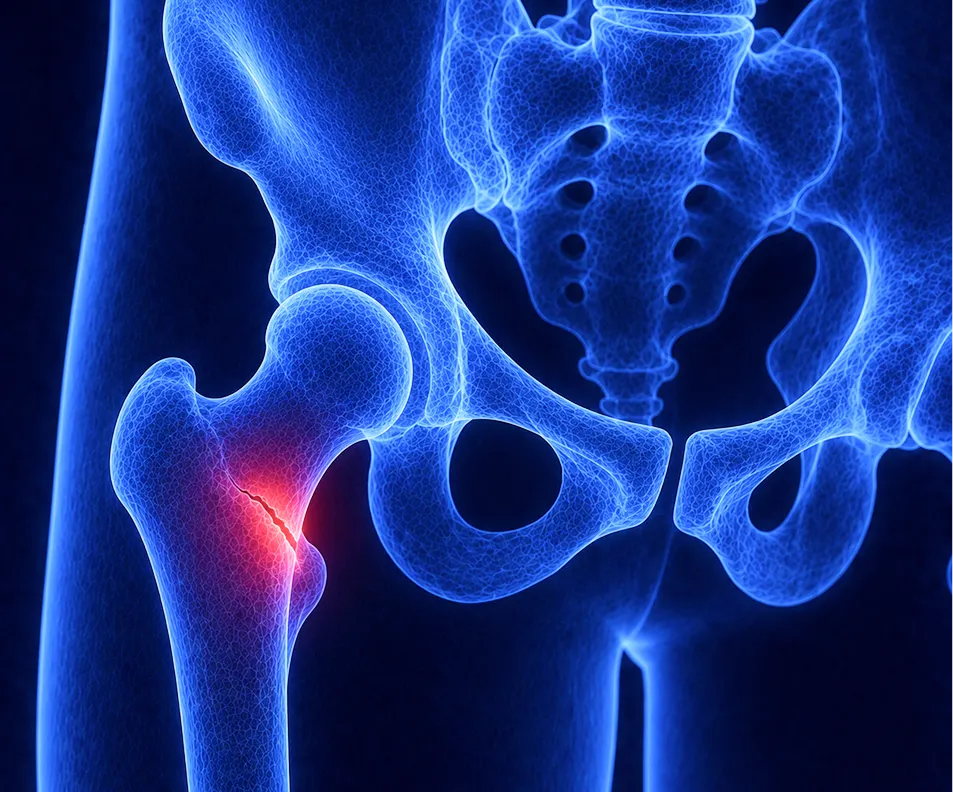
A hip stress fracture is a serious injury that is frequently missed in its early stages. When it goes unidentified or is managed incorrectly, what begins as a small crack in the bone can progress to a complete fracture with significant consequences for long-term hip function.

At Painacea, hip stress fracture care is built around accurate, timely diagnosis and a structured treatment plan designed to protect the bone, manage pain effectively, and restore full function safely.

Painacea is defined by:

  • Precision-led, minimally invasive approach
  • Specialist diagnosis, not symptom-based treatment
  • Focus on long-term control and functional recovery
Book a Specialist Consultation

About

What Is a Stress Fracture of the Hip?

A stress fracture is a small crack or area of severe bone bruising caused by repetitive mechanical loading rather than a single traumatic impact. In the hip, stress fractures most commonly occur at the femoral neck, the narrow section of the thigh bone just below the ball of the hip joint, which must withstand considerable force even during normal daily activities such as standing and walking.
What Is a Stress Fracture of the Hip?

Hip stress fractures are classified by their location and stability:

  • Compression fractures on the underside of the femoral neck, more stable and more likely to heal with conservative management

  • Tension fractures on the upper side of the femoral neck, less stable and at higher risk of displacement, often requiring surgical fixation

  • Displaced fractures where the bone has cracked completely through, a serious injury requiring urgent surgical attention

  • Early and accurate classification determines the entire treatment pathway.

Causes

What Are the Causes of Stress Fractures of the Hip?

Hip stress fractures develop when bone is repeatedly loaded beyond its capacity to repair. Both training-related and underlying health factors contribute to this process.

Common causes and risk factors include:

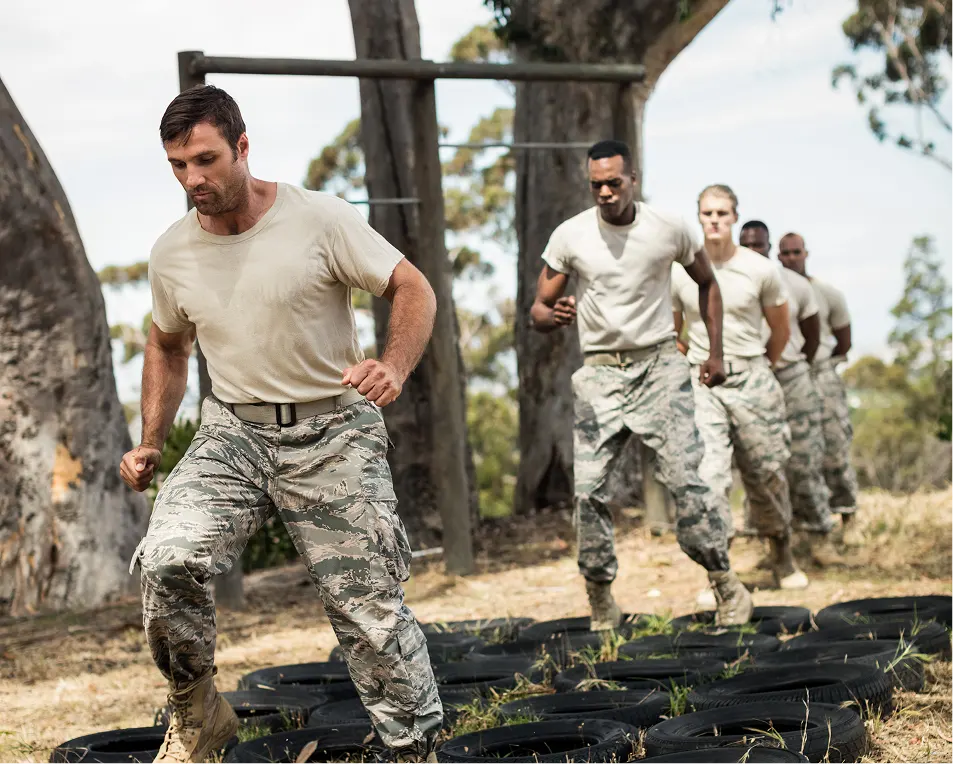
  • A sudden increase in training volume or intensity, particularly in runners and military personnel
  • Running on hard or uneven surfaces placing greater repetitive stress on the femoral neck
  • Low bone mineral density, either age-related or associated with nutritional deficiency
  • Low body weight or low BMI reducing bone strength and resilience
  • Hormonal factors, including oestrogen deficiency in female athletes and perimenopausal women
  • Calcium and vitamin D deficiency impairing bone remodelling
  • Insufficient recovery time between high-impact training sessions
  • Anatomical factors such as leg length discrepancy or excessive foot pronation altering loading patterns
What Are the Causes of Stress Fractures of the Hip?
What Are the Symptoms of Stress Fractures of the Hip?

Symptoms

What Are the Symptoms of Stress Fractures of the Hip?

Stress fracture symptoms in the hip develop gradually and are frequently attributed to muscle strain or other soft tissue injuries in the early stages. Recognising the pattern is essential for timely diagnosis.

Common symptoms include:

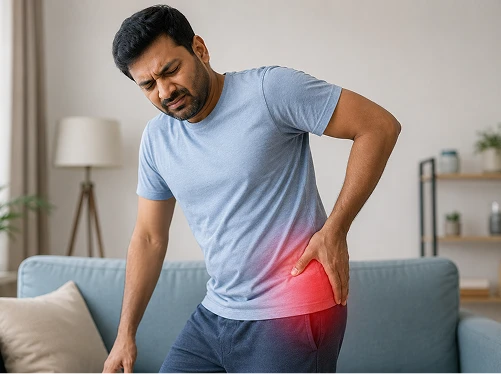
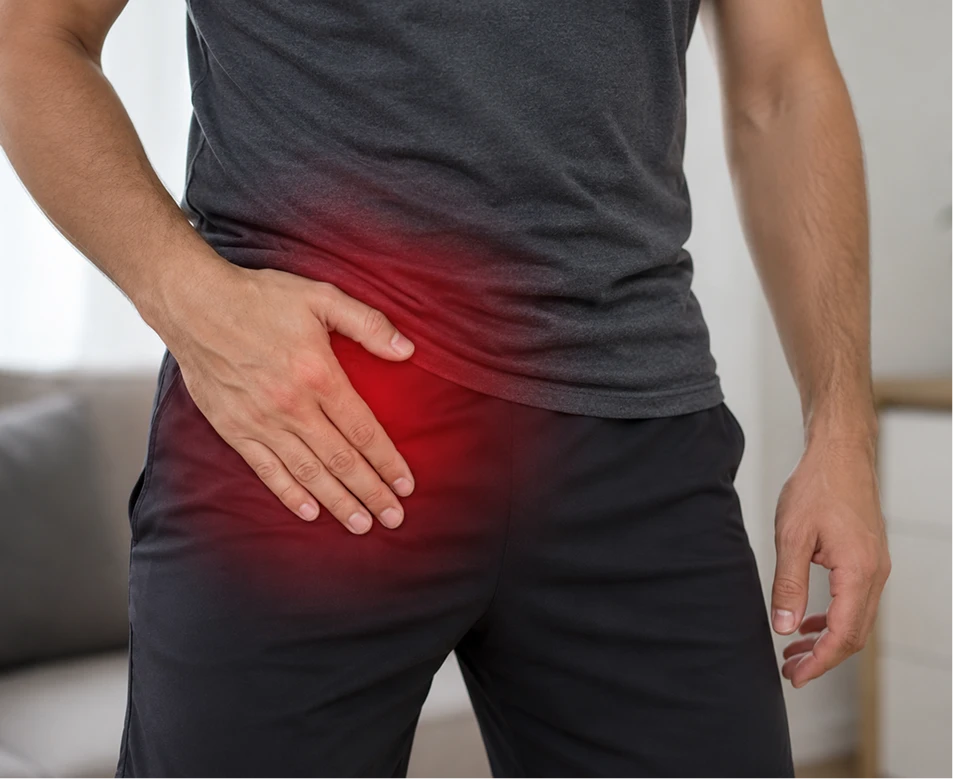
  • Gradual onset of groin or hip pain that worsens with weight-bearing activity and running
  • Pain that initially eases with rest but becomes more persistent as the fracture progresses
  • Tenderness over the front of the hip or groin on palpation
  • Pain with single-leg weight-bearing or hopping on the affected side
  • Stiffness or reduced internal rotation of the hip joint
  • In advanced or displaced fractures, pain at rest and significant difficulty walking
  • Symptoms that have been building over weeks rather than following a single incident

Pain that consistently worsens with loading and is located in the groin or front of the hip following a change in activity level requires prompt specialist assessment.

Treatment

What Are the Treatment Options for Stress Fractures of the Hip?

Treatment at Painacea is guided by the type, location, and severity of the fracture. The priority is protecting the bone while managing pain effectively and supporting a structured return to activity.

Conservative Management

For compression-type stress fractures and early stress reactions:

  • Structured rest and activity modification to remove loading from the affected femoral neck
  • Protected weight-bearing with crutches during the initial healing phase
  • Calcium and vitamin D optimisation to support bone remodelling
  • Nutritional assessment and correction of any underlying deficiencies contributing to reduced bone resilience
  • Regular imaging to monitor fracture healing and guide the return to loading
Pain Management

For pain control during the recovery period:

  • Targeted anti-inflammatory medication to reduce pain and support comfort during restricted weight-bearing
  • Regenerative therapies to support bone healing in select cases where bone health optimisation is part of the management plan

Physiotherapy and Rehabilitation

Once pain settles and imaging confirms adequate healing:

  • Progressive hip strengthening targeting the abductors, flexors, and rotators to restore dynamic stability
  • Gait retraining to correct any biomechanical factors that contributed to the fracture
  • Guided return-to-activity programme with gradual reintroduction of loading, monitored against symptoms and imaging findings
  • Correction of training errors and footwear assessment to reduce the risk of recurrence

Conservative Management

For compression-type stress fractures and early stress reactions:

  • Structured rest and activity modification to remove loading from the affected femoral neck
  • Protected weight-bearing with crutches during the initial healing phase
  • Calcium and vitamin D optimisation to support bone remodelling
  • Nutritional assessment and correction of any underlying deficiencies contributing to reduced bone resilience
  • Regular imaging to monitor fracture healing and guide the return to loading
Pain Management

For pain control during the recovery period:

  • Targeted anti-inflammatory medication to reduce pain and support comfort during restricted weight-bearing
  • Regenerative therapies to support bone healing in select cases where bone health optimisation is part of the management plan

Physiotherapy and Rehabilitation

Once pain settles and imaging confirms adequate healing:

  • Progressive hip strengthening targeting the abductors, flexors, and rotators to restore dynamic stability
  • Gait retraining to correct any biomechanical factors that contributed to the fracture
  • Guided return-to-activity programme with gradual reintroduction of loading, monitored against symptoms and imaging findings
  • Correction of training errors and footwear assessment to reduce the risk of recurrence
Painacea

Why Choose Us

Why Choose Painacea?

Care is centred on identifying the source of pain and delivering targeted, effective solutions.

  • list icon

    17+ years of experience in pain medicine and anesthesiology

  • list icon

    Specialist in minimally invasive, image-guided interventions

  • list icon

    Strong focus on precise diagnosis before treatment

  • list icon

    Expertise in managing complex spine, nerve, and pain conditions

  • list icon

    International training across USA, Europe, and South Korea

  • list icon

    Academic leadership as Professor and Fellowship Mentor

Book a Specialist Consultation

FAQs

Frequently Asked Questions

A small crack in the femoral neck caused by repetitive loading rather than a single impact. It develops gradually and worsens if activity is not modified in time.

Gradual groin or hip pain worsening with activity, tenderness over the front of the hip, and pain with single-leg weight-bearing. Symptoms typically build over weeks following an increase in training.

MRI is the most accurate imaging method and can detect early stress reactions before they appear on X-ray. Clinical assessment including a hop test is usually the first step.

Most stress fractures take three to four months to heal with appropriate management. Return to full activity depends on fracture type, severity, and how closely the rehabilitation plan is followed.

Compression-type fractures often heal with conservative management including rest, protected weight-bearing, and structured rehabilitation. Tension-type and displaced fractures typically require surgical fixation due to the risk of displacement.

Contact

Considering Further Evaluation for Persistent Pain?

A consultation can help determine appropriate next steps based on your condition.

hello@painacea.in +91 94192 00497

First Floor, Shrikant Chambers - c, 125, B Wing, next to RK Studios, Chembur, Mumbai - 400071

    Get a Precise Diagnosis