Conditions

Whiplash Syndrome

Specialist-Led Pain Evaluation and Care

Overview

Specialist-Led Pain Evaluation and Care

Precision in diagnosis. Clarity in treatment.

Whiplash syndrome is not just a neck sprain that fades with rest. For many patients, it becomes a persistent, debilitating condition that disrupts daily life long after the original injury. Whether it follows a road accident, a sports collision, or a fall, whiplash injury syndrome involves a complex chain of damage to muscles, ligaments, nerves, and the cervical spine that standard care often addresses only on the surface.

At Painacea,  whiplash syndrome is evaluated with the precision it deserves. The focus is on identifying the exact structures involved and delivering targeted, minimally invasive treatment designed for long-term recovery, not temporary symptom relief.

Painacea is defined by:

  • Precision-led, minimally invasive approach
  • Specialist diagnosis, not symptom-based treatment
  • Focus on long-term control and functional recovery
Book a Specialist Consultation

About

What Is Whiplash Syndrome?

Whiplash syndrome is not simply a neck sprain that fades with rest. Clinically referred to as Whiplash-Associated Disorders (WAD), it describes the full range of physical and neurological effects following a rapid, forceful back-and-forth movement of the neck. For many patients, it becomes a persistent, debilitating condition long after the original injury.
What Is Whiplash Syndrome?

Why it is more complex than a typical neck injury

  • Sudden impact forces the cervical spine beyond its normal range

  • Damage often does not show up on standard X-rays, making it easy to miss

  • Muscles, joints, nerves, and discs can all be affected at the same time

  • Treating it as a simple soft tissue injury is the most common reason symptoms keep returning

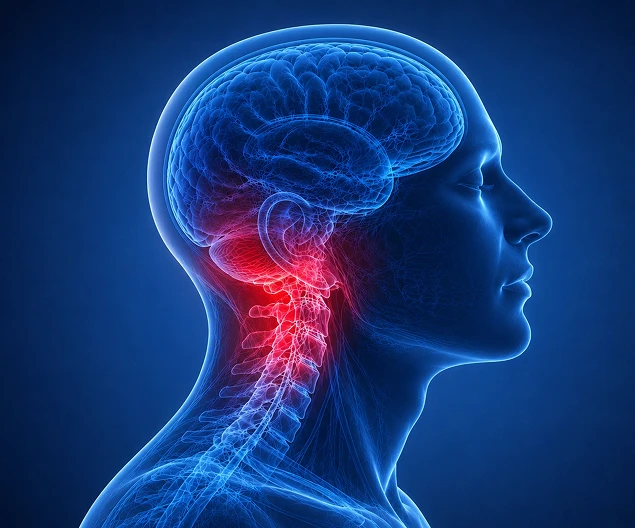
Where is your pain coming from?

  • Back of the head and upper neck: Usually cervical joint or ligament injury

  • Shoulders or arms: Suggests cervical nerve root involvement

  • Mid and lower neck: Typically muscular or disc-related

  • Jaw and face: May indicate temporomandibular joint involvement

  • Upper back stiffness: Often the body compensating for injured cervical structures

Causes

What Are The Causes of Whiplash Syndrome?

Whiplash injury syndrome is most commonly associated with rear-end motor vehicle collisions, but any event involving sudden, forceful neck movement can trigger it.

Common causes and triggers include:

  • Rear-end or side-impact road accidents
  • Contact sports such as football, rugby, or hockey
  • Falls involving sudden head movement
  • Physical trauma or assault
  • High-speed amusement rides
What Are The Causes of Whiplash Syndrome?
What Are the Symptoms of Trigeminal Neuralgia?

Symptoms

What Are the Symptoms of Trigeminal Neuralgia?

Whiplash symptoms do not always appear immediately. Some develop within hours; others emerge over days, which is one reason the condition is often underestimated early on.

Common symptoms include:

  • Neck pain and stiffness
  • Pain at the base of the skull, radiating into the shoulders and upper back
  • Headaches typically originating from the back of the head
  • Tingling, numbness, or weakness in the arms
  • Dizziness
  • Jaw pain
  • Blurred vision
  • Ringing in the ears
  • Difficulty concentrating
  • Sleep disturbances

Symptoms that do not resolve within a few weeks, or that worsen over time, require specialist evaluation.

Treatment

What Are The Treatment Options for Whiplash Syndrome?

Treatment for whiplash syndrompae at Dr. Verma’s is guided by the grade of injury, structures involved, and duration of symptoms. The approach is non-surgical first, with interventions selected based on what is driving the pain.

Precision-Guided Interventions

For cervical and nerve-related pain:

  • Image-guided nerve blocks for cervical pain and post-whiplash headaches
  • Radiofrequency ablation targeting the medial branch nerves of the cervical facet joints, effective for longer-term relief in chronic whiplash syndrome
  • Targeted injections for nerve root involvement or persistent muscular pain

Physiotherapy and Cervical Rehabilitation

  • Guided exercise to restore cervical range of motion
  • Postural correction for spinal compensation patterns
  • Strengthening of supporting musculature to reduce strain on injured structures

Acute Symptom Management

  • Appropriate analgesics and anti-inflammatory medication
  • Short-term cervical support where indicated
  • Cold therapy transitioning to warmth to support tissue healing

Lifestyle and Recovery Support

  • Identifying postures and activities that aggravate symptoms
  • Sleep and ergonomic guidance
  • Managing psychological factors known to influence recovery in whiplash injury syndrome

Long-Term Pain Control

Across all grades of whiplash syndrome, the goal is predictable, lasting recovery:

  • Reducing dependence on medication through targeted interventions
  • Structured monitoring and adjustment of the care plan as recovery progresses
  • Building resilience and preventing symptom escalation

Precision-Guided Interventions

For cervical and nerve-related pain:

  • Image-guided nerve blocks for cervical pain and post-whiplash headaches
  • Radiofrequency ablation targeting the medial branch nerves of the cervical facet joints, effective for longer-term relief in chronic whiplash syndrome
  • Targeted injections for nerve root involvement or persistent muscular pain

Physiotherapy and Cervical Rehabilitation

  • Guided exercise to restore cervical range of motion
  • Postural correction for spinal compensation patterns
  • Strengthening of supporting musculature to reduce strain on injured structures

Acute Symptom Management

  • Appropriate analgesics and anti-inflammatory medication
  • Short-term cervical support where indicated
  • Cold therapy transitioning to warmth to support tissue healing

Lifestyle and Recovery Support

  • Identifying postures and activities that aggravate symptoms
  • Sleep and ergonomic guidance
  • Managing psychological factors known to influence recovery in whiplash injury syndrome

Long-Term Pain Control

Across all grades of whiplash syndrome, the goal is predictable, lasting recovery:

  • Reducing dependence on medication through targeted interventions
  • Structured monitoring and adjustment of the care plan as recovery progresses
  • Building resilience and preventing symptom escalation
Painacea

Why Choose Us

Why Choose Painacea?

Care is centred on identifying the source of pain and delivering targeted, effective solutions.

  • list icon

    17+ years of experience in pain medicine and anesthesiology

  • list icon

    Specialist in minimally invasive, image-guided interventions

  • list icon

    Strong focus on precise diagnosis before treatment

  • list icon

    Expertise in managing complex spine, nerve, and pain conditions

  • list icon

    International training across USA, Europe, and South Korea

  • list icon

    Academic leadership as Professor and Fellowship Mentor

Book a Specialist Consultation

FAQs

Frequently Asked Questions

Whiplash syndrome refers to the full range of physical and neurological effects following a rapid, forceful back-and-forth movement of the neck. It can involve muscles, ligaments, nerves, and the cervical spine, and ranges from mild neck pain to significant nerve involvement.

Mild cases resolve within a few weeks with appropriate care. When symptoms persist beyond three months, it is classified as chronic whiplash syndrome and requires a structured, specialist-led treatment approach.

Treatment depends on the grade of injury. Physiotherapy, cervical rehabilitation, and lifestyle adjustments manage most cases. For persistent or complex whiplash injury syndrome, targeted interventions such as nerve blocks or radiofrequency ablation provide more lasting relief.

Pain most commonly affects the neck, base of the skull, and upper back. Depending on the structures involved, it can radiate into the shoulders, arms, or jaw. Headaches originating from the back of the head are also a frequent symptom.

Acute whiplash refers to symptoms in the immediate weeks following injury. Chronic whiplash syndrome is diagnosed when symptoms persist beyond three months and typically involves deeper structural damage that requires specialist evaluation and targeted treatment.

Contact

Considering Further Evaluation for Persistent Pain?

A consultation can help determine appropriate next steps based on your condition.

hello@painacea.in +91 94192 00497

First Floor, Shrikant Chambers - c, 125, B Wing, next to RK Studios, Chembur, Mumbai - 400071

    Get a Precise Diagnosis