

Immediately After
Mild soreness or temporary muscle spasms around the treatment area are normal and typically settle within one to two weeks.
Conditions
Overview
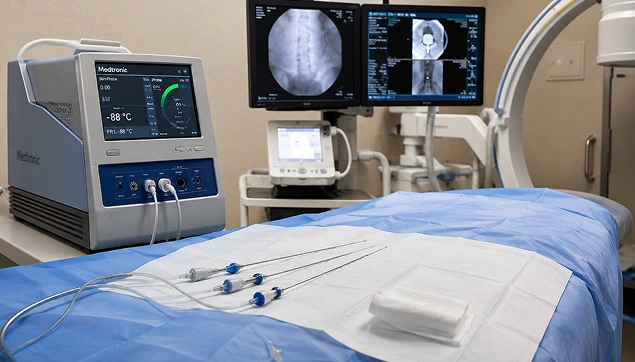
Cryoablation treatment uses precisely controlled extreme cold to interrupt the nerve signals responsible for your pain, offering meaningful relief through a procedure that is far less invasive than surgery.
About
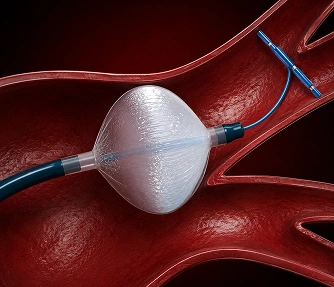

A fine cryoprobe is precisely positioned near the nerve responsible for your pain
Extreme cold is delivered through the probe tip, forming a small ice ball around the nerve
The nerve's pain-signalling function is temporarily interrupted
The nerve's structural integrity is preserved, allowing it to regenerate naturally over time
Meaningful pain relief lasting from several months to over a year for most patients
A minimally invasive, outpatient procedure performed under image guidance
No permanent nerve destruction, with the option to repeat treatment if needed
A well-established cryoablation procedure used by specialist pain centres worldwide
Eligibility
You may be a candidate for cryoablation if you have been living with persistent pain that has not responded adequately to medication, physiotherapy, injections, or other conservative treatments.
A thorough clinical evaluation is always required to confirm whether cryoablation is the right option for you.
If you have experienced any of these, a consultation with Painacea is the right place to start.

Procedure
A detailed clinical assessment and, where appropriate, a diagnostic nerve block are used to identify the exact nerve driving your pain.
The treatment area is numbed with local anaesthesia. Light sedation is available to keep you comfortable throughout.
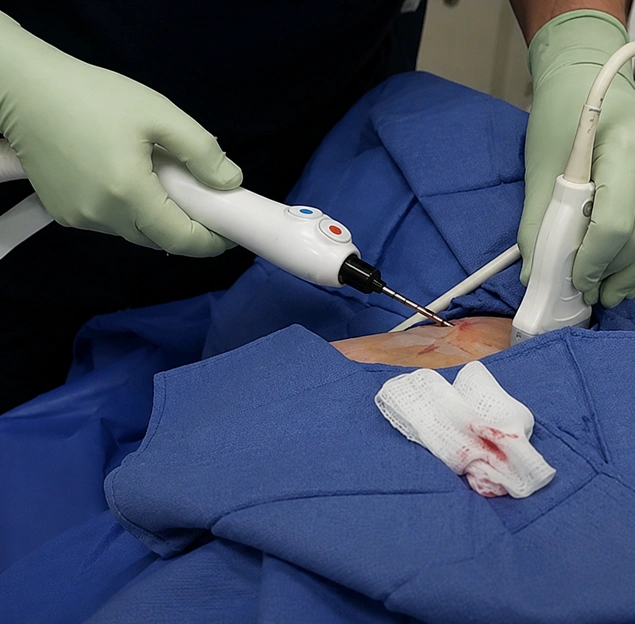
Using live ultrasound or X-ray guidance, the cryoprobe is carefully positioned adjacent to the target nerve.
Sensory and motor nerve testing confirms the probe is accurately placed before the freeze begins.
Extreme cold is applied through the probe tip, creating a small, targeted ice ball that interrupts the nerve's pain signals.
The probe is removed, and most patients are monitored briefly before returning home the same day.
Recovery
Why Choose Us
Persistent pain does not always need the same treatment. At Painacea, we first identify the likely source and mechanism of pain, then help you choose the appropriate next step.
Symptoms, examination, function and imaging are correlated before recommending treatment.
The pathway may include medical care, rehabilitation, a targeted MIPSI, surgical evaluation or a coordinated combination.
Image-guided interventions, radiofrequency procedures, neuromodulation and selected minimally invasive spine treatments are considered only when clinically appropriate.
If another specialist or surgery is the appropriate next step, we recommend it rather than delaying necessary treatment.
FAQs
A fine probe is guided to the target nerve under image guidance, where a controlled freeze temporarily blocks pain signalling without permanently destroying the nerve.
Mild soreness, temporary numbness, or muscle spasms near the treatment site, usually resolving within one to two weeks. Serious complications are rare.
Most patients experience relief lasting between six months and a year or more. The procedure can be repeated when needed.
Cost varies depending on the area treated and complexity of the procedure. Full pricing will be provided during your consultation.
Both disrupt nerve pain signals but through different mechanisms, cold versus heat. Your specialist will recommend the most appropriate approach for your condition.
A consultation can help determine appropriate next steps based on your condition.
125, B wing, First floor, Shrikant Chambers, Next to RK Studios, Chembur, Mumbai, Maharashtra 400071


