Conditions

Back Herniated Disc

Specialist-Led Pain Evaluation and Care

Overview

Specialist-Led Pain Evaluation and Care

Precision in diagnosis. Clarity in treatment.

A herniated disc, also known as a slipped disc, is rarely without cause. In most cases, it is driven by specific mechanical or degenerative changes involving the spine, surrounding nerves, or the disc itself.

At Painacea, herniated disc care is built around identifying the exact source of nerve compression and structural stress and treating it with targeted, minimally invasive solutions designed for long-term recovery, not temporary relief.

Painacea is defined by:

  • Precision-led, minimally invasive approach
  • Specialist diagnosis, not symptom-based treatment
  • Focus on long-term control and functional recovery
Book a Specialist Consultation

About

What Is a Herniated Disc?

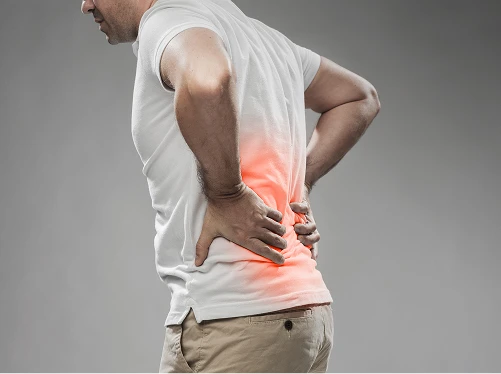
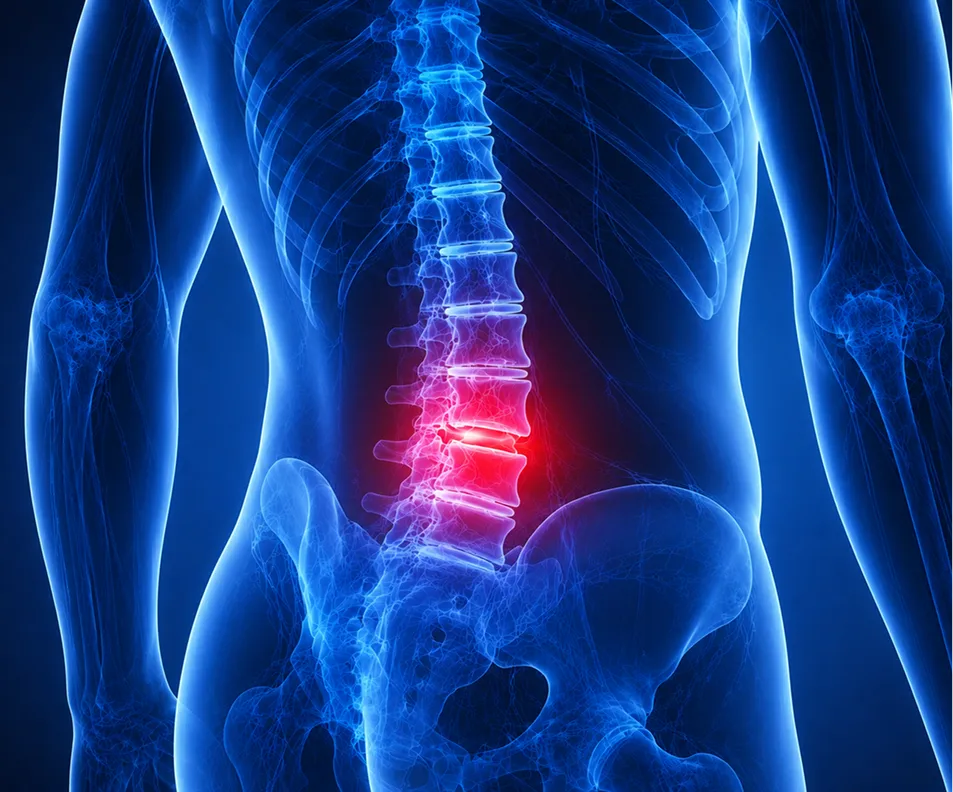
A herniated disc is not simply back pain. It is usually a signal that disc material has displaced and is placing pressure on a nearby nerve or the spinal cord itself. Because contributing factors frequently overlap, treating a herniated disc based on pain location alone tends to produce temporary relief at best.
What Is a Herniated Disc?

Most herniated discs originate from:

  • Age-related degeneration

  • Repetitive mechanical stress or sudden spinal loading

  • Poor posture or prolonged sitting 

  • Genetic predisposition to early disc degeneration

  • Acute trauma or injury to the spine

The location often tells you more than the intensity alone:

  • Neck and upper limbs: cervical disc herniation compressing nerve roots causing arm pain, numbness, or weakness

  • Mid-back: thoracic disc herniation, less common but capable of causing chest wall or abdominal referred pain

  • Lower back radiating to the leg: lumbar disc herniation compressing the sciatic nerve, producing classic sciatica

  • Groin or inner thigh pain: typically associated with upper lumbar disc involvement

  • Bladder or bowel dysfunction alongside back pain: indicative of cauda equina syndrome, a critical surgical emergency requiring immediate Emergency Room evaluation to prevent permanent nerve damage 

Causes

What Are The Causes of a Herniated Disc?

Herniated discs are usually the result of a combination of mechanical, degenerative, and lifestyle factors. When the underlying cause goes unaddressed, the displaced disc material continues to compress surrounding nerves and symptoms tend to worsen or become chronic over time.

Common reasons for a herniated disc include:

  • Age-related disc degeneration
  • Repetitive spinal loading
  • Poor posture and prolonged sitting
  • Sudden heavy lifting or twisting movements
  • Excess body weight
  • Genetic predisposition
  • Sedentary lifestyle
  • Smoking
What Are The Causes of a Herniated Disc?
What Are The Symptoms of a Herniated Disc?

Symptoms

What Are The Symptoms of a Herniated Disc?

Herniated disc symptoms vary depending on which level of the spine is affected and what is being compressed. Recognising the pattern is the first step to accurate diagnosis.

Common symptoms include:

  • Localised pain at the site of herniation
  • Radiating pain travelling down the compressed nerve pathway
  • Numbness, tingling, or weakness in the limbs supplied by the affected nerve root
  • Pain that worsens with sitting, bending, or coughing
  • Bladder or bowel dysfunction in severe cases indicating cauda equina involvement

Pain that consistently worsens with specific movements or prolonged postures points to a specific, identifiable level of spinal involvement.

Treatment

What Are The Treatment Options for a Herniated Disc?

Slipped disc treatment at Painacea is guided by cause, not symptoms. The approach is non-surgical first, with interventions selected based on what is actually driving the nerve compression and pain.

Minimally Invasive Spine Procedures 

For direct treatment of structural changes like a lumbar disc herniation and the resulting compressed nerves, options include:

  • Endoscopic spinal visualization and decompression
  • Image-guided epidural delivery via endoscopic assistance
  • Advanced, direct access to the epidural space t

Nerve Pain Relief 

For persistent nerve-related pain driven by the herniation, this targets:

  • Pulsed radiofrequency (PRF) energy
  • Targeted treatments designed to reduce hypersensitivity
  • Restoring functional movement

Regenerative Therapy 

For managing the painful inflammatory environment associated with disc degeneration, the focus is on:

  • Platelet-rich plasma (PRP) injections
  • Modulating the biochemical environment of the spine
  • Dampening painful inflammatory cascades

Long-Term Recovery and Control

Across all types and levels of spinal issues, from advanced care to targeted bulging disc treatment, the goal is predictable, long-term recovery by:

  • Reducing nerve compression and associated pain
  • Minimising dependence on pain medication
  • Giving patients clarity on what is driving their symptoms and how to manage them effectively

Minimally Invasive Spine Procedures 

For direct treatment of structural changes like a lumbar disc herniation and the resulting compressed nerves, options include:

  • Endoscopic spinal visualization and decompression
  • Image-guided epidural delivery via endoscopic assistance
  • Advanced, direct access to the epidural space t

Nerve Pain Relief 

For persistent nerve-related pain driven by the herniation, this targets:

  • Pulsed radiofrequency (PRF) energy
  • Targeted treatments designed to reduce hypersensitivity
  • Restoring functional movement

Regenerative Therapy 

For managing the painful inflammatory environment associated with disc degeneration, the focus is on:

  • Platelet-rich plasma (PRP) injections
  • Modulating the biochemical environment of the spine
  • Dampening painful inflammatory cascades

Long-Term Recovery and Control

Across all types and levels of spinal issues, from advanced care to targeted bulging disc treatment, the goal is predictable, long-term recovery by:

  • Reducing nerve compression and associated pain
  • Minimising dependence on pain medication
  • Giving patients clarity on what is driving their symptoms and how to manage them effectively
Painacea

Why Choose Us

Why Choose Painacea?

Care is centred on identifying the source of pain and delivering targeted, effective solutions.

  • list icon

    17+ years of experience in pain medicine and anesthesiology

  • list icon

    Specialist in minimally invasive, image-guided interventions

  • list icon

    Strong focus on precise diagnosis before treatment

  • list icon

    Expertise in managing complex spine, nerve, and pain conditions

  • list icon

    International training across USA, Europe, and South Korea

  • list icon

    Academic leadership as Professor and Fellowship Mentor

Book a Specialist Consultation

FAQs

Frequently Asked Questions

Treatment is guided by the level of compression and severity of symptoms, ranging from regenerative injections and radiofrequency ablation to minimally invasive endoscopic procedures for cases unresponsive to conservative care.

Yes, many people manage herniated discs without surgery. With the right targeted treatment and load management, most patients achieve significant pain relief and return to normal function.

The three most common symptoms among a range of signs and symptoms of herniation are radiating pain down the arm or leg along the compressed nerve pathway, numbness or tingling in the affected limb, and muscle weakness in the area supplied by the compressed nerve root.

In some cases, yes. Mild to moderate herniations can reabsorb over time, typically within six to twelve weeks. However, persistent or worsening symptoms require targeted intervention to prevent long-term nerve damage.

Disc herniation progresses through four stages: disc degeneration, where the disc loses hydration and flexibility; prolapse, where the disc begins to bulge outward; extrusion, where the inner disc material breaks through the outer wall; and sequestration, which occurs when a fragment of disc material separates and enters the spinal canal, often causing the most severe nerve compression.

Contact

Considering Further Evaluation for Persistent Pain?

A consultation can help determine appropriate next steps based on your condition.

hello@painacea.in +91 94192 00497

First Floor, Shrikant Chambers - c, 125, B Wing, next to RK Studios, Chembur, Mumbai - 400071

    Get a Precise Diagnosis