
Regenerative Injections & Therapy
For nerve repair and tissue recovery, options include:
- Platelet-rich plasma (PRP) injections
- Targeted regenerative therapies
- Restoring nerve function and reducing the intensity of neuropathic pain symptoms
Conditions
Overview
Precision in diagnosis. Clarity in treatment.
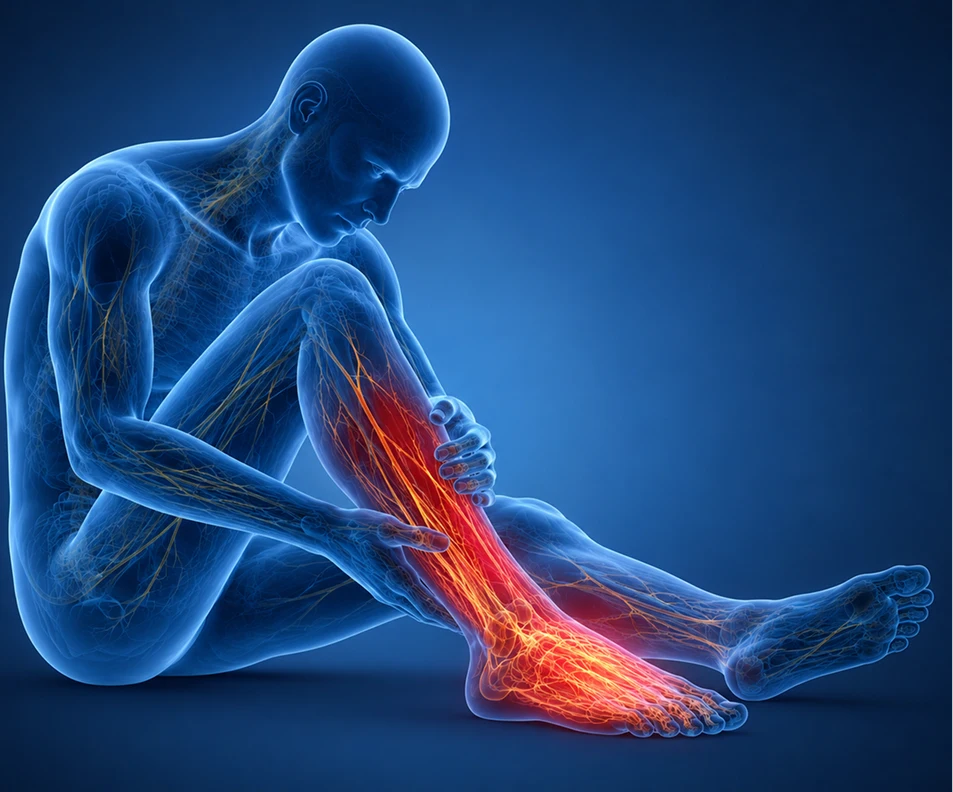
Peripheral neuropathy does not develop without reason. It is almost always the result of identifiable damage or dysfunction affecting the peripheral nerves, whether from systemic disease, metabolic disruption, toxic exposure, or structural nerve compression.
At Painacea, peripheral neuropathy treatment is built around identifying the exact source of nerve dysfunction and addressing it with targeted, minimally invasive solutions designed for long-term recovery, not temporary relief.
Painacea is defined by:
About


Systemic conditions such as diabetes
Metabolic or nutritional deficiencies, particularly B12
Toxic exposure, including alcohol, chemotherapy, or certain medications
Autoimmune conditions
Structural nerve compression
Sensory neuropathy: affecting nerves that carry sensation, producing numbness, tingling, or burning pain
Motor neuropathy: affecting nerves controlling movement, leading to weakness or loss of coordination
Autonomic neuropathy: affecting nerves regulating involuntary functions such as heart rate, digestion, and blood pressure
Mononeuropathy: involving a single nerve, such as carpal tunnel syndrome or ulnar nerve compression
Polyneuropathy: involving multiple nerves simultaneously, most commonly seen in diabetic peripheral neuropathy
Treatment
Causes
Peripheral neuropathy is usually the result of a combination of systemic, metabolic, and lifestyle factors. When the underlying cause goes unaddressed, nerve damage progresses and peripheral neuropathy symptoms tend to worsen or become increasingly difficult to manage over time.


Symptoms
Peripheral neuropathy symptoms vary based on the affected nerves and the progression of the condition. Recognising the pattern is the first step in making an accurate diagnosis of peripheral neuropathy.
Common peripheral neuropathy symptoms and neuropathic pain symptoms include:
Unlike musculoskeletal pain, neuropathic pain symptoms tend to follow the distribution of affected nerves rather than localised anatomical structures and often persist independently of activity or movement.

Why Choose Us
Persistent pain does not always need the same treatment. At Painacea, we first identify the likely source and mechanism of pain, then help you choose the appropriate next step.
Symptoms, examination, function and imaging are correlated before recommending treatment.
The pathway may include medical care, rehabilitation, a targeted MIPSI, surgical evaluation or a coordinated combination.
Image-guided interventions, radiofrequency procedures, neuromodulation and selected minimally invasive spine treatments are considered only when clinically appropriate.
If another specialist or surgery is the appropriate next step, we recommend it rather than delaying necessary treatment.
FAQs
The most common causes are diabetes, nutritional deficiencies, particularly B12; chronic alcohol use; autoimmune conditions; and chemotherapy-induced nerve damage. In some cases, no identifiable cause is found, which is referred to as idiopathic peripheral neuropathy.
The best treatment for peripheral neuropathy is one guided by an accurate diagnosis of the underlying cause rather than managing symptoms alone. Options range from optimised metabolic control and targeted medical management to advanced nerve stimulation and non-destructive pulsed radiofrequency (PRF) neuromodulation for persistent or advanced cases.
High-impact activities, exercises requiring precise balance, and any movement that places excessive pressure on numb or insensitive areas should be approached with caution. Exercise selection should always be guided by a specialist to avoid aggravating nerve damage or increasing injury risk.
Early warning signs include persistent burning, tingling, or numbness in the hands or feet, heightened sensitivity to touch, unexplained muscle weakness, and symptoms that worsen at night. Any of these presenting without a clear musculoskeletal cause warrants prompt specialist evaluation
In cases where the underlying cause is identified and addressed early, such as correcting a nutritional deficiency or managing blood sugar in diabetes, partial or full reversal is possible. However, long-standing or advanced neuropathy involving significant nerve damage is more likely to be managed and stabilised than fully reversed, making early diagnosis and intervention critical.
A consultation can help determine appropriate next steps based on your condition.
125, B wing, First floor, Shrikant Chambers, Next to RK Studios, Chembur, Mumbai, Maharashtra 400071