
Conditions

Trochanteric Bursitis

Specialist-Led Pain Evaluation and Care

Overview

Specialist-Led Pain Evaluation and Care

Precision in diagnosis. Clarity in treatment.

Pain on the outer hip is one of the most commonly misattributed symptoms in musculoskeletal medicine. Accurate diagnosis is the difference between months of inadequate management and a treatment plan that actually works.

At Painacea, trochanteric bursitis and greater trochanteric pain syndrome care is built around identifying exactly what is driving the pain and addressing it with targeted, minimally invasive solutions designed for lasting relief.

Painacea is defined by:

  • Precision-led, minimally invasive approach
  • Specialist diagnosis, not symptom-based treatment
  • Focus on long-term control and functional recovery
Book a Specialist Consultation

About

What Is Trochanteric Bursitis?

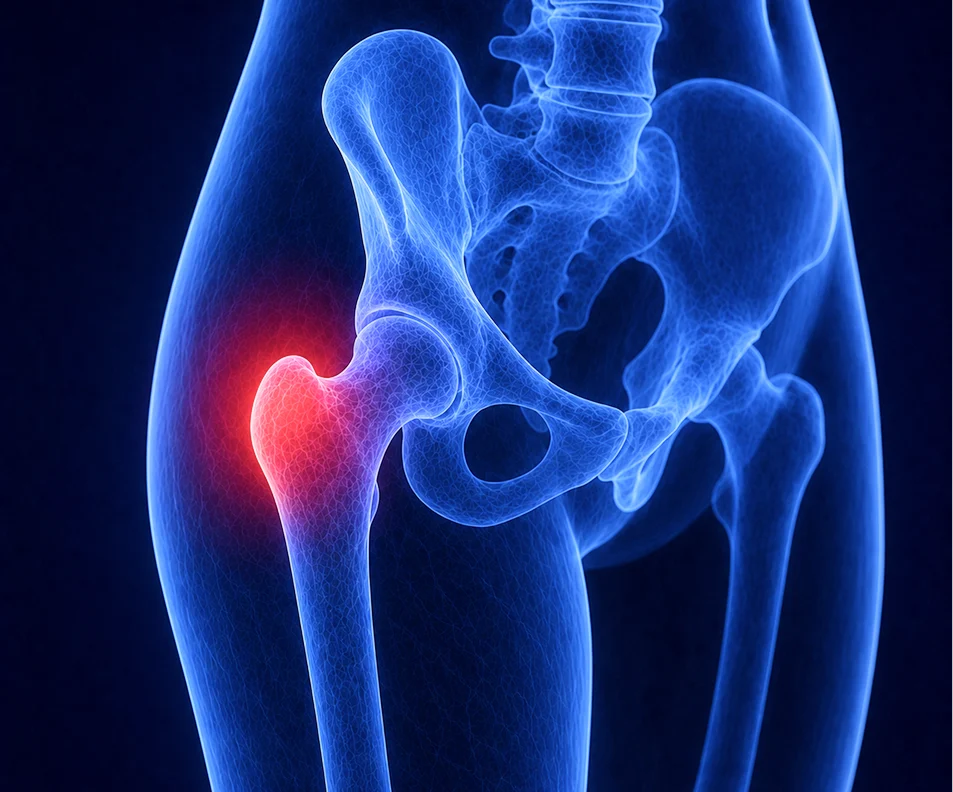
Trochanteric bursitis refers to pain and inflammation at the outer hip, specifically at the greater trochanter, the bony prominence at the top of the femur. The condition is now more accurately described as greater trochanteric pain syndrome, a term that reflects the wider range of soft tissue structures involved, including the gluteal tendons, bursa, and surrounding fascia.
What Is Trochanteric Bursitis?

The outer hip structures most commonly involved include:

  • The trochanteric bursa, a fluid-filled sac cushioning the greater trochanter

  • The gluteal tendons where they attach to the outer hip

  • The iliotibial band, which can create friction over the greater trochanter with movement

  • The surrounding fascia and hip abductor muscles

Causes

What Are the Causes of Trochanteric Bursitis?

Greater trochanteric pain syndrome typically develops from repetitive mechanical stress, structural factors, or a change in loading of the hip over time. There is rarely a single clear cause.

Common causes and risk factors include:

  • Repetitive activities placing sustained friction on the outer hip, such as running, cycling, or prolonged walking
  • Weakness or imbalance in the gluteal muscles altering hip mechanics and overloading the tendons
  • Leg length discrepancy creating asymmetric loading through the hip
  • Lumbar spine dysfunction or scoliosis affecting posture and hip alignment
  • Prior hip surgery or injury irritating the surrounding soft tissue structures
  • Prolonged lying on one side compressing the bursa and tendons
  • Being female and aged between 40 and 60, a recognised risk group for this condition
  • Sudden changes in activity level, either increasing or decreasing physical demand
What Are the Causes of Trochanteric Bursitis?
What Are the Symptoms of Trochanteric Bursitis?

Symptoms

What Are the Symptoms of Trochanteric Bursitis?

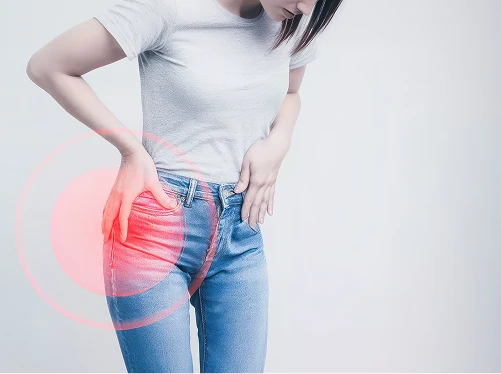
Trochanteric bursitis symptoms are centred on the outer hip and upper thigh, though pain can radiate into the buttock and down the leg. Recognising the pattern helps distinguish it from hip joint pathology and referred lumbar spine pain.

Common symptoms include:

  • Pain and tenderness on the outer side of the hip and upper thigh
  • Aching or burning discomfort that worsens with prolonged standing, walking, or climbing stairs
  • Pain when lying on the affected side, often disrupting sleep
  • Stiffness or reduced hip mobility after periods of rest
  • Pain that increases with high-intensity activity or prolonged sitting
  • A clicking or snapping sensation around the outer hip during movement
  • In persistent cases, a limp or altered walking pattern to avoid loading the painful side

Treatment

What Are the Treatment Options for Trochanteric Bursitis?

Trochanteric bursitis treatment at Painacea is guided by the specific structures involved and the duration of symptoms. The approach prioritises targeted, minimally invasive care before any consideration of surgery.

Precision-Guided Interventions

For persistent or recurrent greater trochanteric pain syndrome that has not responded to conservative measures:

  • Image-guided corticosteroid or regenerative injections to reduce bursal inflammation and tendon irritation precisely at the source
  • Radiofrequency ablation targeting the sensory nerves supplying the outer hip, providing sustained relief in cases where other interventions have been insufficient
  • Regenerative therapies including platelet-rich plasma to support gluteal tendon healing and reduce chronic inflammation

Physiotherapy and Movement Correction

To address the mechanical drivers of ongoing pain:

  • Structured gluteal strengthening to correct muscle weakness and restore normal hip loading
  • Targeted hip abductor and external rotator exercises to reduce iliotibial band friction
  • Activity modification and load management guidance to reduce symptom provocation during recovery
  • Postural correction to address any contributing lumbar or pelvic alignment issues

Long-Term Pain Control

Across all presentations of trochanteric pain syndrome, the goal is:

  • Reducing recurrence by addressing the underlying biomechanical contributors
  • Minimising dependence on anti-inflammatory medication
  • Restoring the ability to walk, sleep, and move without pain

Precision-Guided Interventions

For persistent or recurrent greater trochanteric pain syndrome that has not responded to conservative measures:

  • Image-guided corticosteroid or regenerative injections to reduce bursal inflammation and tendon irritation precisely at the source
  • Radiofrequency ablation targeting the sensory nerves supplying the outer hip, providing sustained relief in cases where other interventions have been insufficient
  • Regenerative therapies including platelet-rich plasma to support gluteal tendon healing and reduce chronic inflammation
Physiotherapy and Movement Correction

To address the mechanical drivers of ongoing pain:

  • Structured gluteal strengthening to correct muscle weakness and restore normal hip loading
  • Targeted hip abductor and external rotator exercises to reduce iliotibial band friction
  • Activity modification and load management guidance to reduce symptom provocation during recovery
  • Postural correction to address any contributing lumbar or pelvic alignment issues

Long-Term Pain Control

Across all presentations of trochanteric pain syndrome, the goal is:

  • Reducing recurrence by addressing the underlying biomechanical contributors
  • Minimising dependence on anti-inflammatory medication
  • Restoring the ability to walk, sleep, and move without pain
Painacea

Why Choose Us

Why Choose Painacea?

Care is centred on identifying the source of pain and delivering targeted, effective solutions.

  • list icon

    17+ years of experience in pain medicine and anesthesiology

  • list icon

    Specialist in minimally invasive, image-guided interventions

  • list icon

    Strong focus on precise diagnosis before treatment

  • list icon

    Expertise in managing complex spine, nerve, and pain conditions

  • list icon

    International training across USA, Europe, and South Korea

  • list icon

    Academic leadership as Professor and Fellowship Mentor

Book a Specialist Consultation

FAQs

Frequently Asked Questions

They refer to the same area of pain but GTPS is the more accurate term, as the source is often the gluteal tendons or surrounding fascia rather than the bursa alone.

Outer hip pain, tenderness along the upper thigh, pain when lying on the affected side, and discomfort with walking, stairs, or prolonged standing.

Most cases improve with structured treatment, though recovery can take six to twelve months. Accurate diagnosis and addressing the underlying cause significantly improves outcomes.

A combination of targeted injections, gluteal strengthening physiotherapy, and activity modification. Radiofrequency ablation or regenerative therapies are effective options when the condition is persistent.

Yes, particularly if the underlying muscle weakness or biomechanical factors are not addressed. A structured rehabilitation programme significantly reduces the risk of recurrence.

Contact

Considering Further Evaluation for Persistent Pain?

A consultation can help determine appropriate next steps based on your condition.

hello@painacea.in +91 94192 00497

First Floor, Shrikant Chambers - c, 125, B Wing, next to RK Studios, Chembur, Mumbai - 400071

    Get a Precise Diagnosis