
Conditions

Abdominal Cancer Pain

Specialist-Led Pain Evaluation and Care

Overview

Specialist-Led Pain Evaluation and Care

Precision in diagnosis. Clarity in treatment.

Persistent abdominal pain linked to cancer is not just a side effect to manage. It is a signal that requires precise evaluation and a structured, targeted approach to treatment.

At Painacea, abdominal cancer pain care is built around identifying the exact source of discomfort and addressing it with minimally invasive solutions designed for sustained, meaningful relief.

Painacea is defined by:

  • Precision-led, minimally invasive approach
  • Specialist diagnosis, not symptom-based treatment
  • Focus on long-term control and functional recovery
Book a Specialist Consultation

About

What Is Abdominal Cancer Pain?

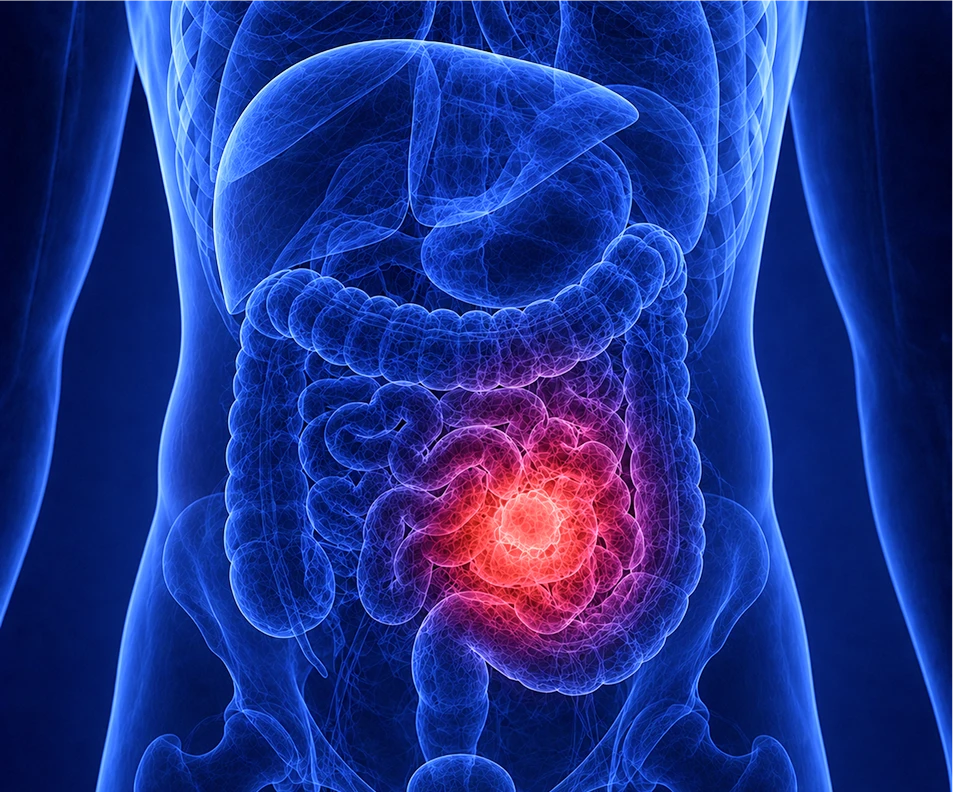
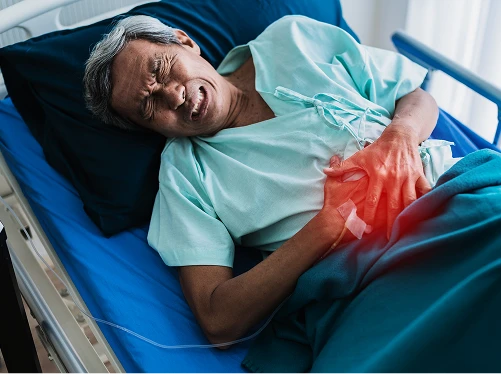
Abdominal cancer pain refers to persistent pain, pressure, or discomfort in the abdomen or pelvis arising from a cancer diagnosis or its treatment. It is one of the most common and debilitating symptoms experienced by patients with gastrointestinal, gynaecological, or other abdominal cancers.
What Is Abdominal Cancer Pain?

Most abdominal cancer pain originates from:

  • Direct tumour pressure on abdominal organs or surrounding nerves

  • Fluid buildup in the abdomen, known as ascites

  • Nerve involvement or nerve compression by the tumour

  • Post-surgical pain following abdominal or gynaecological procedures

  • Treatment-related changes in the abdominal and pelvic region

The location and pattern often indicate the underlying driver:

  • Upper abdominal pain: commonly associated with gastric or pancreatic involvement

  • Lower abdominal and pelvic pain: frequently linked to ovarian cancer abdominal pain or colorectal involvement

  • Diffuse abdominal bloating and pressure: often related to ascites or peritoneal spread

  • Pain with fullness and nausea: characteristic of gastric cancer or bowel-related involvement

Causes

What Are the Causes of Abdominal Cancer Pain?

Abdominal cancer pain can arise from the cancer itself, from its spread, or from the effects of treatment. Understanding the specific cause is essential to choosing the right pain management strategy.

Common causes include:

  • Tumour growth pressing on nerves, organs, or the abdominal wall
  • Ovarian cancer causing abdominal bloating and pelvic pressure
  • Stomach pain cancer symptoms arising from gastric or colorectal involvement
  • Ascites, or fluid accumulation, causing distension and discomfort
  • Nerve infiltration by the tumour leading to neuropathic pain
  • Treatment-related inflammation from chemotherapy or radiation
What Are the Causes of Abdominal Cancer Pain?
What Are the Symptoms of Abdominal Cancer Pain?

Symptoms

What Are the Symptoms of Abdominal Cancer Pain?

Abdominal cancer pain symptoms present differently depending on the type and stage of cancer involved. Recognising the pattern is an important step towards accurate pain assessment.

Common symptoms include:

  • Persistent dull ache or pressure in the abdomen or pelvis
  • Abdominal bloating that does not resolve, a well-recognised feature of ovarian cancer
  • Feeling full quickly or experiencing a loss of appetite can be symptoms of ovarian cancer.
  • Nausea, with or without vomiting
  • Back pain radiating from the abdomen
  • Sharp or cramping pain that worsens with movement or eating
  • Abdominal distension due to fluid accumulation
  • Fatigue compounded by uncontrolled pain

Persistent abdominal pain causes that do not resolve, worsen over time, or are accompanied by unexplained weight loss or changes in bowel habits should always be formally evaluated.

Treatment

What Are the Treatment Options for Abdominal Cancer Pain?

Treatment at Painacea is guided by the specific mechanism driving the pain, not by symptoms alone. The approach is structured, targeted, and always minimally invasive where possible.

Precision-Guided Interventions

For nerve and tumour-related abdominal pain, options include:

  • Radiofrequency ablation to disrupt pain signals from affected nerves in the abdominal or pelvic region
  • Cryoablation for targeted nerve pain arising from tumour-related nerve involvement
  • Neuromodulation for persistent abdominal and pelvic cancer pain that has not responded to medication


Interventional Pain Management

For pain driven by ascites or visceral involvement:

  • Image-guided nerve blocks targeting the coeliac plexus or other relevant nerve structures to reduce visceral pain
  • Targeted interventions to reduce the frequency and severity of pain episodes
  • Breaking the cycle of chronic grumbling pain to allow progressive tendon loading and functional tissue recovery

Supportive and Rehabilitative Care

Across all causes and stages:

  • Coordinated management to reduce dependence on high-dose opioid medication
  • Structured follow-up to adjust the treatment plan as the clinical picture evolves
  • Physiotherapy and gentle movement guidance where appropriate to support function

Precision-Guided Interventions

For nerve and tumour-related abdominal pain, options include:

  • Radiofrequency ablation to disrupt pain signals from affected nerves in the abdominal or pelvic region
  • Cryoablation for targeted nerve pain arising from tumour-related nerve involvement
  • Neuromodulation for persistent abdominal and pelvic cancer pain that has not responded to medication

Interventional Pain Management

For pain driven by ascites or visceral involvement:

  • Image-guided nerve blocks targeting the coeliac plexus or other relevant nerve structures to reduce visceral pain
  • Targeted interventions to reduce the frequency and severity of pain episodes
  • Breaking the cycle of chronic grumbling pain to allow progressive tendon loading and functional tissue recovery

Supportive and Rehabilitative Care

Across all causes and stages:

  • Coordinated management to reduce dependence on high-dose opioid medication
  • Structured follow-up to adjust the treatment plan as the clinical picture evolves
  • Physiotherapy and gentle movement guidance where appropriate to support function
Painacea

Why Choose Us

Why Choose Painacea?

Care is centred on identifying the source of pain and delivering targeted, effective solutions.

  • list icon

    17+ years of experience in pain medicine and anesthesiology

  • list icon

    Specialist in minimally invasive, image-guided interventions

  • list icon

    Strong focus on precise diagnosis before treatment

  • list icon

    Expertise in managing complex spine, nerve, and pain conditions

  • list icon

    International training across USA, Europe, and South Korea

  • list icon

    Academic leadership as Professor and Fellowship Mentor

Book a Specialist Consultation

FAQs

Frequently Asked Questions

Yes. Abdominal pain is one of the most common symptoms across several cancer types, including stomach, ovarian, colorectal, and pancreatic cancers. It can arise from the tumour itself, nerve involvement, fluid buildup, or treatment effects.

Persistent pain that does not resolve, bloating, feeling full quickly, unexplained weight loss, and changes in bowel habits are the key patterns that warrant evaluation.

What are the persistent abdominal pain causes that could indicate cancer? It is one of the most frequently reported early symptoms.

Pain that is new, lasts more than two to three weeks, and is not explained by diet or lifestyle should be formally assessed. When accompanied by bloating, weight loss, or changes in appetite, it requires prompt evaluation.

Abdominal cancer pain is managed at Painacea through a combination of image-guided nerve blocks, radiofrequency ablation, cryoablation, and neuromodulation, all targeted to the specific nerve or structure that is causing the pain, along with coordinated supportive care

Contact

Considering Further Evaluation for Persistent Pain?

A consultation can help determine appropriate next steps based on your condition.

hello@painacea.in +91 94192 00497

First Floor, Shrikant Chambers - c, 125, B Wing, next to RK Studios, Chembur, Mumbai - 400071

    Get a Precise Diagnosis