
Conditions

Labral Tears

Specialist-Led Pain Evaluation and Care

Overview

Specialist-Led Pain Evaluation and Care

Precision in diagnosis. Clarity in treatment.

Hip labral tears are frequently misdiagnosed or missed entirely, and many people spend months managing the wrong problem. Accurate identification of the tear and its underlying cause is what makes the difference between ongoing pain and meaningful recovery.

At Painacea, labral tear care is built around precise diagnosis and targeted, minimally invasive treatment designed to reduce pain and restore function without rushing to surgery.

Painacea is defined by:

  • Precision-led, minimally invasive approach
  • Specialist diagnosis, not symptom-based treatment
  • Focus on long-term control and functional recovery
Book a Specialist Consultation

About

What Is a Labral Tear of the Hip?

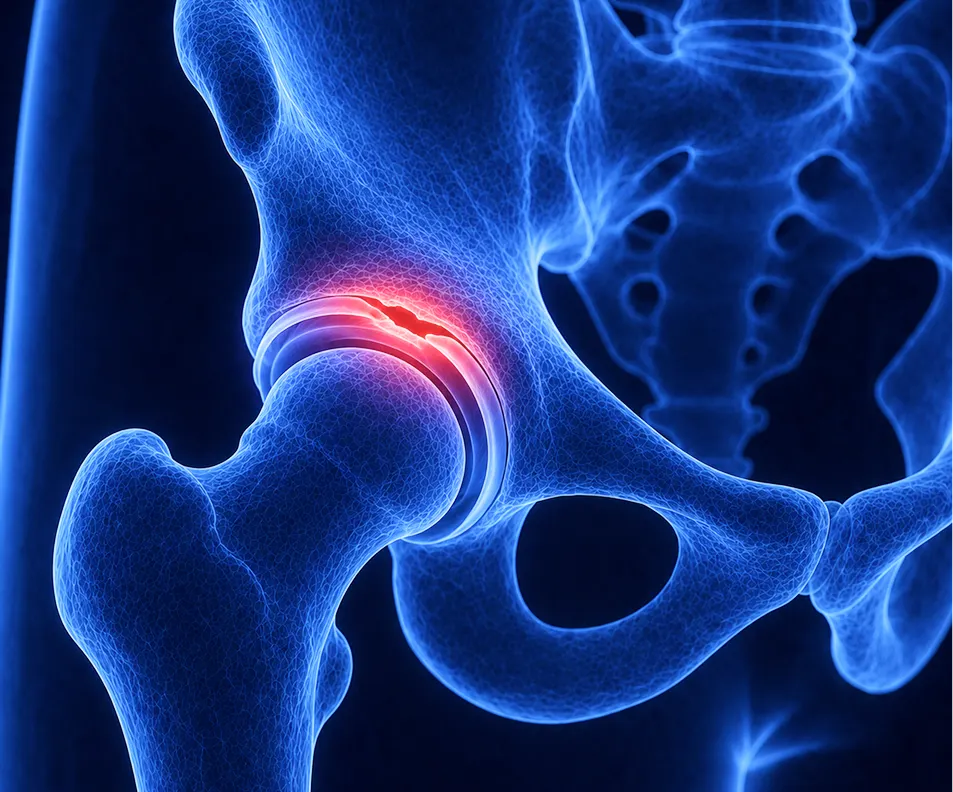
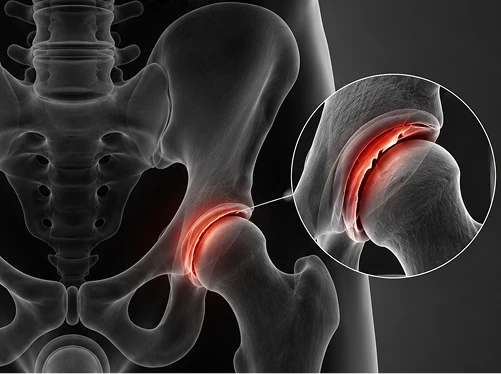
The hip labrum is a ring of cartilage that lines the rim of the hip socket. It acts as a seal that deepens the socket, stabilises the joint, distributes pressure across the cartilage surface, and helps maintain the fluid environment within the joint. When this structure is torn, it disrupts the mechanics of the hip and can cause persistent pain, clicking, and instability that limits movement and daily activity.
What Is a Labral Tear of the Hip?

The labrum can be torn in different locations and for different reasons:

  • Anterior tears at the front of the socket, the most common site, often related to femoroacetabular impingement

  • Posterior tears at the back, more commonly associated with trauma or dislocation

  • Tears related to structural problems such as hip dysplasia, where the shallow socket places excess stress on the labrum

  • Degenerative tears developing gradually from wear and repetitive loading over time

Causes

What Are the Causes of Labral Tear of the Hip?

Labral tears can develop from a single traumatic event, from repetitive mechanical stress, or from an underlying structural abnormality that places sustained strain on the labrum over time.

Common causes and risk factors include:

  • Femoroacetabular impingement, where extra bone on the femoral head or socket rim pinches the labrum during hip movement
  • Hip dysplasia, where a shallow or poorly oriented socket overloads the labrum as the primary stabiliser
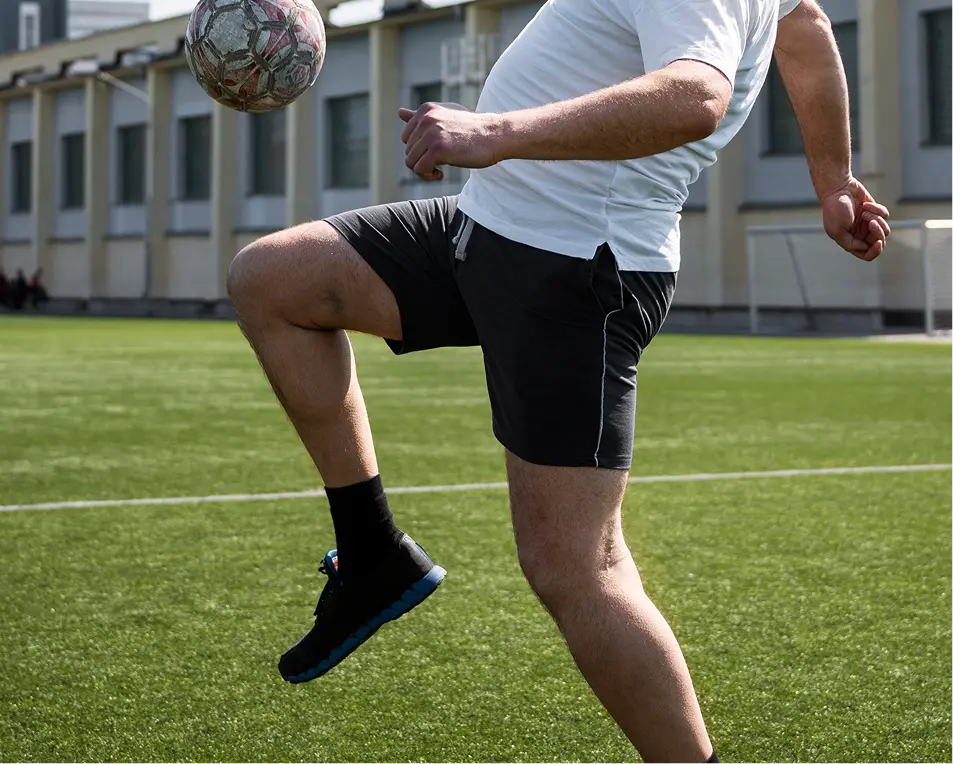
  • Repetitive hip flexion or rotation in sport, including long-distance running, golf, ballet, and football
  • Trauma such as a hip dislocation or direct impact injury
  • Gradual degeneration in older adults as the labral tissue loses resilience over time
  • Hypermobility or ligamentous laxity placing excess demand on the labrum for joint stability
What Are the Causes of Labral Tear of the Hip?
What Are the Symptoms of Labral Tear of the Hip?

Symptoms

What Are the Symptoms of Labral Tear of the Hip?

Hip labral tear symptoms can range from barely noticeable to severely limiting, and some people have significant tears with minimal discomfort. Recognising the specific pattern helps distinguish labral pathology from other sources of hip and groin pain.

Common symptoms include:

  • Pain in the groin or front of the hip, often described as a deep aching or sharp catching sensation
  • Pain that worsens with prolonged sitting, standing, walking, or sporting activity
  • A locking, clicking, or catching sensation felt within the hip joint during movement
  • Stiffness or reduced range of hip motion, particularly with internal rotation
  • A feeling of instability or giving way in the hip
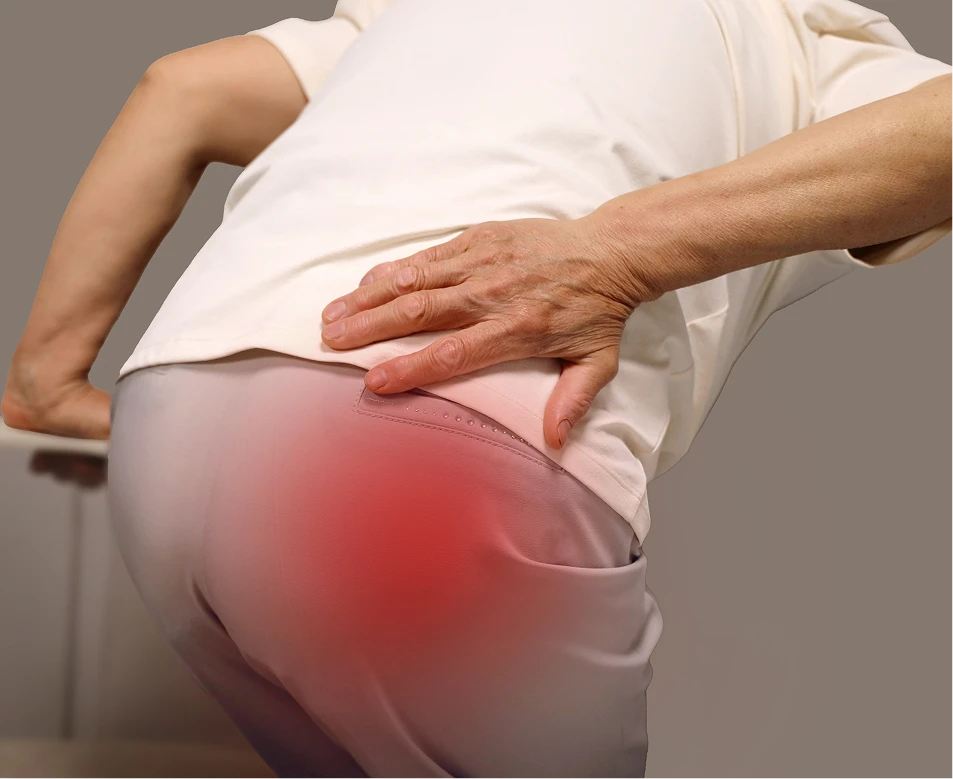
  • Pain that radiates into the thigh or buttock in some cases
  • Symptoms that have persisted despite rest, physiotherapy, or general pain management

Treatment

What Are the Treatment Options for Labral Tear of the Hip?

Treatment at Painacea is guided by the nature of the tear, its underlying cause, and the severity of symptoms. Most labral tears are managed effectively without surgery, provided the correct diagnosis is made and the contributing structural or biomechanical factors are addressed.

Precision-Guided Interventions

For pain and inflammation related to labral tears, options include:

  • Regenerative therapies including platelet-rich plasma injected precisely into the hip joint under image guidance to reduce inflammation, support tissue healing, and improve joint function. Clinical evidence shows meaningful improvements in pain and hip scores in patients who have not responded to physiotherapy alone
  • Prolotherapy targeting the capsular and periarticular structures to improve joint stability and reduce pain from associated ligamentous laxity
  • Image-guided intra-articular injections to reduce acute inflammation and confirm the joint as the pain source as part of the diagnostic and treatment pathway
Physiotherapy and Movement Correction

To address the mechanical drivers of ongoing symptoms:

  • Hip stabilisation and strengthening targeting the deep hip rotators, gluteal muscles, and core to reduce stress on the labrum
  • Movement pattern correction to eliminate positions and activities that provoke impingement or labral loading
  • Activity modification guidance during the recovery period to allow symptom settling without complete rest

Long-Term Pain Control

Across all presentations:

  • Treating any underlying structural contributor such as femoroacetabular impingement to prevent recurrence
  • Reducing dependence on anti-inflammatory medication
  • Preserving hip function and delaying or avoiding surgery where clinically appropriate

Precision-Guided Interventions

For pain and inflammation related to labral tears, options include:

  • Regenerative therapies including platelet-rich plasma injected precisely into the hip joint under image guidance to reduce inflammation, support tissue healing, and improve joint function. Clinical evidence shows meaningful improvements in pain and hip scores in patients who have not responded to physiotherapy alone
  • Prolotherapy targeting the capsular and periarticular structures to improve joint stability and reduce pain from associated ligamentous laxity
  • Image-guided intra-articular injections to reduce acute inflammation and confirm the joint as the pain source as part of the diagnostic and treatment pathway

Physiotherapy and Movement Correction

To address the mechanical drivers of ongoing symptoms:

  • Hip stabilisation and strengthening targeting the deep hip rotators, gluteal muscles, and core to reduce stress on the labrum
  • Movement pattern correction to eliminate positions and activities that provoke impingement or labral loading
  • Activity modification guidance during the recovery period to allow symptom settling without complete rest

Long-Term Pain Control

Across all presentations:

  • Treating any underlying structural contributor such as femoroacetabular impingement to prevent recurrence
  • Reducing dependence on anti-inflammatory medication
  • Preserving hip function and delaying or avoiding surgery where clinically appropriate
Painacea

Why Choose Us

Why Choose Painacea?

Care is centred on identifying the source of pain and delivering targeted, effective solutions.

  • list icon

    17+ years of experience in pain medicine and anesthesiology

  • list icon

    Specialist in minimally invasive, image-guided interventions

  • list icon

    Strong focus on precise diagnosis before treatment

  • list icon

    Expertise in managing complex spine, nerve, and pain conditions

  • list icon

    International training across USA, Europe, and South Korea

  • list icon

    Academic leadership as Professor and Fellowship Mentor

Book a Specialist Consultation

FAQs

Frequently Asked Questions

Deep groin or hip pain that worsens with activity, a clicking or locking sensation in the joint, stiffness with rotation, and pain after prolonged sitting or walking.

Through clinical examination and imaging. MRI or MR arthrography is the most accurate imaging method for confirming the location and extent of the tear. A diagnostic injection can also help confirm the joint as the pain source.

Many labral tears can be effectively managed without surgery using regenerative therapies, targeted injections, and physiotherapy, particularly when the underlying cause is also addressed.

MRI is the primary imaging tool for labral tear radiology, providing detailed visualisation of the labrum, cartilage, and surrounding structures. Clinical findings must always be correlated with imaging, as labral tears can appear on MRI in people without symptoms.

Ongoing mechanical stress on an untreated tear can accelerate cartilage damage and increase the risk of developing hip osteoarthritis over time.

Contact

Considering Further Evaluation for Persistent Pain?

A consultation can help determine appropriate next steps based on your condition.

hello@painacea.in +91 94192 00497

First Floor, Shrikant Chambers - c, 125, B Wing, next to RK Studios, Chembur, Mumbai - 400071

    Get a Precise Diagnosis