
Conditions

Post Surgery Abdominal Pain

Specialist-Led Pain Evaluation and Care

Overview

Specialist-Led Pain Evaluation and Care

Precision in diagnosis. Clarity in treatment.

Pain after abdominal surgery is not always a straightforward part of recovery. When it persists, worsens, or changes character over time, it is a signal that the underlying cause needs to be properly identified and treated.

At Painacea, post surgery abdominal pain care is built around finding the exact source of ongoing discomfort and addressing it with targeted, minimally invasive solutions designed for lasting relief.

Painacea is defined by:

  • Precision-led, minimally invasive approach
  • Specialist diagnosis, not symptom-based treatment
  • Focus on long-term control and functional recovery
Book a Specialist Consultation

About

What Is Post Surgery Abdominal Pain?

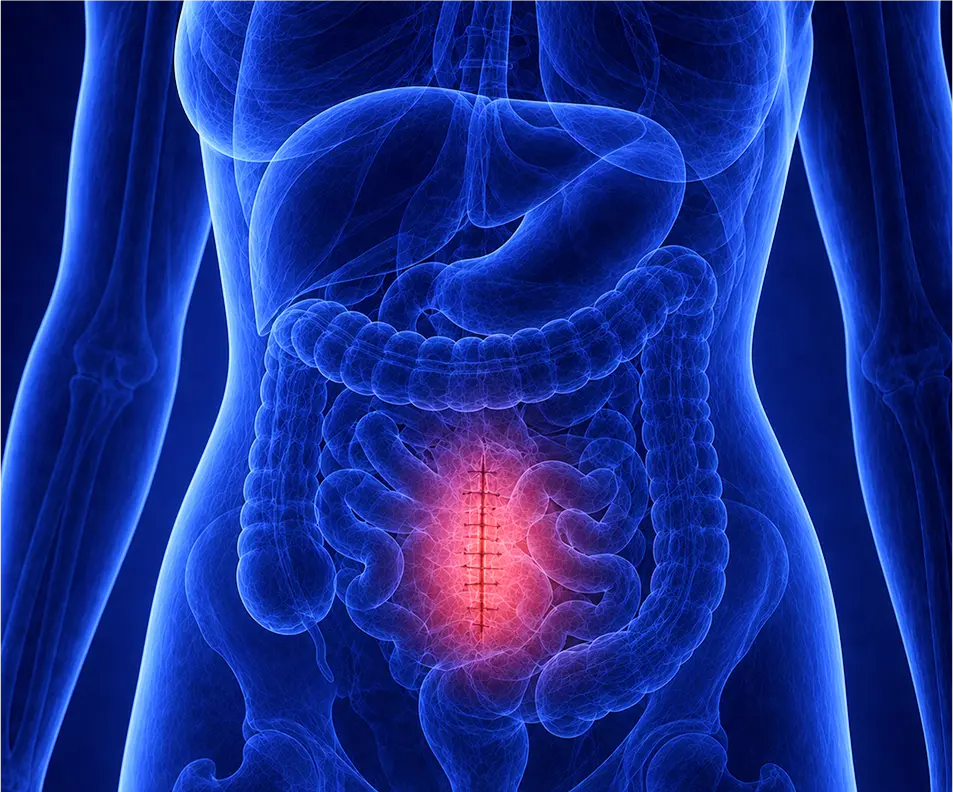
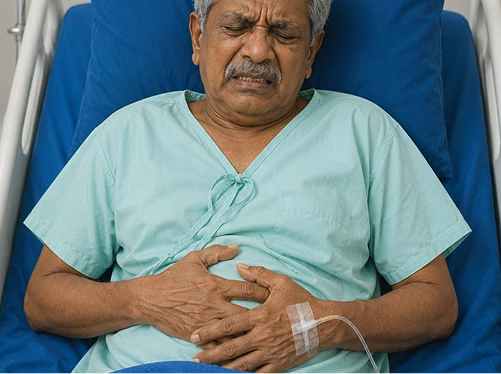
Post surgery abdominal pain refers to persistent or recurring pain in the abdominal region that continues beyond the expected recovery period following a surgical procedure. While some discomfort in the days after surgery is normal, pain that lingers for weeks or months, or that changes in character over time, is not simply part of healing.
What Is Post Surgery Abdominal Pain?

Most post surgery abdominal pain originates from:

  • Nerve damage or irritation during the surgical procedure

  • Scar tissue and adhesions forming around nerves or abdominal structures

  • A distended abdomen after surgery caused by impaired bowel motility or fluid retention

  • Ongoing inflammation at or near the surgical site

  • Nerve entrapment within the abdominal wall, a frequently overlooked cause

  • Myofascial pain arising from disrupted abdominal wall muscles

The nature of the pain often indicates the underlying driver:

  • Burning, tingling, or shooting pain: typically points to nerve involvement or entrapment

  • Dull, persistent aching at the incision site: often related to scar tissue or adhesions

  • Bloating and abdominal distension: may indicate impaired gut motility or fluid accumulation

  • Pain that worsens with movement or posture: commonly associated with adhesions or nerve tethering

Causes

What Are the Causes of Post Surgery Abdominal Pain?

Pain after abdominal surgery can arise from several distinct mechanisms, and in many cases more than one is contributing at the same time. Identifying the specific cause is essential for treatment to be effective.

Common causes include:

  • Surgical nerve injury leading to nerve pain in the abdomen after surgery
  • Adhesion formation pulling on or compressing nearby nerves and abdominal structures
  • Anterior cutaneous nerve entrapment syndrome, a recognised cause of chronic post-surgical abdominal wall pain
  • Postoperative ileus causing a distended abdomen after surgery with bloating and discomfort
  • Abdominal reconstruction surgery resulting in altered muscular anatomy and pain patterns
  • Scar tissue formation compressing or tethering peripheral nerves
  • Inflammation or haematoma at the surgical site extending into surrounding tissue
  • Complex regional pain syndrome developing after abdominal or pelvic surgery in some cases
What Are the Causes of Post Surgery Abdominal Pain?
What Are the Symptoms of Post Surgery Abdominal Pain?

Symptoms

What Are the Symptoms of Post Surgery Abdominal Pain?

Symptoms vary depending on the specific cause and the type of surgery performed. Recognising the pattern helps direct accurate diagnosis and treatment.

Common symptoms include:

  • Persistent stomach pain after surgery that does not follow a typical recovery timeline
  • Burning, stabbing, or sharp pain at or near the incision site
  • Bloating and visible abdominal distension beyond the immediate post-operative period
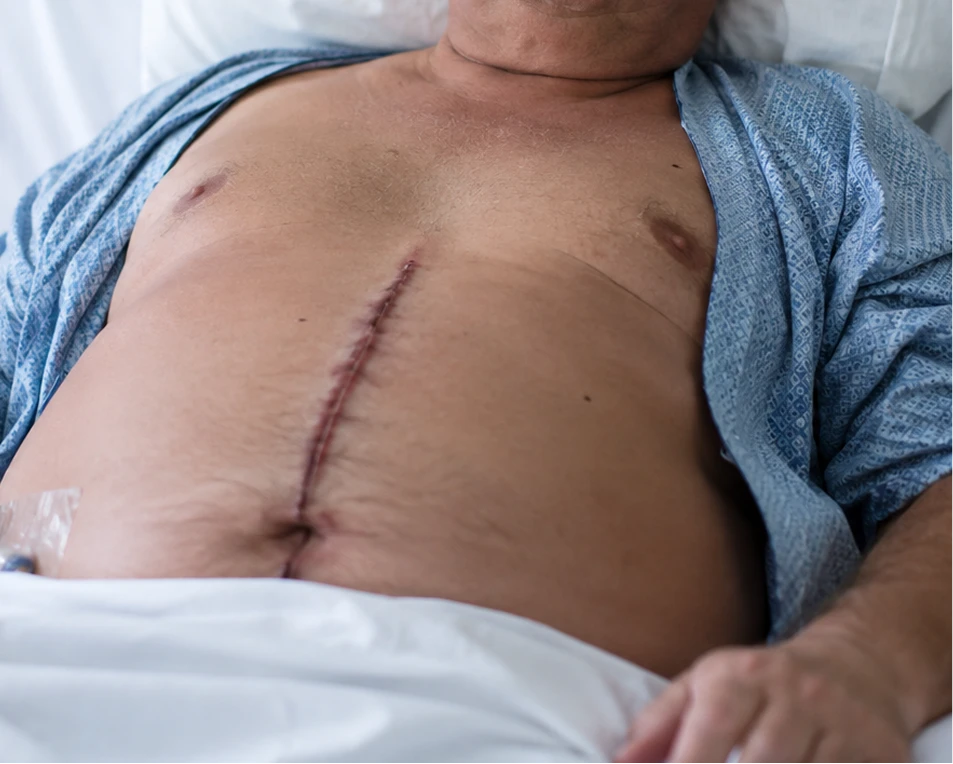
  • Numbness, tingling, or hypersensitivity around the surgical scar
  • Pain that worsens with sitting, bending, or specific movements
  • Cramping or colicky abdominal pain linked to bowel function changes
  • Referred pain extending into the groin, hip, or lower back
  • Pain that was initially controlled but has returned or worsened over time

Treatment

What Are the Treatment Options for Post Surgery Abdominal Pain?

Treatment at Painacea is guided by the specific mechanism identified, not by symptoms alone. The goal is targeted, lasting relief using the least invasive approach appropriate for the cause.

Precision-Guided Interventions

For nerve-related and scar-related post surgery abdominal pain, options include:

  • Radiofrequency ablation to disrupt the pain signals from entrapped or damaged abdominal nerves
  • Cryoablation for nerve pain in the abdomen after surgery where targeted, reversible nerve interruption is appropriate
  • Neuromodulation for persistent abdominal wall or pelvic pain that has not responded to other approaches

Interventional Pain Management

For adhesion-related and soft tissue pain:

  • Image-guided nerve blocks to identify and treat specific entrapped nerves in the abdominal wall
  • Targeted injections to reduce localised inflammation and break the pain cycle at the source

Physiotherapy and Rehabilitation

Across all causes:

  • Structured physiotherapy targeting abdominal wall function and movement patterns
  • Guided rehabilitation following abdomen reconstruction surgery to restore muscular coordination and reduce mechanical pain
  • Progressive return-to-activity planning to support long-term functional recovery

Precision-Guided Interventions

For nerve-related and scar-related post surgery abdominal pain, options include:

  • Radiofrequency ablation to disrupt the pain signals from entrapped or damaged abdominal nerves
  • Cryoablation for nerve pain in the abdomen after surgery where targeted, reversible nerve interruption is appropriate
  • Neuromodulation for persistent abdominal wall or pelvic pain that has not responded to other approaches

Interventional Pain Management

For adhesion-related and soft tissue pain:

  • Image-guided nerve blocks to identify and treat specific entrapped nerves in the abdominal wall
  • Targeted injections to reduce localised inflammation and break the pain cycle at the source

Physiotherapy and Rehabilitation

Across all causes:

  • Structured physiotherapy targeting abdominal wall function and movement patterns
  • Guided rehabilitation following abdomen reconstruction surgery to restore muscular coordination and reduce mechanical pain
  • Progressive return-to-activity planning to support long-term functional recovery
Painacea

Why Choose Us

Why Choose Painacea?

Care is centred on identifying the source of pain and delivering targeted, effective solutions.

  • list icon

    17+ years of experience in pain medicine and anesthesiology

  • list icon

    Specialist in minimally invasive, image-guided interventions

  • list icon

    Strong focus on precise diagnosis before treatment

  • list icon

    Expertise in managing complex spine, nerve, and pain conditions

  • list icon

    International training across USA, Europe, and South Korea

  • list icon

    Academic leadership as Professor and Fellowship Mentor

Book a Specialist Consultation

FAQs

Frequently Asked Questions

Some pain in the days immediately following surgery is expected. Pain that persists beyond a few weeks, changes character, or worsens over time is not a normal part of recovery and should be formally evaluated.

Nerve injury during the procedure, scar tissue compressing nearby nerves, or nerve entrapment within the abdominal wall are the most common causes. This type of pain is often described as burning, tingling, or shooting.

A distended abdomen after surgery can result from impaired bowel motility, gas accumulation, fluid retention, or in some cases ongoing inflammation. Persistent distension that does not settle within the expected timeframe should be assessed.

Most post-operative discomfort settles within a few weeks. Pain lasting beyond six to eight weeks, or pain that returns after initially improving, warrants specialist evaluation to identify the underlying cause.

In most cases, yes. Targeted interventions including nerve blocks, radiofrequency ablation, cryoablation, and neuromodulation can provide meaningful relief without the need for a repeat surgical procedure.

Contact

Considering Further Evaluation for Persistent Pain?

A consultation can help determine appropriate next steps based on your condition.

hello@painacea.in +91 94192 00497

First Floor, Shrikant Chambers - c, 125, B Wing, next to RK Studios, Chembur, Mumbai - 400071

    Get a Precise Diagnosis